
Related Insights
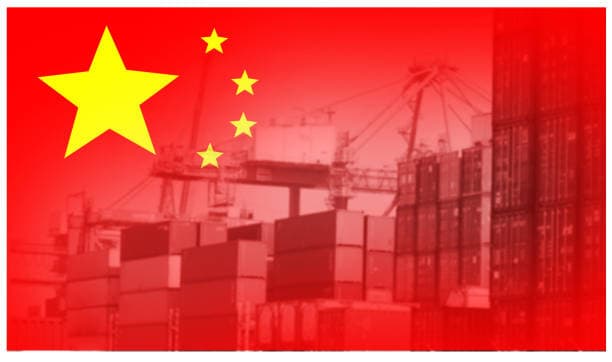
China's 2025 Export Restrictions Still Echo Through 2026 Fertilizer Logistics
China’s early 2025 export curbs are reshaping global fertilizer flows into 2026, forcing shippers to rethink routes, sourcing and inventory. The ripple effects touch every corner of the supply chain, from African farms to European ports.
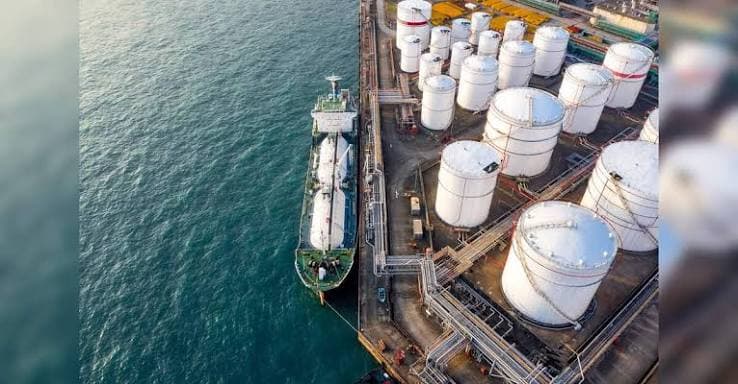
Japan Country Watch: The 46% Naphtha Import Collapse and the Structural Diversification Outcome
Japan's chemical industry enters H2 2026 after overcoming its most severe naphtha supply disruption in decades. The country's rapid diversification of feedstock sourcing may prove to be the most important long-term outcome of the Hormuz crisis, reshaping procurement strategies well beyond the recovery period.

Trade Policy H1 2026 Closing Review: India, EU and US Regulatory Shifts Reshape Chemical Markets
H1 2026 closes with simultaneous trade policy changes across India, the EU and the US. Chemical procurement teams face overlapping tariff, anti-dumping and regulatory fee developments that require structured multi-jurisdiction tracking.

Pharmaceutical Supply Chain: H1 2026 Closing Risk Assessment
The first half of 2026 exposed major vulnerabilities in pharmaceutical supply chains. API concentration, shipping disruptions, and logistics risks are reshaping procurement strategies for H2 2026 and beyond.

Ammonia Export Restart: Bürgenstock Roadmap Positions QAFCO and SABIC for Q3
The Bürgenstock roadmap and recent Hormuz transit data signal a clear path for QAFCO and SABIC to resume ammonia exports in Q3 2026. While force majeure conditions may lift in July, mine clearance delays could postpone full tanker capacity until August. Agricultural and industrial buyers should prepare for an improved but staggered supply outlook.
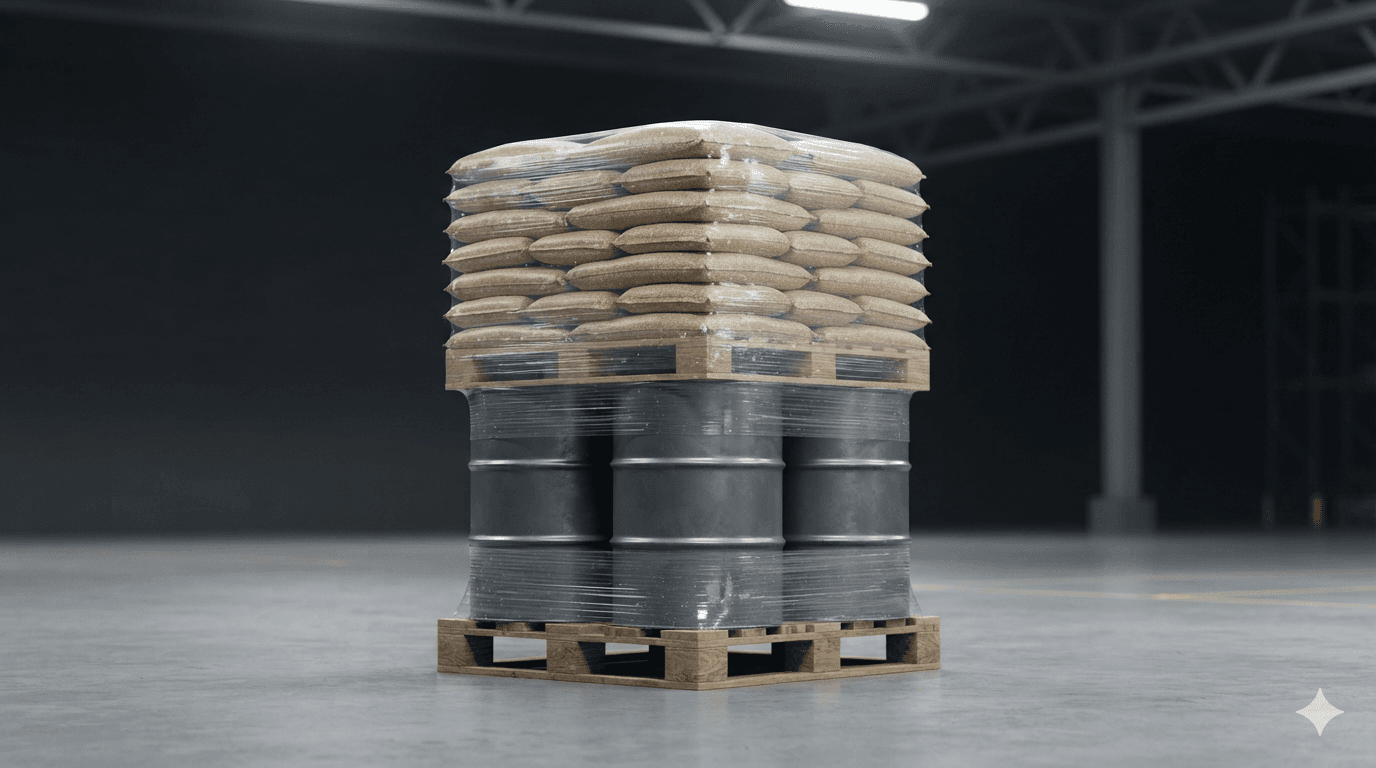
Herbicides, Pesticides, and China Export Restrictions: 2025‑2026 Supply Chain Rewrites
China’s tightening export controls on herbicides, pesticides, and key fertilizer inputs have rattled global agrochemical supply chains. Buyers are diversifying suppliers, boosting inventories, and rethinking procurement strategies. The shift is reshaping the industry’s risk profile and trade patterns.
Don't miss out on our updates! Subscribe to our newsletter now
We're committed to your privacy. Tradeasia uses the information you provide to us to contact you about our relevant content, products, and services. For more information, check out our privacy policy.