Introduction
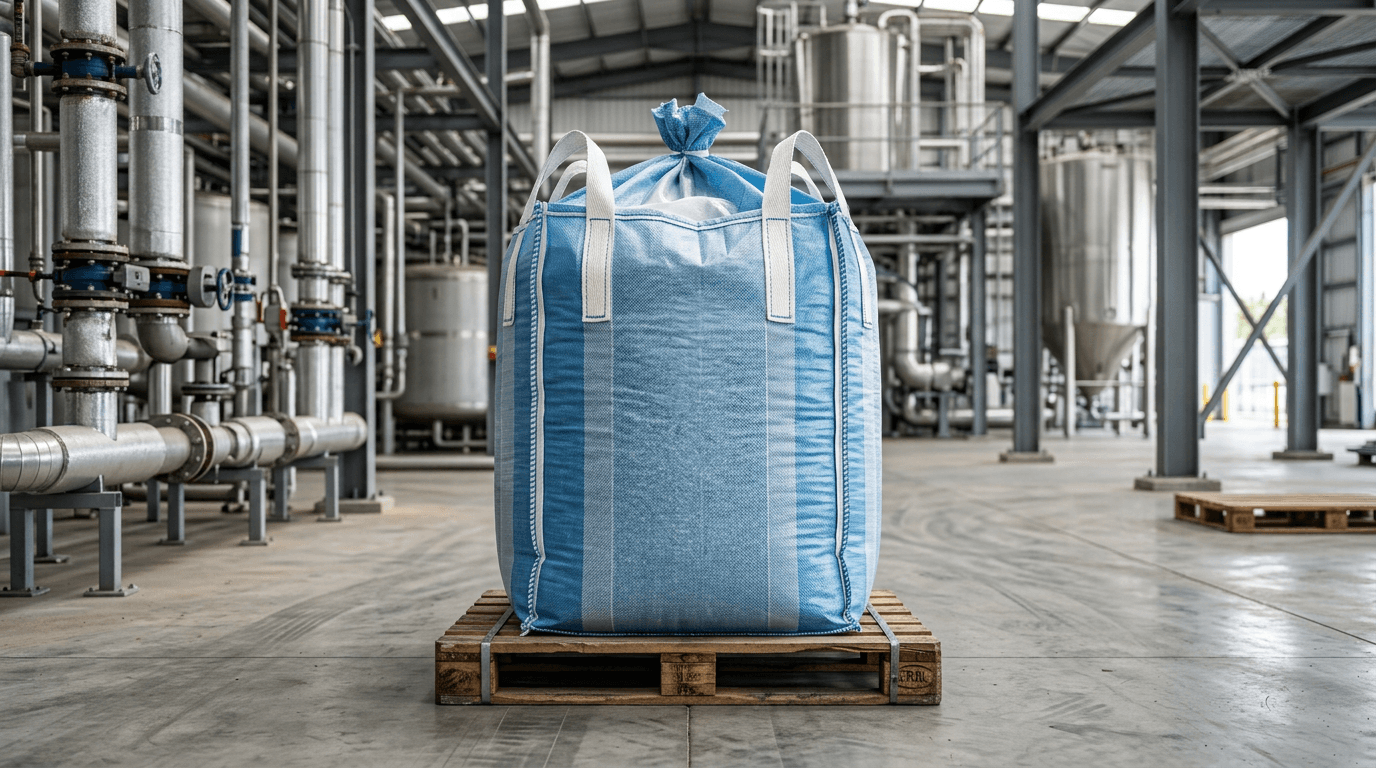
Ascorbic acid, also known as vitamin C, remains a cornerstone ingredient in food, beverage, pharmaceutical, and cosmetic sectors. While the global market size is projected to grow to $6.2 bn by 2026, the supply chain dynamics are shifting. China continues to dominate production, but logistics costs and regulatory compliance are now significant cost drivers.
China’s Production Dominance
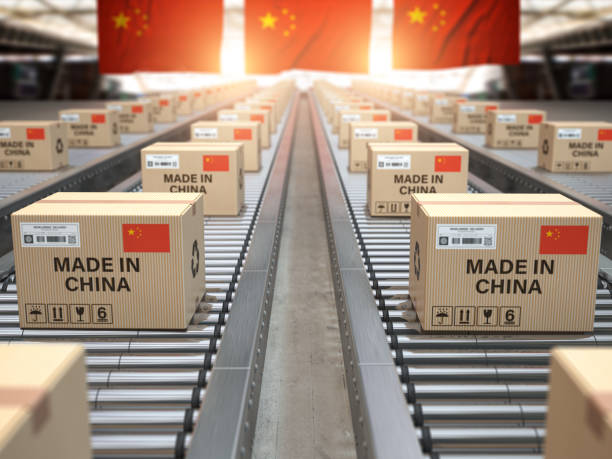
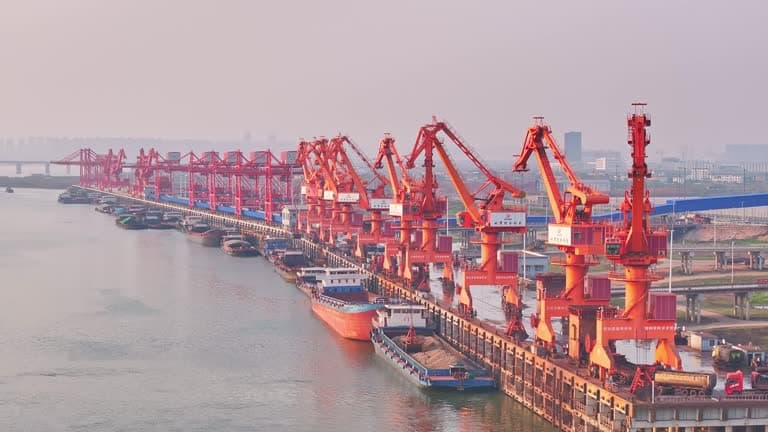
China accounts for roughly 70 % of global ascorbic acid manufacturing. This concentration stems from mature catalytic processes, low feedstock costs, and a well‑established export infrastructure. Key Chinese suppliers—such as China National Chemical Corp, Shandong E-Tek, and Jiangsu Chemical—have expanded capacity by 12 % annually over the last five years.
Production Capacity and Capacity Utilisation
Current annual output exceeds 1.2 million tonnes, with a capacity utilisation rate of 85 %. Capacity upgrades are planned to meet rising demand, especially in the food & beverage sector where vitamin C is used as an antioxidant and pH regulator.
Freight Cost Inflation

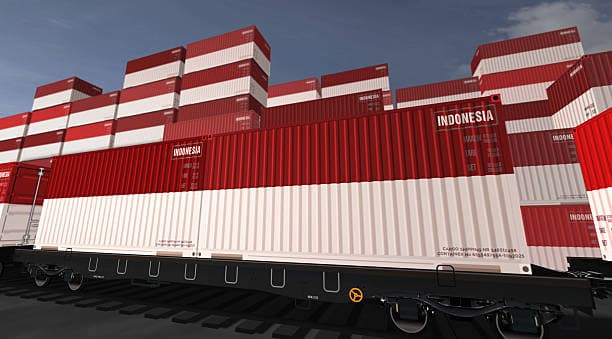
Freight cost is the largest variable in the ascorbic acid supply chain. Shipping from China to the EU and the Americas has seen a 35 % increase in freight rates since 2023, driven by:
Container shortages and port congestion
Increased fuel prices
Tariff uncertainties and trade tensions
These premiums translate directly into higher spot prices. For example, the price of a 20‑foot container of ascorbic acid rose from $8,500 in early 2023 to $12,000 by mid‑2024.
Impact on Procurement Budgets
Companies now face a 15 % rise in logistics expenses, forcing them to reassess their cost‑control strategies. Many are exploring just‑in‑time inventory models or local sourcing in Southeast Asia to reduce exposure.
ICS2 Compliance Risks
The EU’s Informed Consent and Safety (ICS2) framework, effective from 2025, imposes stricter traceability and safety data requirements on food ingredients, including ascorbic acid. Non‑compliance could lead to product recalls or market bans.
Key Compliance Requirements
Detailed batch traceability from feedstock to final product.
Submission of safety data sheets (SDS) in the EU language.
Regular third‑party audits every 18 months.
Chinese suppliers are investing in digital traceability platforms to meet these demands, but the transition period may strain smaller manufacturers.
Strategic Procurement Approaches
To navigate the evolving landscape, buyers should consider the following strategies:
Supplier Diversification – Identify alternative suppliers in India, Thailand, and Vietnam, which offer competitive pricing with lower freight costs to the Americas.
Long‑Term Contracts – Lock in freight rates and production volumes through multi‑year agreements to hedge against market volatility.
Local Production – Evaluate the feasibility of establishing regional manufacturing or partnering with local distributors to reduce shipping distances.
Digital Traceability – Integrate blockchain or other immutable record‑keeping systems to satisfy ICs2 requirements and reduce audit cycles.
Case Study: A Mid‑Size Beverage Company
XYZ Beverages, based in the US, reduced its ascorbic acid cost by 12 % in 2025 by:
Shifting 30 % of purchases to an Indian supplier with lower freight rates.
Implementing a near‑shoring strategy that moved storage to a warehouse in Mexico.
Adopting a cloud‑based traceability platform that streamlined ICs2 reporting.
Future Outlook 2026 and Beyond
By 2026, the ascorbic acid market will see:
A 5 % increase in global demand, driven by health‑conscious consumer trends.
Continued dominance of Chinese suppliers, but with a growing share of Southeast Asian producers.
Stabilisation of freight costs as container capacity normalises.
Full implementation of ICs2, leading to higher compliance costs but also improved market access.
Companies that proactively adapt their procurement strategies—by diversifying suppliers, securing long‑term freight agreements, and embracing digital traceability—will be best positioned to thrive in this dynamic environment.
Ascorbic Acid CAS: 50-81-7