Polyethylene Terephthalate (PET) CAS: 25038-59-9
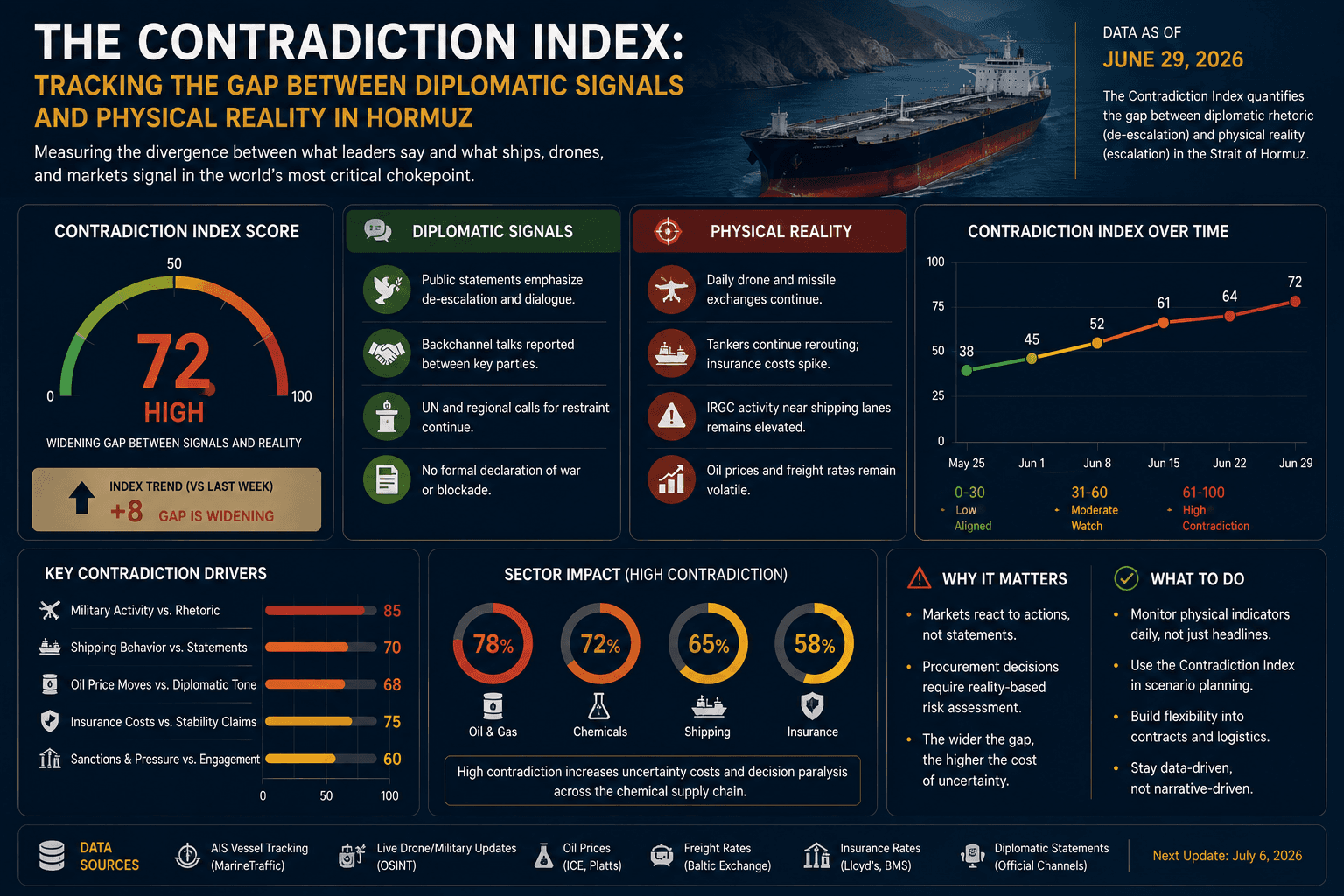
July 1 reveals the biggest contradiction of the Hormuz crisis so far: diplomacy suggests progress, but physical shipping data shows continued disruption. For chemical procurement professionals, understanding the gap between political signals and operational reality has become essential for making correct supply chain decisions.

India’s duty waiver on liquid glucose and dextrose, set to expire on June 30, 2026, is reshaping procurement plans for food ingredient buyers. Sudden tariff hikes could push prices up and force companies to rethink their Q3 sourcing strategies.
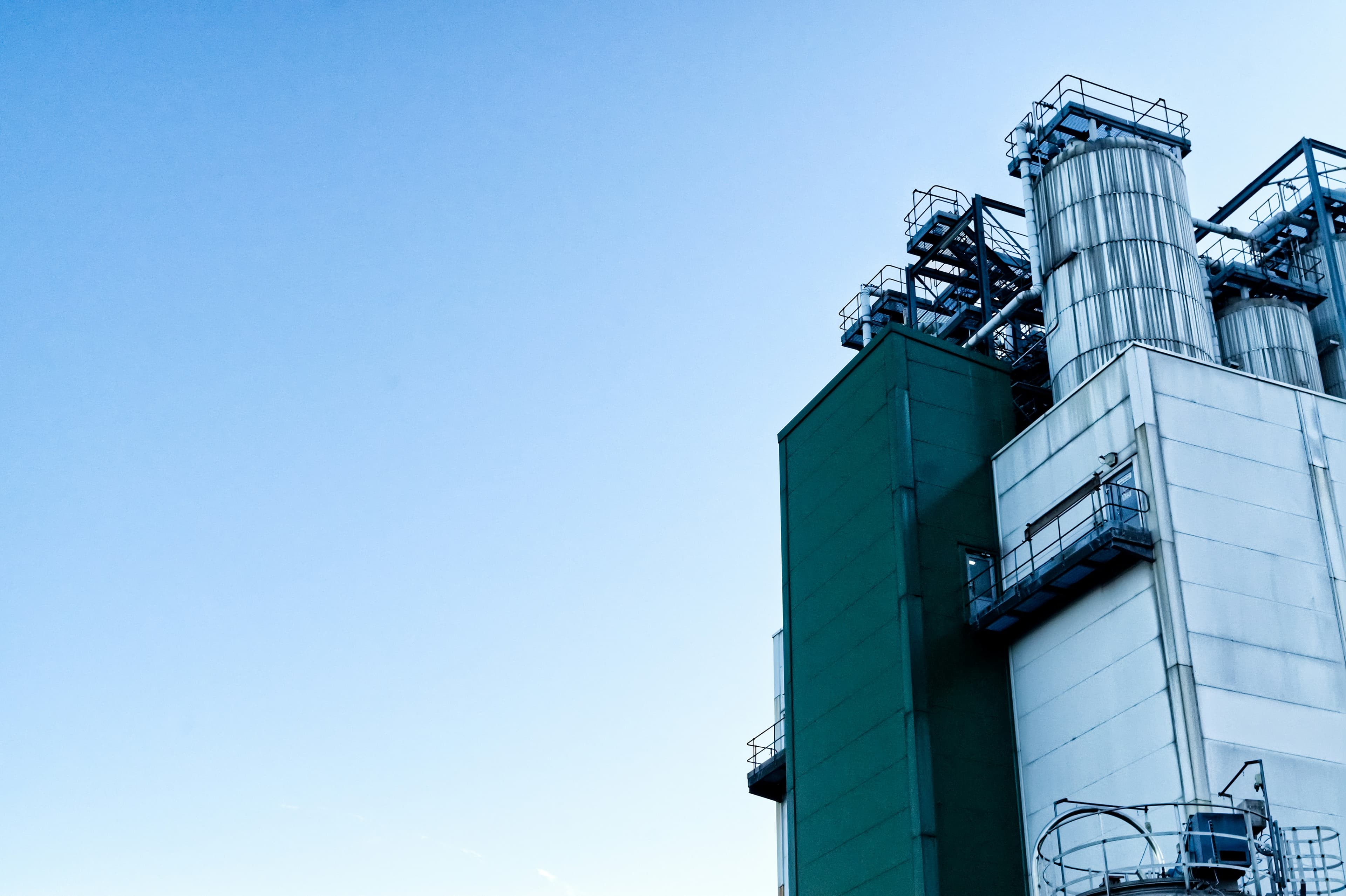
The 2026 Iran War and Hormuz disruption has fundamentally reshaped competitive positioning among the world's top petrochemical companies.
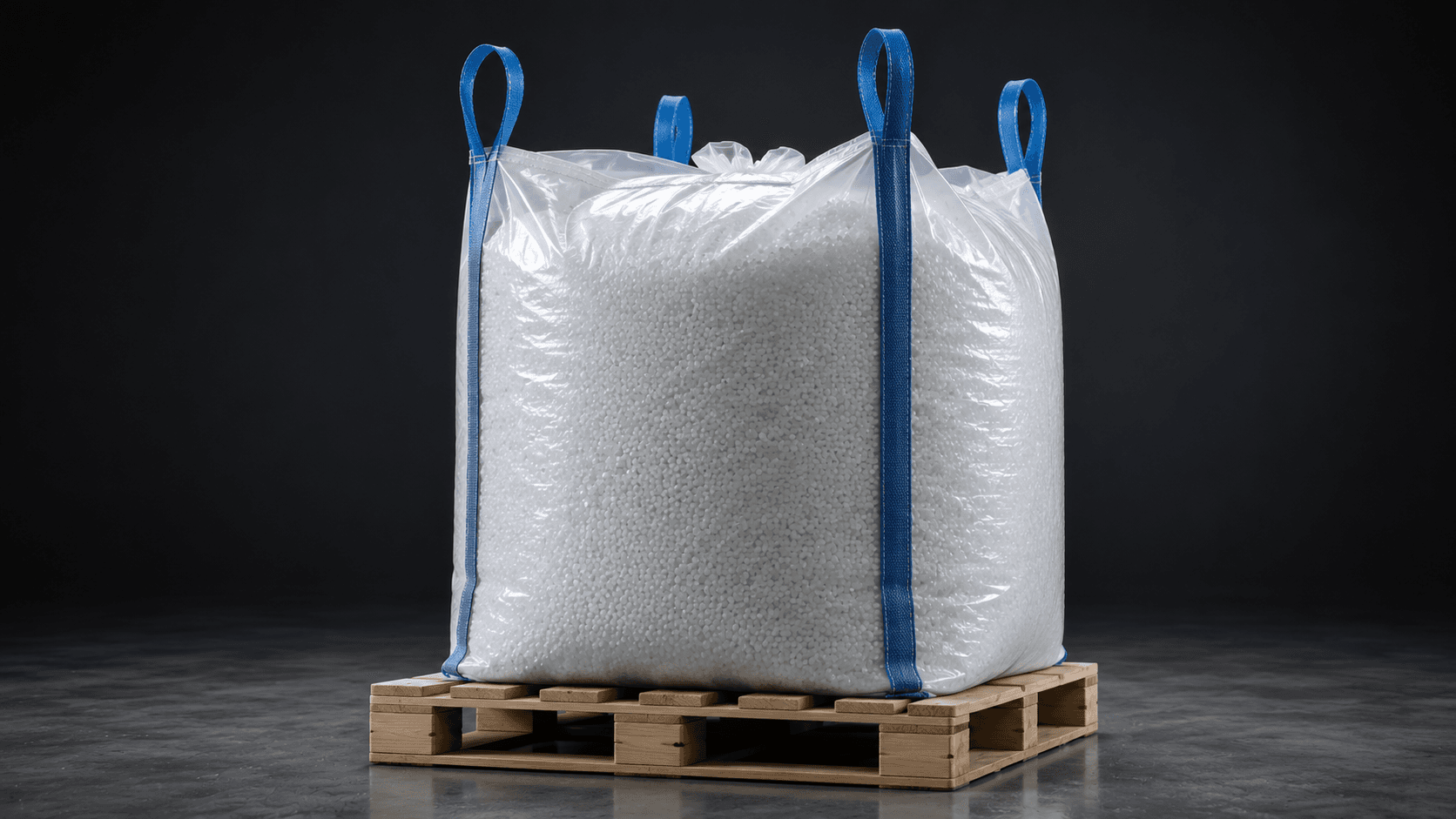
Polyethylene prices have surged to their highest level in four years as supply disruptions reshape global trade flows. Procurement teams are reassessing sourcing strategies across China, the Gulf region and the United States as logistics costs and supply risks continue to evolve.
The Hormuz conflict has delayed major green ammonia projects in the UAE, Saudi Arabia, and Oman, forcing global energy markets to reassess hydrogen export timelines. The pace of Gulf recovery will heavily influence green ammonia growth between 2026 and 2030.
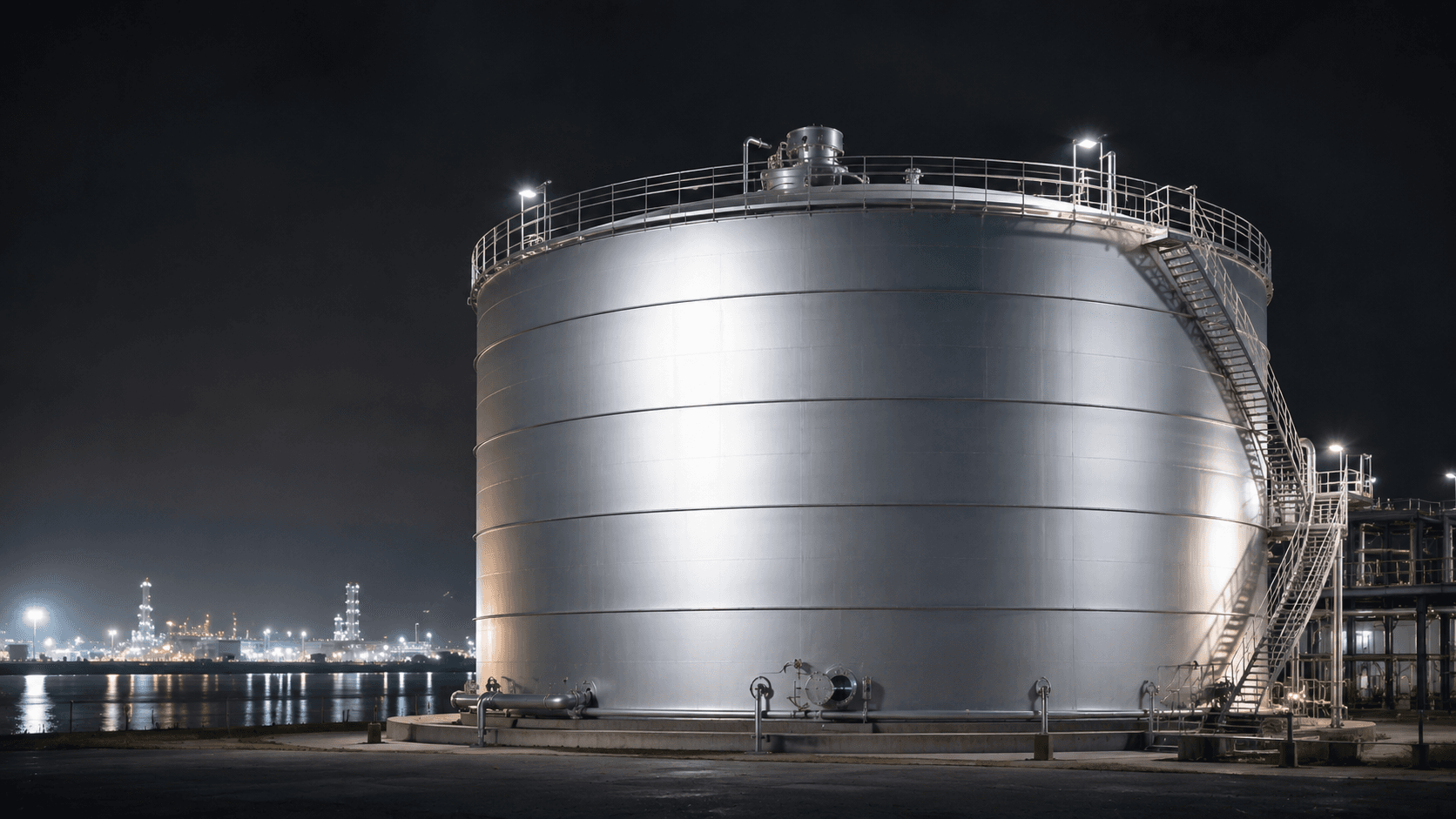
Naphtha markets remain under pressure as Japan relies on strategic reserves and South Korean producers declare force majeure across downstream contracts. Procurement teams across plastics and fibers face difficult sourcing decisions while waiting for post-ceasefire supply normalization.
We're committed to your privacy. Tradeasia uses the information you provide to us to contact you about our relevant content, products, and services. For more information, check out our privacy policy.