Related Insights
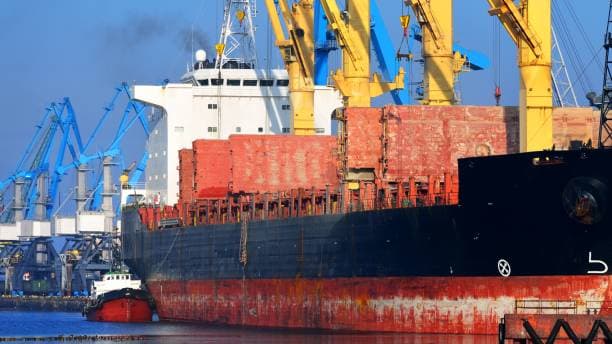
Trump Cuts 20% Hormuz Toll, A Rare De‑Escalation Amid Global Turbulence
In a surprising shift, President Trump has announced the removal of a proposed 20% toll on ships transiting the Strait of Hormuz. The decision offers temporary relief to shipping companies but is set against a backdrop of heightened geopolitical tensions. Maritime analysts examine how this change could reshape freight costs and chemical logistics for the next quarter.
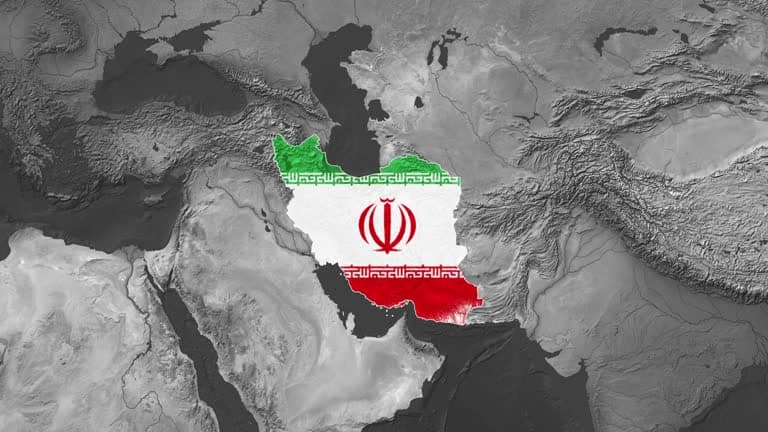
Iran's Hormuz Service Fees: A New Cost Layer for Gulf Chemical Trade
Iran’s proposed Hormuz transit fees could add $500–750 million annually to global chemical trade costs, creating a permanent landed‑cost increase for Gulf‑origin chemicals. This article analyzes the fee structure, its impact on petrochemical freight risk, and strategies for 2026 chemical procurement.

Global Chemical Trade Logistics H1 2026 Closing Report: Structural Reset and H2 Outlook
H1 2026 closes with a 15 to 20 percent contraction in peak chemical seaborne trade, elevated insurance costs and permanent routing shifts. This report outlines how logistics structures are resetting across global chemical supply chains and what H2 2026 will look like.
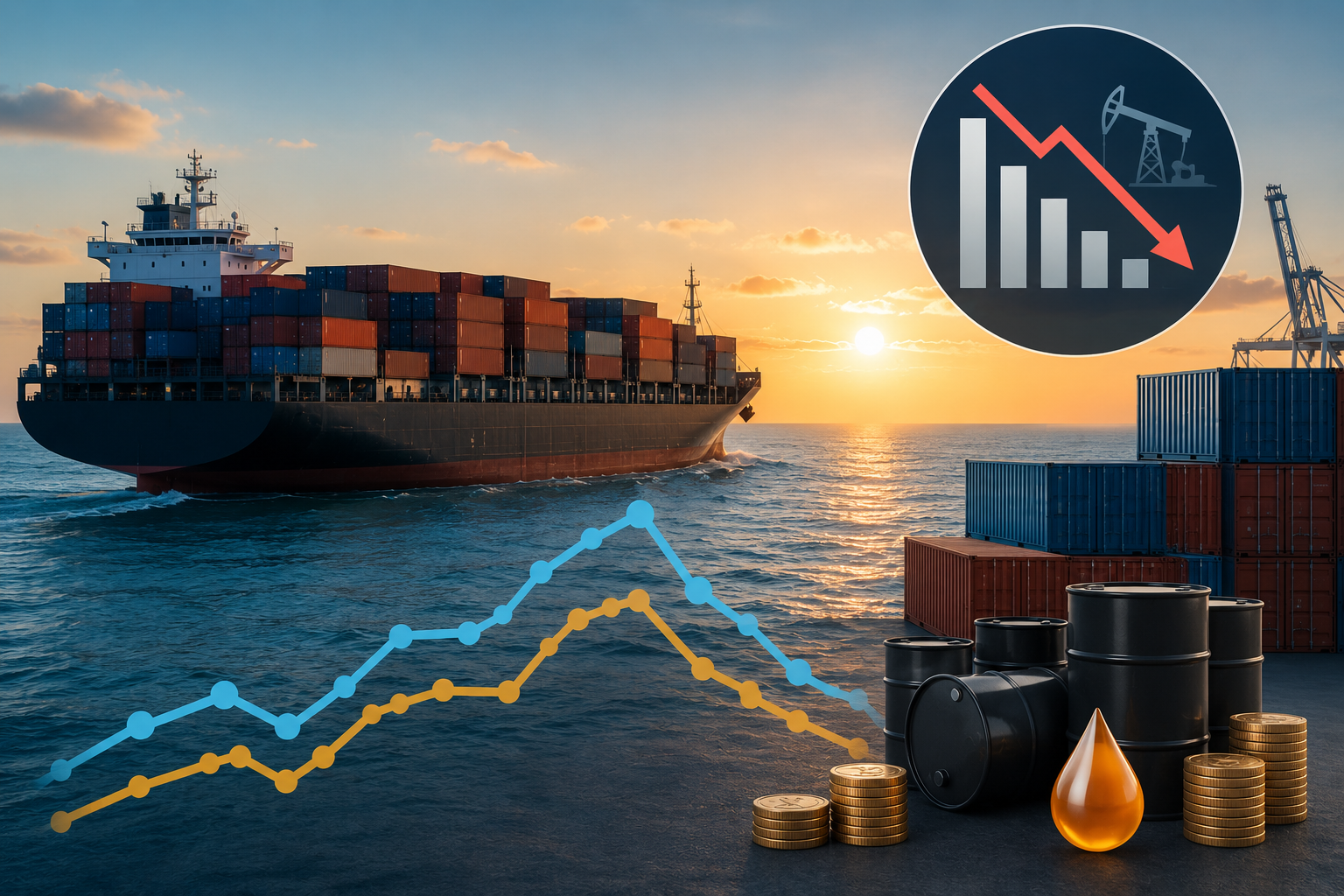
Soda Ash Freight Costs Fall as Lower Brent Prices Open New Buying Opportunities
Falling Brent crude prices are reducing shipping cost pressure across global soda ash trade routes. This analysis explains how lower bunker fuel costs could improve contract negotiations for glass, detergent and water treatment buyers.
Food Ingredient Freight Costs: Brent Below $80 Signals First Bunker Cost Relief Since February
Falling crude oil prices are creating the first meaningful opportunity for lower food ingredient freight costs since February 2026. Buyers sourcing from China, Southeast Asia and India should begin freight-linked pricing discussions now before carriers adjust bunker surcharge
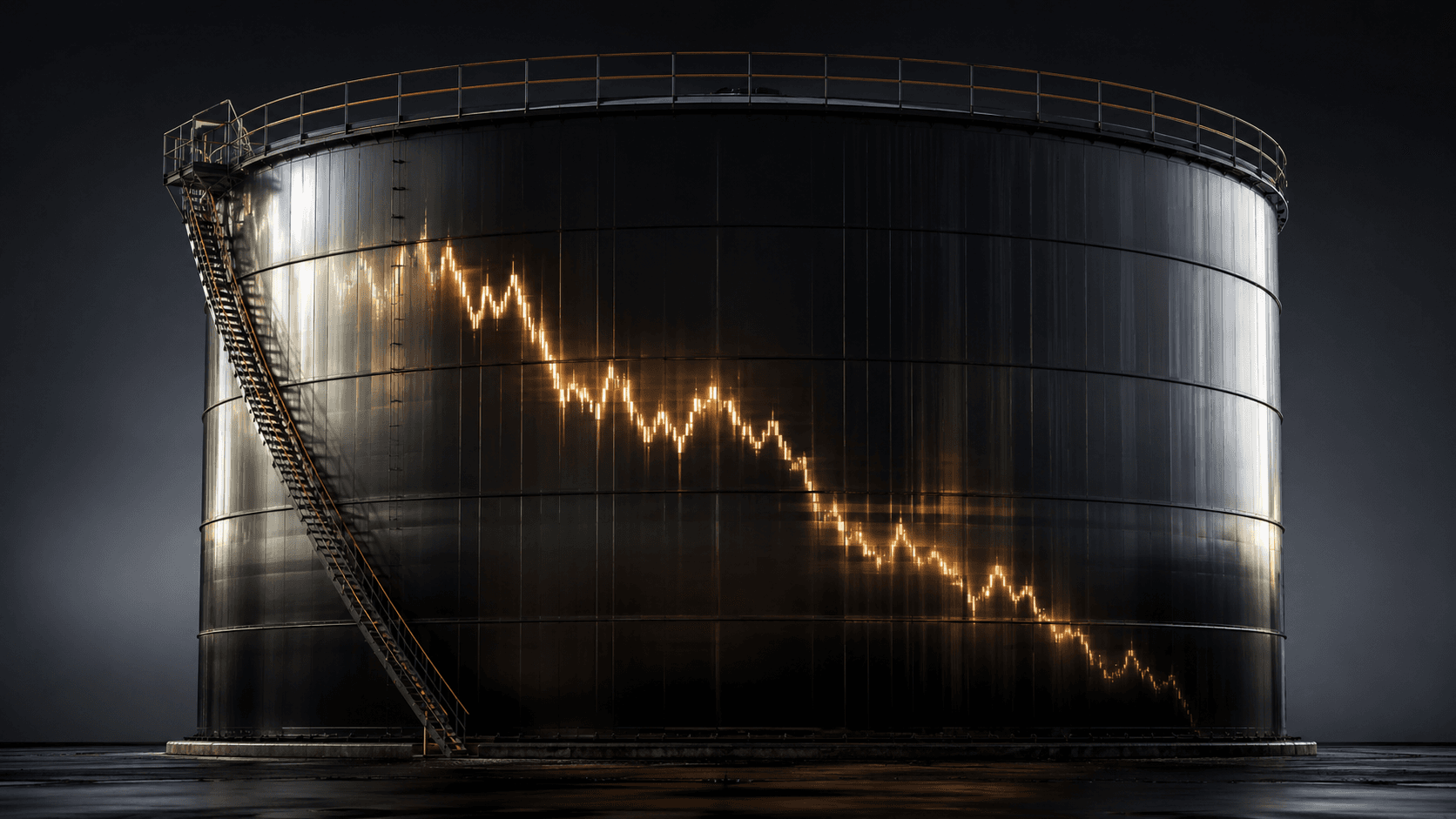
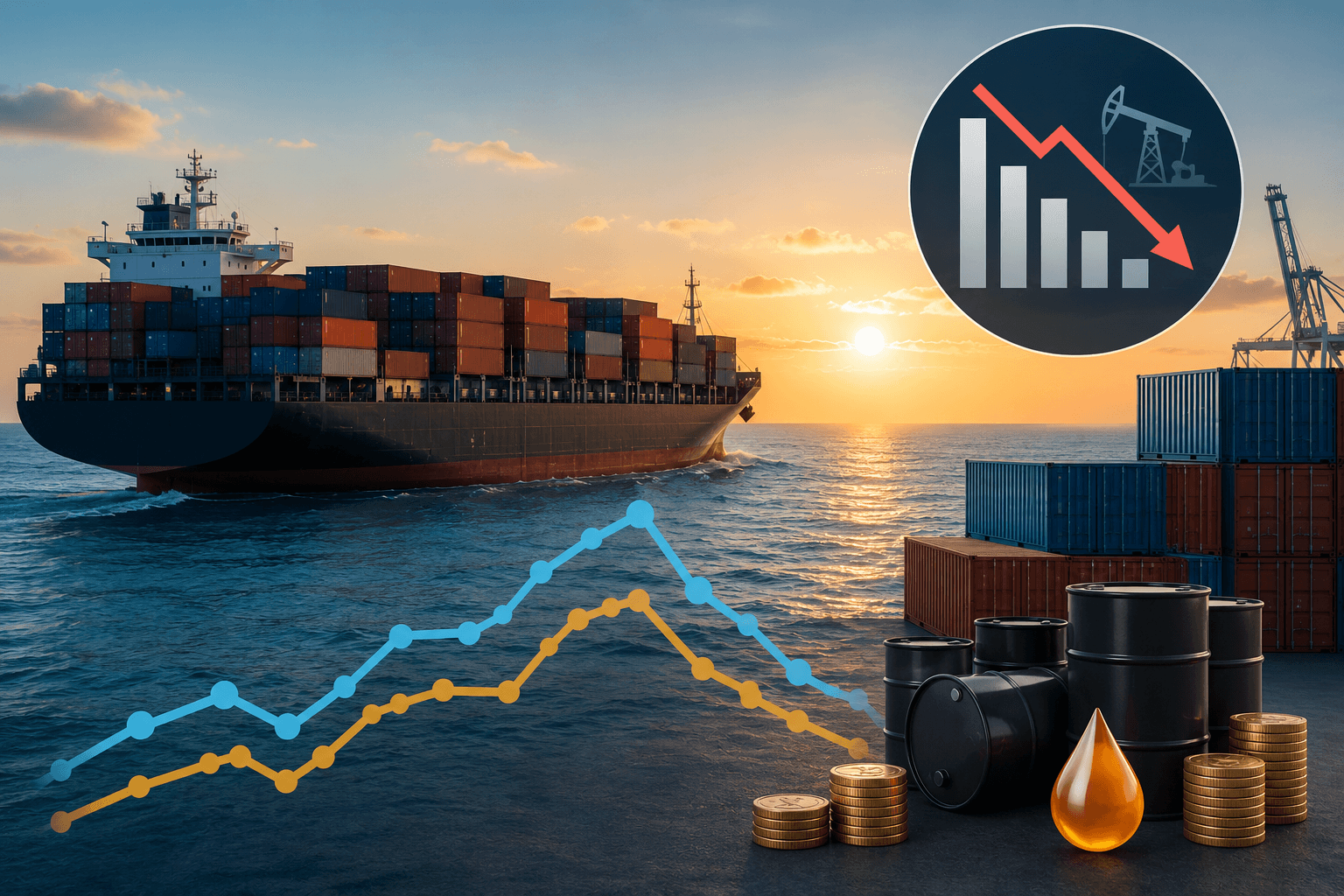
Brent Below $80: What the Crude Price Collapse Means for Chemical Feedstock Costs in Late June 2026
Brent crude has fallen below $80 per barrel after a dramatic correction from May highs, reshaping cost expectations across petrochemical value chains. Lower feedstock costs offer relief for producers and buyers, but elevated freight rates continue to complicate procurement decisions heading into Q3 2026.
Don't miss out on our updates! Subscribe to our newsletter now
We're committed to your privacy. Tradeasia uses the information you provide to us to contact you about our relevant content, products, and services. For more information, check out our privacy policy.