
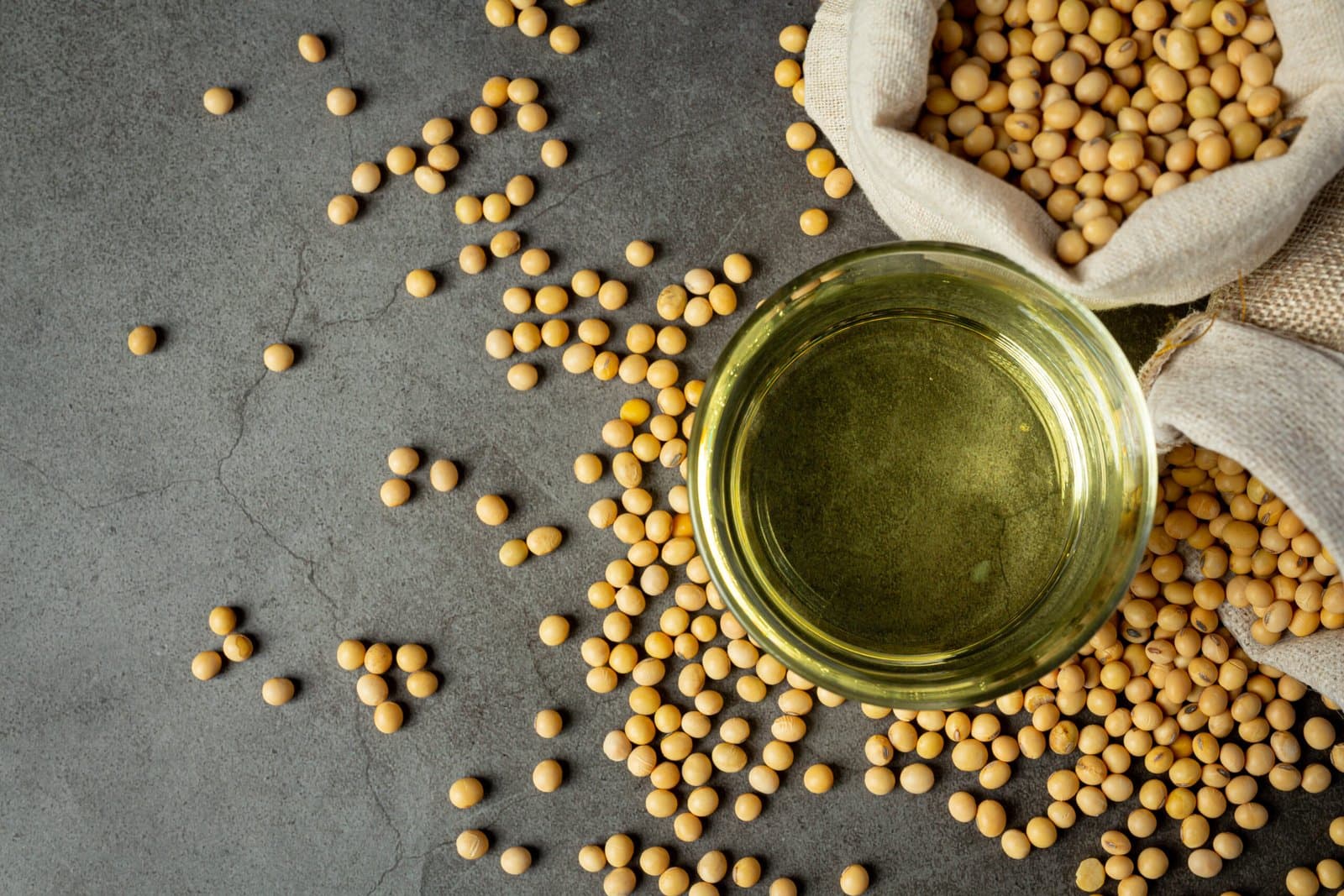
 As sustainability gains more significance in our daily lives, it now encompasses not only our own activities but also the supply chains and the things we use. Soya lecithin is one component that has a big impact on several sectors.
Soya lecithin, a versatile and frequently used component, is derived from soybeans and is used in a wide range of goods, including food, cosmetics, and medications.
Supporting sustainable soy lecithin in supply chains is becoming more important as people become more conscious of its effects on the environment and society. We can help create a future that is more ecologically friendly and sustainable by realizing the importance of ethical sourcing and making responsible decisions.
Understanding Sustainable Soya Lecithin
Sustainable soya lecithin is a variant of this versatile ingredient that is produced in an environmentally and socially responsible manner. It covers a range of factors, from the location of the soybeans to the production procedures used, that contribute to its sustainability.
Responsible farming techniques are used to produce sustainable soya lecithin, such as employing non-genetically modified soybeans, minimizing the use of pesticides and fertilizers, and fostering soil health. These methods prioritize the health of local populations and ecosystems while minimizing their negative effects on the environment.
Sustainable soy lecithin production includes efficient extraction techniques that reduce waste and energy usage in addition to ethical farming. This guarantees a procedure that is more resource- and sustainably-efficient. Additionally, by assuring adherence to particular environmental and social standards, certifications and standards like the Round Table on Responsible Soy (RTRS) accreditation assist in confirming the sustainability of soya lecithin.
Benefits of Supporting Sustainable Soya Lecithin
Opting for sustainable soy lecithin has a number of important advantages. First off, it promotes ethical agricultural methods that lessen the use of dangerous pesticides and improve soil health, which contributes to environmental protection. Sustainable sourcing is prioritized, which helps to protect natural habitats and biodiversity.
Second, promoting environmentally friendly soy lecithin benefits society. Fair work practices are ensured, local communities are strengthened, and small-scale farmers are aided. We can improve the lives of those involved in the manufacturing of soy lecithin by promoting ethical and inclusive supply chains.
Furthermore, sustainable soy lecithin improves the quality and security of goods. It goes through demanding certification processes and abides by stringent guidelines, ensuring a better level of quality control and traceability across the supply chain. Consumers benefit from safer and more dependable products as a result of our dedication to sustainability.
Sustainable Soya Lecithin in Supply Chains
There are many benefits to including sustainable soy lecithin in supply chains. It indicates a dedication to environmental stewardship and supports the broad sustainability objectives of industries. Companies may improve their brand identity, draw in ecologically concerned customers, and satisfy the rising demand for sustainable products by integrating sustainable soya lecithin. Additionally, including sustainable soy lecithin into supply chains inspires other stakeholders to follow suit, having a beneficial ripple effect on the sector as a whole.
Supply chains for sustainable soy lecithin must be transparent and collaborative. All parties involved, including soybean producers, manufacturers, retailers, and customers, must work closely together. Supply chain partners can share best practices, exchange ideas, and create cutting-edge solutions to improve sustainability by cooperating. To ensure ethical sourcing and production, transparency is essential. The entire supply chain may be tracked and confirmed through traceability systems, certifications, and audits, giving customers confidence that sustainable soy lecithin is actually being used in goods. Emphasizing transparency and collaboration encourages group efforts to build a more sustainable future.
Consumer Role in Supporting Sustainable Soya Lecithin
Demand for sustainable goods, such as soy lecithin, is mostly driven by consumers. Consumers can actively encourage the usage of soy lecithin from sustainably derived sources and assist a greener supply chain by making educated purchasing decisions. Searching for goods with eco-labels or sustainable certifications, which denote the use of ethical sourcing methods, is one-way customers might do this.
By voting with their wallets, consumers send a clear message to manufacturers and retailers that sustainability matters. More businesses are being prompted to add sustainable soy lecithin to their products as a result of rising consumer demand, which also encourages the sector to embrace more environmentally friendly procedures. In the end, consumer decisions can influence progress and contribute to a future that is more sustainable.
Conclusion
Supporting sustainable soy lecithin is not simply an ethical choice; it is a conscious choice to help create a future that is more socially and environmentally sensitive. We can make decisions that are consistent with our beliefs if we have a thorough awareness of the advantages of sustainable sourcing, ethical farming methods, and transparent supply chains.
Purchasing items made with sustainable soy lecithin not only helps the environment and local people, but it also guarantees better product quality and safety. To develop a more sustainable and moral marketplace, consumers, industry, and supply chain partners are working together.
Image by jcomp via https://www.freepik.com/
As sustainability gains more significance in our daily lives, it now encompasses not only our own activities but also the supply chains and the things we use. Soya lecithin is one component that has a big impact on several sectors.
Soya lecithin, a versatile and frequently used component, is derived from soybeans and is used in a wide range of goods, including food, cosmetics, and medications.
Supporting sustainable soy lecithin in supply chains is becoming more important as people become more conscious of its effects on the environment and society. We can help create a future that is more ecologically friendly and sustainable by realizing the importance of ethical sourcing and making responsible decisions.
Understanding Sustainable Soya Lecithin
Sustainable soya lecithin is a variant of this versatile ingredient that is produced in an environmentally and socially responsible manner. It covers a range of factors, from the location of the soybeans to the production procedures used, that contribute to its sustainability.
Responsible farming techniques are used to produce sustainable soya lecithin, such as employing non-genetically modified soybeans, minimizing the use of pesticides and fertilizers, and fostering soil health. These methods prioritize the health of local populations and ecosystems while minimizing their negative effects on the environment.
Sustainable soy lecithin production includes efficient extraction techniques that reduce waste and energy usage in addition to ethical farming. This guarantees a procedure that is more resource- and sustainably-efficient. Additionally, by assuring adherence to particular environmental and social standards, certifications and standards like the Round Table on Responsible Soy (RTRS) accreditation assist in confirming the sustainability of soya lecithin.
Benefits of Supporting Sustainable Soya Lecithin
Opting for sustainable soy lecithin has a number of important advantages. First off, it promotes ethical agricultural methods that lessen the use of dangerous pesticides and improve soil health, which contributes to environmental protection. Sustainable sourcing is prioritized, which helps to protect natural habitats and biodiversity.
Second, promoting environmentally friendly soy lecithin benefits society. Fair work practices are ensured, local communities are strengthened, and small-scale farmers are aided. We can improve the lives of those involved in the manufacturing of soy lecithin by promoting ethical and inclusive supply chains.
Furthermore, sustainable soy lecithin improves the quality and security of goods. It goes through demanding certification processes and abides by stringent guidelines, ensuring a better level of quality control and traceability across the supply chain. Consumers benefit from safer and more dependable products as a result of our dedication to sustainability.
Sustainable Soya Lecithin in Supply Chains
There are many benefits to including sustainable soy lecithin in supply chains. It indicates a dedication to environmental stewardship and supports the broad sustainability objectives of industries. Companies may improve their brand identity, draw in ecologically concerned customers, and satisfy the rising demand for sustainable products by integrating sustainable soya lecithin. Additionally, including sustainable soy lecithin into supply chains inspires other stakeholders to follow suit, having a beneficial ripple effect on the sector as a whole.
Supply chains for sustainable soy lecithin must be transparent and collaborative. All parties involved, including soybean producers, manufacturers, retailers, and customers, must work closely together. Supply chain partners can share best practices, exchange ideas, and create cutting-edge solutions to improve sustainability by cooperating. To ensure ethical sourcing and production, transparency is essential. The entire supply chain may be tracked and confirmed through traceability systems, certifications, and audits, giving customers confidence that sustainable soy lecithin is actually being used in goods. Emphasizing transparency and collaboration encourages group efforts to build a more sustainable future.
Consumer Role in Supporting Sustainable Soya Lecithin
Demand for sustainable goods, such as soy lecithin, is mostly driven by consumers. Consumers can actively encourage the usage of soy lecithin from sustainably derived sources and assist a greener supply chain by making educated purchasing decisions. Searching for goods with eco-labels or sustainable certifications, which denote the use of ethical sourcing methods, is one-way customers might do this.
By voting with their wallets, consumers send a clear message to manufacturers and retailers that sustainability matters. More businesses are being prompted to add sustainable soy lecithin to their products as a result of rising consumer demand, which also encourages the sector to embrace more environmentally friendly procedures. In the end, consumer decisions can influence progress and contribute to a future that is more sustainable.
Conclusion
Supporting sustainable soy lecithin is not simply an ethical choice; it is a conscious choice to help create a future that is more socially and environmentally sensitive. We can make decisions that are consistent with our beliefs if we have a thorough awareness of the advantages of sustainable sourcing, ethical farming methods, and transparent supply chains.
Purchasing items made with sustainable soy lecithin not only helps the environment and local people, but it also guarantees better product quality and safety. To develop a more sustainable and moral marketplace, consumers, industry, and supply chain partners are working together.
Image by jcomp via https://www.freepik.com/Eco-Conscious Choices: Supporting Sustainable Soya Lecithin in Supply Chains
 As sustainability gains more significance in our daily lives, it now encompasses not only our own activities but also the supply chains and the things we use. Soya lecithin is one component that has a big impact on several sectors.
Soya lecithin, a versatile and frequently used component, is derived from soybeans and is used in a wide range of goods, including food, cosmetics, and medications.
Supporting sustainable soy lecithin in supply chains is becoming more important as people become more conscious of its effects on the environment and society. We can help create a future that is more ecologically friendly and sustainable by realizing the importance of ethical sourcing and making responsible decisions.
Understanding Sustainable Soya Lecithin
Sustainable soya lecithin is a variant of this versatile ingredient that is produced in an environmentally and socially responsible manner. It covers a range of factors, from the location of the soybeans to the production procedures used, that contribute to its sustainability.
Responsible farming techniques are used to produce sustainable soya lecithin, such as employing non-genetically modified soybeans, minimizing the use of pesticides and fertilizers, and fostering soil health. These methods prioritize the health of local populations and ecosystems while minimizing their negative effects on the environment.
Sustainable soy lecithin production includes efficient extraction techniques that reduce waste and energy usage in addition to ethical farming. This guarantees a procedure that is more resource- and sustainably-efficient. Additionally, by assuring adherence to particular environmental and social standards, certifications and standards like the Round Table on Responsible Soy (RTRS) accreditation assist in confirming the sustainability of soya lecithin.
Benefits of Supporting Sustainable Soya Lecithin
Opting for sustainable soy lecithin has a number of important advantages. First off, it promotes ethical agricultural methods that lessen the use of dangerous pesticides and improve soil health, which contributes to environmental protection. Sustainable sourcing is prioritized, which helps to protect natural habitats and biodiversity.
Second, promoting environmentally friendly soy lecithin benefits society. Fair work practices are ensured, local communities are strengthened, and small-scale farmers are aided. We can improve the lives of those involved in the manufacturing of soy lecithin by promoting ethical and inclusive supply chains.
Furthermore, sustainable soy lecithin improves the quality and security of goods. It goes through demanding certification processes and abides by stringent guidelines, ensuring a better level of quality control and traceability across the supply chain. Consumers benefit from safer and more dependable products as a result of our dedication to sustainability.
Sustainable Soya Lecithin in Supply Chains
There are many benefits to including sustainable soy lecithin in supply chains. It indicates a dedication to environmental stewardship and supports the broad sustainability objectives of industries. Companies may improve their brand identity, draw in ecologically concerned customers, and satisfy the rising demand for sustainable products by integrating sustainable soya lecithin. Additionally, including sustainable soy lecithin into supply chains inspires other stakeholders to follow suit, having a beneficial ripple effect on the sector as a whole.
Supply chains for sustainable soy lecithin must be transparent and collaborative. All parties involved, including soybean producers, manufacturers, retailers, and customers, must work closely together. Supply chain partners can share best practices, exchange ideas, and create cutting-edge solutions to improve sustainability by cooperating. To ensure ethical sourcing and production, transparency is essential. The entire supply chain may be tracked and confirmed through traceability systems, certifications, and audits, giving customers confidence that sustainable soy lecithin is actually being used in goods. Emphasizing transparency and collaboration encourages group efforts to build a more sustainable future.
Consumer Role in Supporting Sustainable Soya Lecithin
Demand for sustainable goods, such as soy lecithin, is mostly driven by consumers. Consumers can actively encourage the usage of soy lecithin from sustainably derived sources and assist a greener supply chain by making educated purchasing decisions. Searching for goods with eco-labels or sustainable certifications, which denote the use of ethical sourcing methods, is one-way customers might do this.
By voting with their wallets, consumers send a clear message to manufacturers and retailers that sustainability matters. More businesses are being prompted to add sustainable soy lecithin to their products as a result of rising consumer demand, which also encourages the sector to embrace more environmentally friendly procedures. In the end, consumer decisions can influence progress and contribute to a future that is more sustainable.
Conclusion
Supporting sustainable soy lecithin is not simply an ethical choice; it is a conscious choice to help create a future that is more socially and environmentally sensitive. We can make decisions that are consistent with our beliefs if we have a thorough awareness of the advantages of sustainable sourcing, ethical farming methods, and transparent supply chains.
Purchasing items made with sustainable soy lecithin not only helps the environment and local people, but it also guarantees better product quality and safety. To develop a more sustainable and moral marketplace, consumers, industry, and supply chain partners are working together.
Image by jcomp via https://www.freepik.com/
As sustainability gains more significance in our daily lives, it now encompasses not only our own activities but also the supply chains and the things we use. Soya lecithin is one component that has a big impact on several sectors.
Soya lecithin, a versatile and frequently used component, is derived from soybeans and is used in a wide range of goods, including food, cosmetics, and medications.
Supporting sustainable soy lecithin in supply chains is becoming more important as people become more conscious of its effects on the environment and society. We can help create a future that is more ecologically friendly and sustainable by realizing the importance of ethical sourcing and making responsible decisions.
Understanding Sustainable Soya Lecithin
Sustainable soya lecithin is a variant of this versatile ingredient that is produced in an environmentally and socially responsible manner. It covers a range of factors, from the location of the soybeans to the production procedures used, that contribute to its sustainability.
Responsible farming techniques are used to produce sustainable soya lecithin, such as employing non-genetically modified soybeans, minimizing the use of pesticides and fertilizers, and fostering soil health. These methods prioritize the health of local populations and ecosystems while minimizing their negative effects on the environment.
Sustainable soy lecithin production includes efficient extraction techniques that reduce waste and energy usage in addition to ethical farming. This guarantees a procedure that is more resource- and sustainably-efficient. Additionally, by assuring adherence to particular environmental and social standards, certifications and standards like the Round Table on Responsible Soy (RTRS) accreditation assist in confirming the sustainability of soya lecithin.
Benefits of Supporting Sustainable Soya Lecithin
Opting for sustainable soy lecithin has a number of important advantages. First off, it promotes ethical agricultural methods that lessen the use of dangerous pesticides and improve soil health, which contributes to environmental protection. Sustainable sourcing is prioritized, which helps to protect natural habitats and biodiversity.
Second, promoting environmentally friendly soy lecithin benefits society. Fair work practices are ensured, local communities are strengthened, and small-scale farmers are aided. We can improve the lives of those involved in the manufacturing of soy lecithin by promoting ethical and inclusive supply chains.
Furthermore, sustainable soy lecithin improves the quality and security of goods. It goes through demanding certification processes and abides by stringent guidelines, ensuring a better level of quality control and traceability across the supply chain. Consumers benefit from safer and more dependable products as a result of our dedication to sustainability.
Sustainable Soya Lecithin in Supply Chains
There are many benefits to including sustainable soy lecithin in supply chains. It indicates a dedication to environmental stewardship and supports the broad sustainability objectives of industries. Companies may improve their brand identity, draw in ecologically concerned customers, and satisfy the rising demand for sustainable products by integrating sustainable soya lecithin. Additionally, including sustainable soy lecithin into supply chains inspires other stakeholders to follow suit, having a beneficial ripple effect on the sector as a whole.
Supply chains for sustainable soy lecithin must be transparent and collaborative. All parties involved, including soybean producers, manufacturers, retailers, and customers, must work closely together. Supply chain partners can share best practices, exchange ideas, and create cutting-edge solutions to improve sustainability by cooperating. To ensure ethical sourcing and production, transparency is essential. The entire supply chain may be tracked and confirmed through traceability systems, certifications, and audits, giving customers confidence that sustainable soy lecithin is actually being used in goods. Emphasizing transparency and collaboration encourages group efforts to build a more sustainable future.
Consumer Role in Supporting Sustainable Soya Lecithin
Demand for sustainable goods, such as soy lecithin, is mostly driven by consumers. Consumers can actively encourage the usage of soy lecithin from sustainably derived sources and assist a greener supply chain by making educated purchasing decisions. Searching for goods with eco-labels or sustainable certifications, which denote the use of ethical sourcing methods, is one-way customers might do this.
By voting with their wallets, consumers send a clear message to manufacturers and retailers that sustainability matters. More businesses are being prompted to add sustainable soy lecithin to their products as a result of rising consumer demand, which also encourages the sector to embrace more environmentally friendly procedures. In the end, consumer decisions can influence progress and contribute to a future that is more sustainable.
Conclusion
Supporting sustainable soy lecithin is not simply an ethical choice; it is a conscious choice to help create a future that is more socially and environmentally sensitive. We can make decisions that are consistent with our beliefs if we have a thorough awareness of the advantages of sustainable sourcing, ethical farming methods, and transparent supply chains.
Purchasing items made with sustainable soy lecithin not only helps the environment and local people, but it also guarantees better product quality and safety. To develop a more sustainable and moral marketplace, consumers, industry, and supply chain partners are working together.
Image by jcomp via https://www.freepik.com/Related Insights

Ceasefire Collapse Reopens Hormuz Shipping Crisis, Threatening Global Supply Chains
The sudden end of a regional ceasefire has formally reopened the Hormuz shipping crisis, କ re‑igniting fears of major disruptions in the Strait of Hormuz. This development threatens to ripple through chemical logistics, tanker operations, freight rates, and global supply chains, especially in the fertilizer sector.
21 July 2026 Tradeasia Team

Gasoline Logistics Costs Surge Past $4 a Gallon, Shaking Up Supply Chains
Rising gasoline logistics costs have eclipsed the $4 per gallon mark, reversing the EIA’s optimistic forecast. The spike inflates freight bills, disrupts chemical distribution, and forces supply chain planners to rethink routes and inventory strategies. Industry players are scrambling to contain rising expenses while maintaining service levels.
22 July 2026 Tradeasia Team
Mitigating China’s Corn Harvest Volatility in Arabinose Supply
Learn how corn harvest cycles in China impact L-arabinose supply and how biomass banking and forward contracts reduce seasonal price volatility.
18 February 2026 Tradeasia Team

Nordic Tall Oil: A Hormuz‑Independent Renewable Feedstock for the Chemical Industry
Tall oil, extracted from kraft pulp production in Scandinavia, offers a renewable, Hormuz‑free source of fatty acids and rosin. Its versatility fuels coatings, adhesives, inks and specialty chemicals, bolstering supply chain resilience across the Nordic chemical sector.
13 July 2026 Tradeasia Team

OCP's Pyrite Sulfur Research: What Reducing Oil Refinery Dependency Means for Chemical Supply Chain Sustainability
OCP is researching sulfur extraction from pyrite and pyrrhotite as an alternative to refinery by-product sulfur. This development could reshape long-term sulfur supply and support a more resilient and lower-carbon phosphate fertilizer value chain.
09 July 2026 Tradeasia Team

Petrochemical Trade Route Reshaping: How New Polymer Supply Chains Are Changing Global Procurement
Trade disruptions across the Middle East have accelerated a major shift in global polymer sourcing. This analysis explains how new trade routes are influencing procurement strategies, regional suppliers and long-term purchasing decisions for chemical buyers.
03 July 2026 Tradeasia Team
Don't miss out on our updates! Subscribe to our newsletter now
We're committed to your privacy. Tradeasia uses the information you provide to us to contact you about our relevant content, products, and services. For more information, check out our privacy policy.