Overview of the Collapse
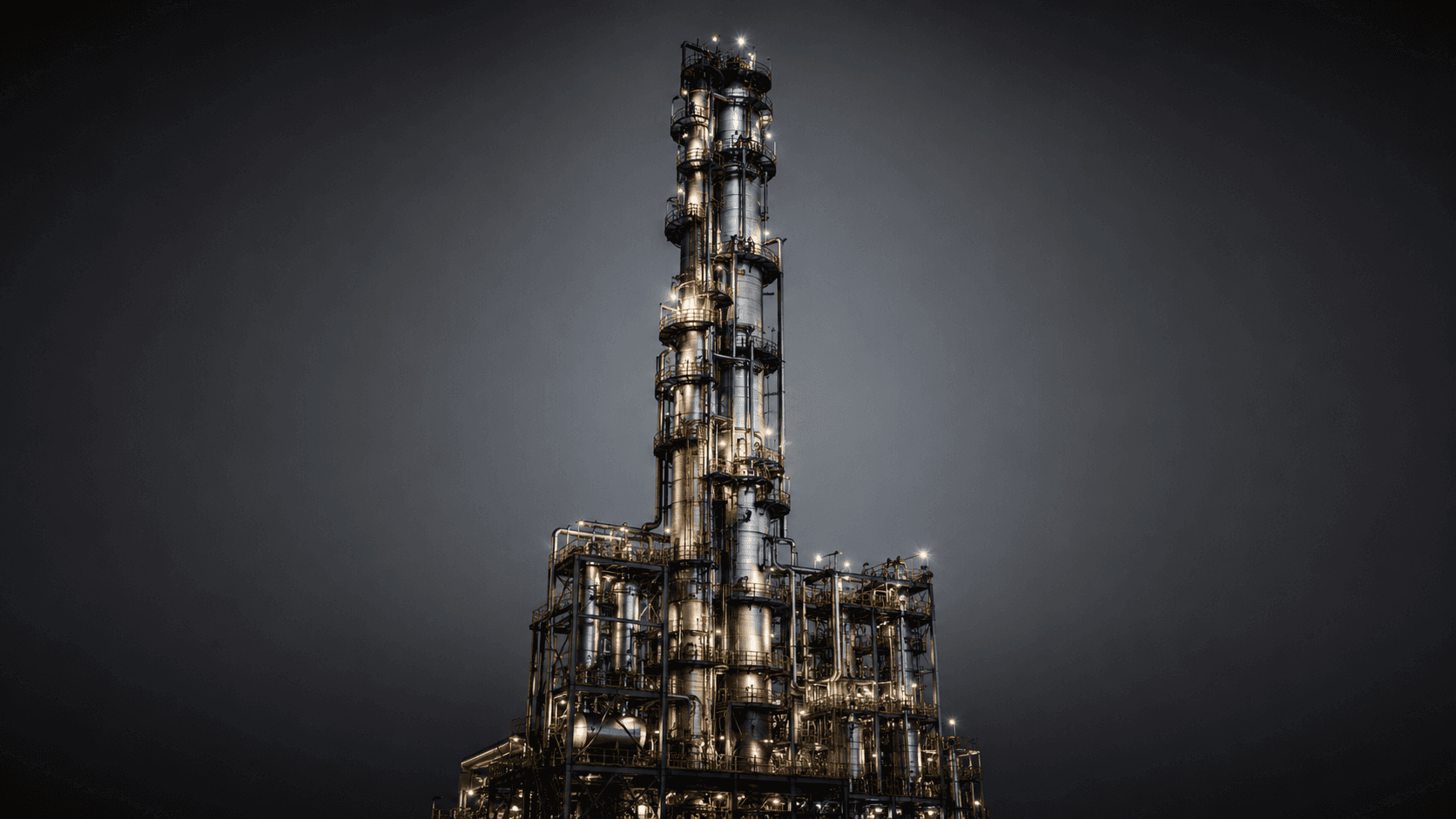
The year 2026 marked a turning point for the Iranian petrochemical sector. A combination of intensified U.S. sanctions, regional instability, and aging infrastructure led to an unprecedented 85% reduction in operational capacity across the country’s 20 major petrochemical plants. The loss is measured in both raw output and the number of active units: only 30% of the original facilities remain functional.
Key Factors Driving Capacity Loss
Sanctions & Import Restrictions:
U.S. and EU sanctions tightened in 2025, restricting access to critical equipment, spare parts, and financial services.
Infrastructure Decay: Decades of underinvestment left pipelines, storage tanks, and control systems vulnerable to corrosion and failure.
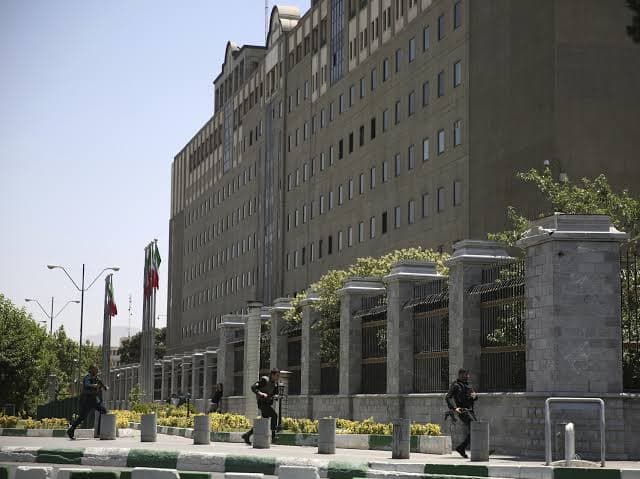
Security Incidents: Targeted attacks on key refineries during the Hormuz crisis exacerbated operational downtime.
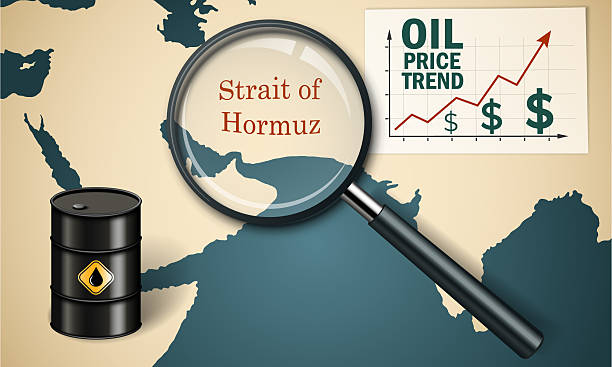
Supply Chain Disruptions: The closure of the Strait of Hormuz in 2025 halted crude imports, cutting feedstock availability.
Impact on Methanol Supply
Methanol, a cornerstone of Iran’s export portfolio, saw its domestic production plummet by 70%. The country’s primary methanol plants – located in Shahid Beheshti, Khuzestan, and Isfahan – were either damaged or rendered inoperable. This shortfall rippled across global markets, pushing prices up by 15% in the first half of 2026.
Global Repercussions
European and Asian petrochemical industries, heavily reliant on Iranian methanol, faced immediate supply gaps. European refineries increased imports from Morocco and Algeria to compensate, while Asian producers turned to U.S. and Canadian suppliers.
Reconstruction Challenges
Reviving Iran’s petrochemical base requires a multi-faceted strategy:
Capital Investment: Estimated $30–45 billion is needed to replace damaged units and upgrade technology.
Technology Transfer: Securing licenses for modern polymerization processes is hindered by intellectual property restrictions.
Workforce Retraining: A skilled labor shortage persists; training programs must be accelerated to meet new operational standards.
Regulatory Alignment: Harmonizing safety and environmental regulations with international norms is essential for foreign investor confidence.
Iran Chemical Exports: Shifting Geographies
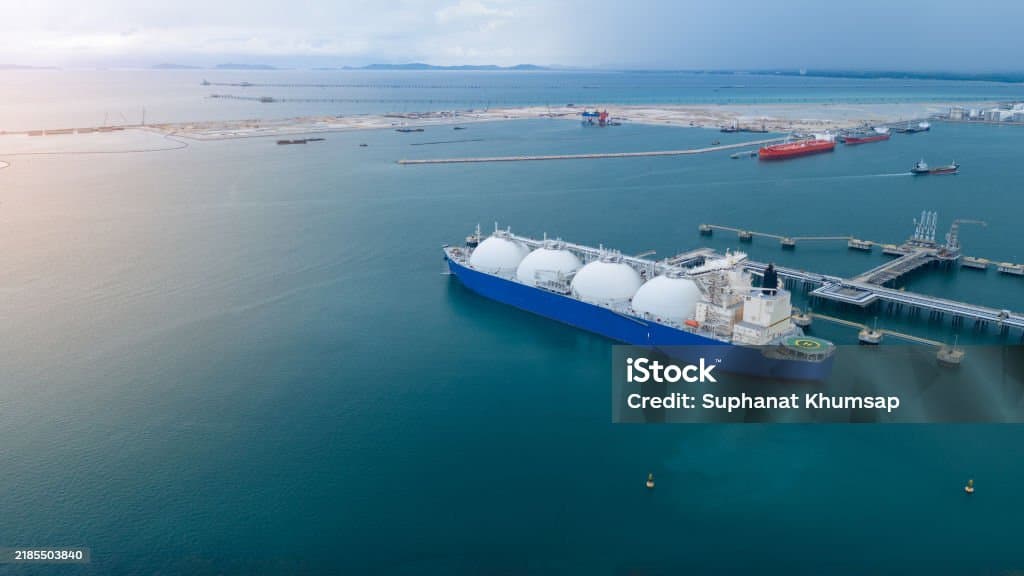
With domestic capacity down, Iran has pivoted to alternative export routes. The Hormuz crisis opened new overland corridors to Central Asia and the Caucasus, allowing limited shipment of petrochemicals via rail. However, logistical bottlenecks and customs delays have capped throughput.
Export Diversification Strategies
Iran is exploring joint ventures with Middle East neighbors to share infrastructure and reduce dependency on single export arteries. Partnerships with Saudi Arabia and UAE could provide access to the Suez Canal, restoring a critical maritime link.
Middle East Petrochemicals Landscape
Iran’s collapse has reshaped the regional petrochemical ecosystem. Saudi Arabia’s Saudi Aramco and Kuwait’s Kuwait Petroleum Corporation have increased production to fill the void, but supply chain congestion in the Persian Gulf remains a concern. The region’s overall competitive advantage is now under scrutiny as global players re-evaluate their investment portfolios.
Strategic Implications for TradeAsia International
For B2B stakeholders, the key takeaways are:
Supply Diversification: Rely on multiple suppliers to mitigate regional disruptions.
Long-Term Contracts: Secure fixed-price agreements to hedge against price volatility.
Technology Partnerships: Engage with technology providers to upgrade existing facilities and explore renewable alternatives.