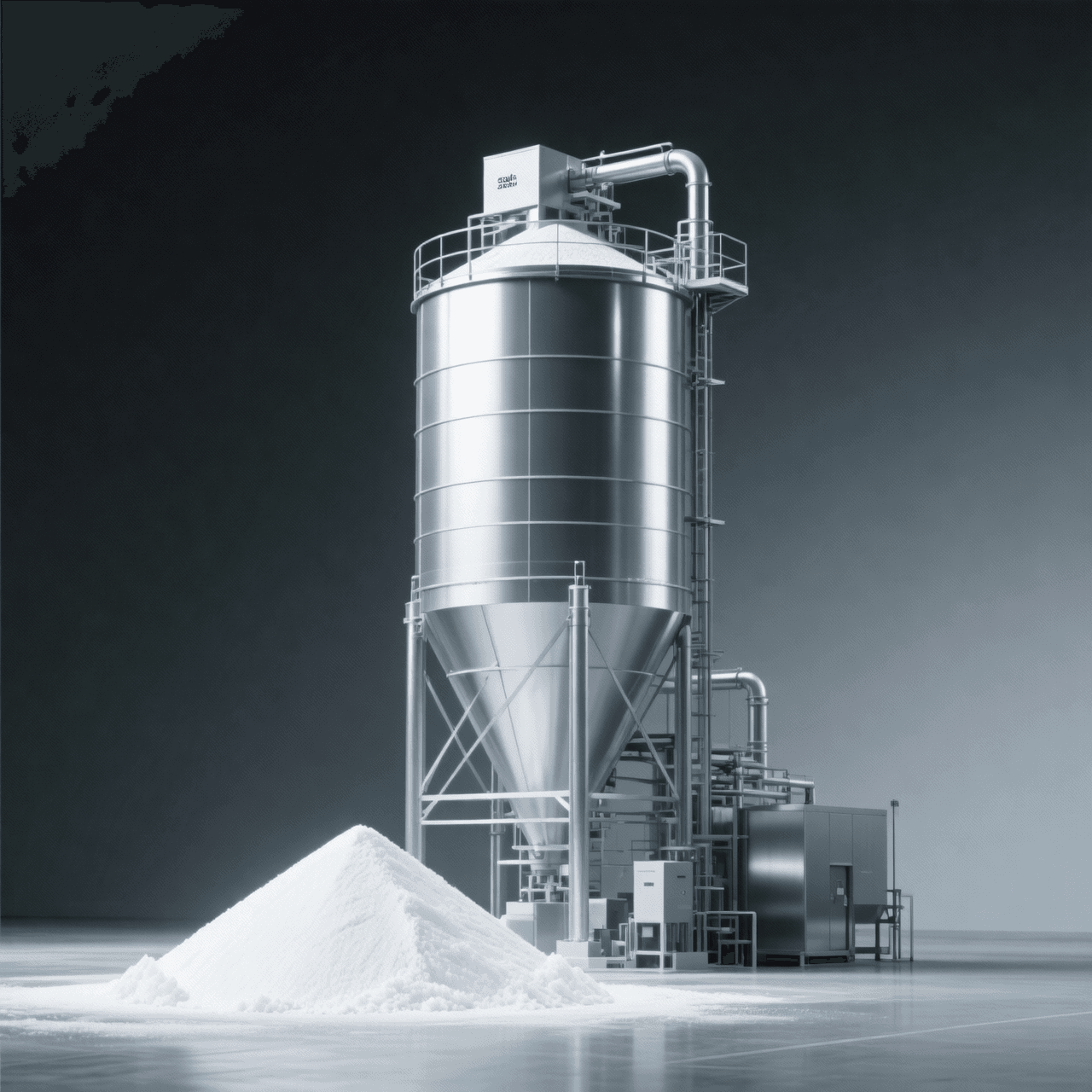
The global sulfuric acid market is entering a transition period as sulfur supply expectations improve following changes in Middle East energy conditions. The sulfuric acid market outlook for H2 2026 is closely linked to sulfur availability, refinery activity and demand from fertilizer and mining industries.
Sulfur is a critical feedstock for sulfuric acid production, and any changes in petroleum refining activity can directly affect acid supply economics. As Gulf producers gradually restore output after Hormuz-related disruptions, additional sulfur availability is expected to return to global markets.
For buyers, the key question is how quickly supply recovery will translate into lower sulfuric acid costs.
Sulfur Supply Recovery Changes Sulfuric Acid Market Expectations
Sulfuric acid, also known as oil of vitriol, is one of the most widely used industrial chemicals globally. It supports major industries including fertilizers, mining, metals processing and chemical manufacturing.
The market depends heavily on sulfur availability because much of the global sulfur supply comes as a by-product of oil and gas refining.
The expected recovery in Middle East production could influence:
Sulfur availability for acid producers.
Production costs for sulfuric acid manufacturers.
Regional pricing differences.
International trade flows.
As refinery activity normalizes, sulfur supply pressure is expected to gradually reduce.
Middle East Refining Activity and Sulfur Availability
The Middle East plays an important role in global sulfur markets because major oil producers recover sulfur during refining and gas processing operations.
The IEA projected that global oil markets could face a significant supply surplus in 2027 if shipping activity through the Strait of Hormuz fully normalizes. This outlook indicates that additional crude supply may return as production systems stabilize.
Saudi Arabia and the UAE are expected to be among the faster producers to restore output because of their infrastructure advantages and alternative pipeline routes.
For sulfuric acid buyers, increased refinery activity could mean:
More sulfur availability entering the market.
Lower feedstock pressure for acid producers.
Improved supply confidence.
Gradual normalization of pricing.
Sulfuric Acid Demand From Fertilizer and Mining Sectors
Sulfuric acid demand remains strongly connected to industrial sectors that require large volumes for production processes.
The fertilizer industry is one of the largest consumers because sulfuric acid is used in phosphate fertilizer manufacturing. Mining operations also depend on acid for metal extraction processes.
Major demand areas include:
Fertilizer production: Sulfuric acid supports phosphate processing and agricultural input manufacturing.
Mining operations: Used in copper, nickel and other mineral processing activities.
Chemical manufacturing: Required for multiple industrial reactions.
Water treatment: Applied in selected industrial treatment processes.
Demand from these sectors will determine how quickly recovering sulfur supply affects market balance.
Current Sulfuric Acid Pricing Pressure in Asia
Sulfuric acid prices increased during the period of supply uncertainty as sulfur availability tightened and energy-related risks increased. Northeast Asian prices reached around $267/MT as market participants adjusted to constrained supply conditions.
However, the pricing environment is beginning to shift.
Potential downward factors include:
Restoring Middle East sulfur production.
Improved shipping conditions.
Reduced supply risk premiums.
Increased availability from major producers.
The decline is expected to be gradual because inventory levels, contracts and regional demand conditions will influence the pace of adjustment.

Sulfuric Acid Supply Chain Risks Through H2 2026
Although supply conditions are improving, buyers should continue monitoring potential risks. Chemical markets can respond quickly to changes in energy, logistics and industrial demand.
Key factors include:
Speed of Middle East production recovery.
Global refinery operating rates.
Shipping availability.
Fertilizer demand cycles.
Mining industry activity.
Companies purchasing sulfuric acid should consider both current pricing and future supply reliability.
Procurement Strategies for Sulfuric Acid Buyers
The changing sulfur environment creates opportunities for buyers, but procurement planning remains important. Companies should evaluate market conditions before committing to long-term purchasing decisions.
Recommended procurement considerations include:
Comparing multiple supplier offers.
Monitoring sulfur feedstock trends.
Reviewing contract flexibility.
Maintaining relationships with regional producers.
Evaluating delivered cost rather than only base pricing.
A balanced strategy can help buyers capture market improvements while reducing supply risks.
Regional Sulfuric Acid Market Differences
Sulfuric acid markets vary significantly by region because production costs and supply sources differ.
Important regional factors include:
Asia’s dependence on industrial and fertilizer demand.
Middle East influence on sulfur availability.
European energy cost challenges.
Mining sector demand in resource-producing regions.
These differences create opportunities for international traders who understand regional supply and demand patterns.
Sustainability and Sulfur Recovery Trends
Sulfur recovery from refining operations also plays an important role in environmental management. Removing sulfur from fuels helps reduce emissions while creating a valuable industrial raw material.
Future market developments may focus on:
Improved sulfur recovery efficiency.
Lower-emission refining processes.
Better resource utilization.
More efficient chemical production methods.
These trends may influence sulfur and sulfuric acid supply over the longer term.
Looking Ahead to 2027: Sulfuric Acid Market Balance
The sulfuric acid market is expected to move toward a more balanced supply environment as Middle East sulfur production gradually returns. However, the recovery process will depend on refinery operations, shipping normalization and industrial demand.
For fertilizer and mining buyers, the remainder of 2026 may present a gradual easing of input costs rather than an immediate price correction. Companies should continue tracking sulfur availability and supplier strategies.
Procurement teams that monitor market fundamentals and maintain flexible sourcing plans will be better prepared as global sulfuric acid trade conditions evolve.
Ready to source Sulphuric Acid (98%) - India from verified global suppliers? Explore competitive offers on our platform today.
Sulphuric Acid (60%) CAS: 7664-93-9