Related Insights
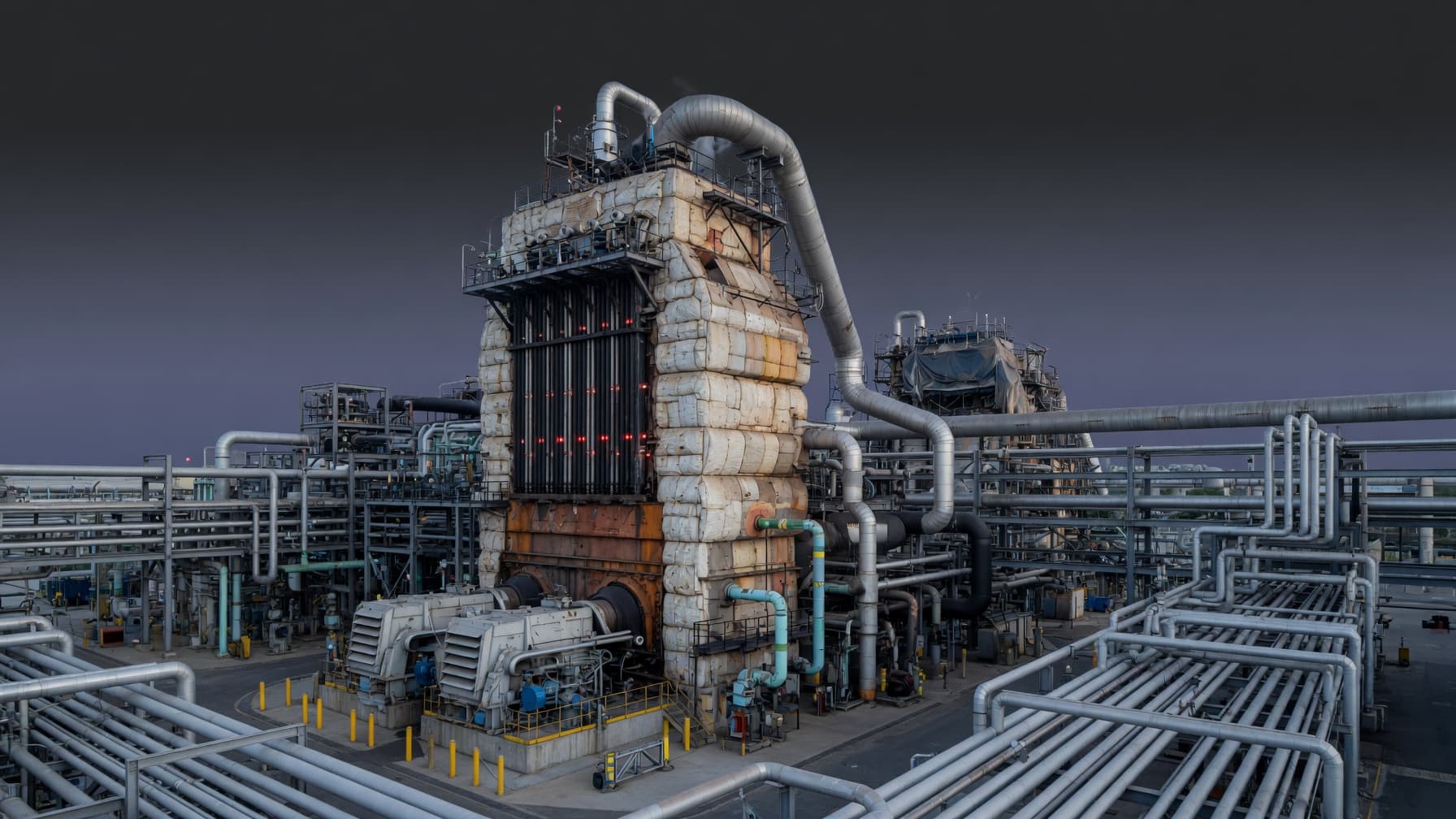
South Korea's Small Cracker Shutdowns: What Asia's Petrochemical Consolidation Means for Buyers
South Korea's planned petrochemical restructuring is expected to close smaller stand-alone naphtha crackers, signalling a broader wave of capacity consolidation across Asia. Procurement teams should assess how fewer production assets may influence polymer supply, feedstock pricing and regional sourcing strategies.

Annaba Port Expansion Boosts Phosphate Exports Ahead of 2027
Algeria’s Annaba port is accelerating its expansion to meet a 2027 deadline, adding thousands of workers and new logistics capacity. The project strengthens the country’s position in the global phosphate market and enhances fertilizer supply chains. Read how the upgrade transforms maritime operations and market dynamics.
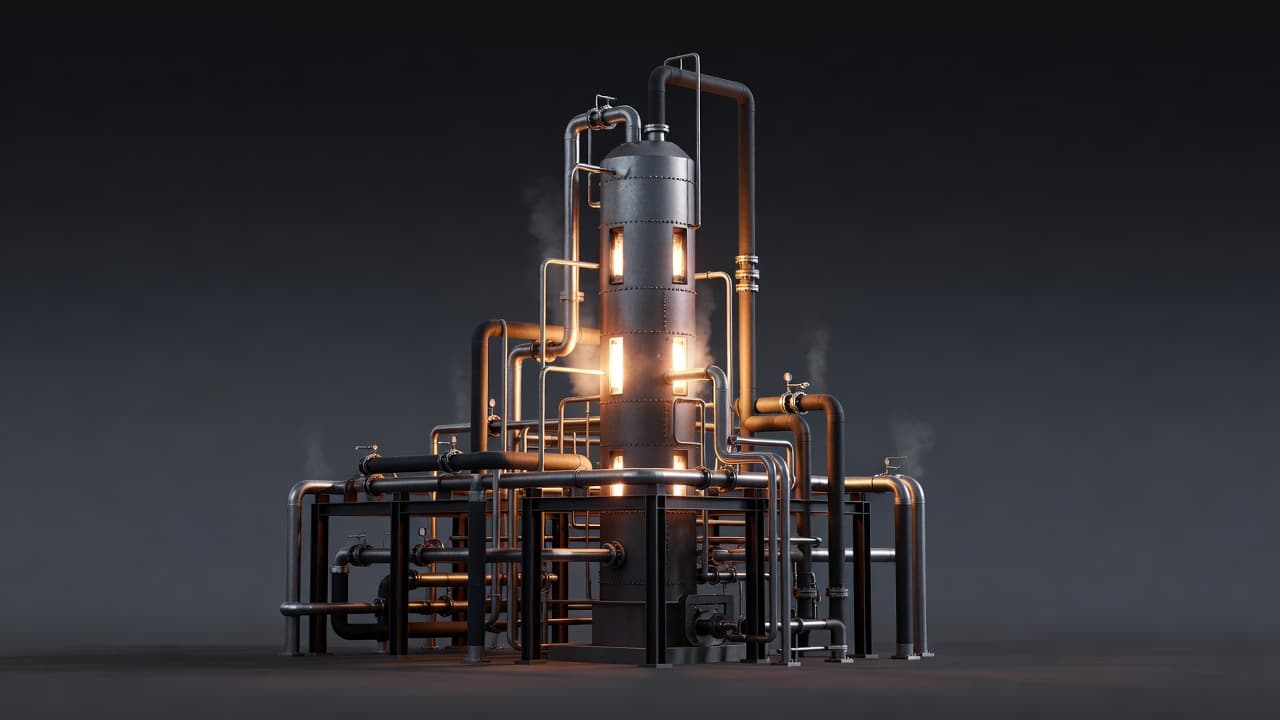
Steam Cracker Economics: How China's High Utilization Is Squeezing European Petrochemical Producers
Chinese steam crackers operating near maximum capacity can spread fixed costs across larger output volumes and export surplus petrochemicals into global markets. European crackers averaging around 75% utilization face a widening cost disadvantage that could reshape polymer pricing, regional production and procurement strategies

ADNOC’s Dual Hubs: Ruwais Gearing Up as Secondary, Sohar Remains Primary Export Route
ADNOC’s two‑hub strategy reshapes the UAE chemical market. While Ruwais ramps up convoy operations, Sohar continues to dominate due to its established logistics network and lower congestion. Chemical buyers must weigh cost, risk, and supply‑chain nuances for Q3 2026.
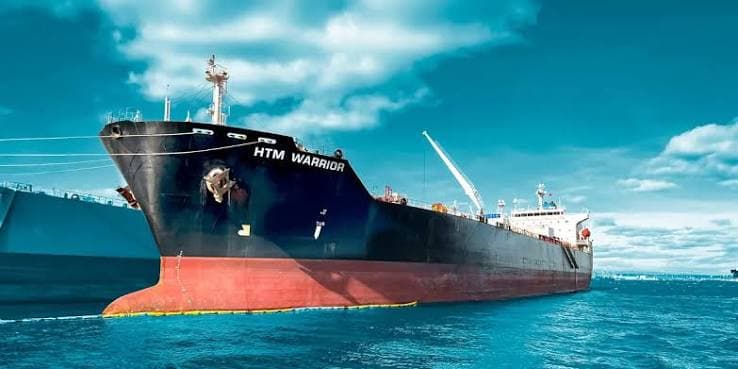
Jones Act and Chemical Logistics: What the 60-Day Waiver Expiry Means for US Markets
The expiration of the temporary Jones Act waiver has restored standard domestic shipping rules across US chemical logistics. As Gulf Coast supply chains continue recovering, distributors and manufacturers are once again navigating a tighter domestic tanker market and higher coastwise transportation costs.
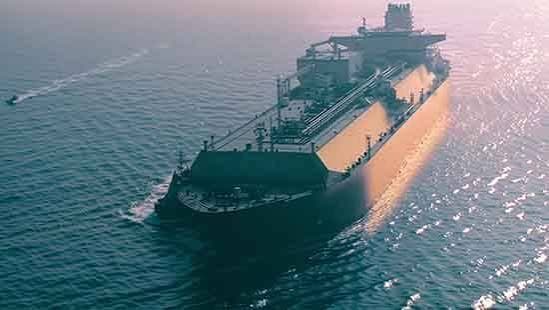
IMO's 49 Incidents: The Definitive Safety Record and What It Means for Chemical Tanker Risk
The International Maritime Organization has confirmed 49 security incidents across Hormuz and the Persian Gulf as of June 30, creating the most comprehensive official risk dataset of the 2026 shipping crisis. For chemical tanker operators and cargo buyers, this record now defines insurance underwriting and shipping risk calculations for H2 2026.
Don't miss out on our updates! Subscribe to our newsletter now
We're committed to your privacy. Tradeasia uses the information you provide to us to contact you about our relevant content, products, and services. For more information, check out our privacy policy.