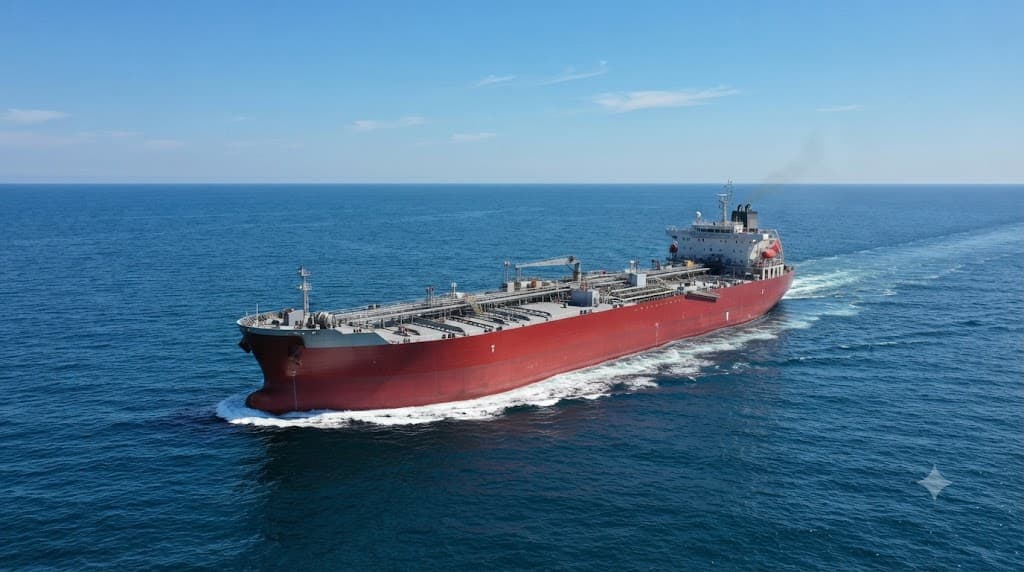

Few commodity chemicals have felt the impact of the Hormuz disruption as intensely as methanol. Roughly one-third of global seaborne methanol trade normally moves through the Strait, making the market highly sensitive to any interruption in Gulf exports.
The latest developments from Bürgenstock have introduced a new variable into pricing discussions. With record oil transit volumes reported on June 21 and confirmations that waivers were secured for petrochemical exports, market participants must now consider whether supply conditions could improve significantly during the next two months.
For procurement teams negotiating Q3 contracts this week, the key issue is no longer whether supply disruption exists. The more important question is whether the market has already reached peak pricing and is preparing for a correction.
Why Hormuz Matters So Much to the Methanol Market
Methanol differs from many other commodity chemicals because a substantial share of global export supply originates in the Middle East.
Large production hubs in the Gulf region serve buyers across Asia, Europe and other importing markets. When shipping through Hormuz slows or becomes uncertain, supply availability changes rapidly.
The consequences of disruption extend across several sectors:
Methanol importers face delayed cargo arrivals and tighter spot availability.
Traders encounter increased uncertainty when pricing forward shipments.
Downstream manufacturers often build precautionary inventories, creating additional demand pressure.
Shipping operators face route adjustments that increase transportation costs and transit times.
This concentration of supply makes methanol especially vulnerable compared with chemicals that have more geographically diversified production networks.
Bürgenstock Signals a Potential Supply Recovery
Recent announcements have altered market sentiment.
Iranian officials confirmed that waivers had been secured for petrochemical exports during discussions connected to the Bürgenstock process. At the same time, reports of substantial oil transit volumes suggest that shipping activity has not remained frozen at crisis levels.
These developments do not guarantee a full restoration of trade flows. They do, however, reduce the probability of a prolonged and complete disruption.
For methanol buyers, even a partial recovery could influence pricing expectations because the market had previously priced in severe supply constraints.
Methanex Europe Q2 Contract Highlights Peak Market Conditions
One of the strongest indicators of recent market tightness comes from contract pricing itself.
Methanex's Europe Q2 contract level of approximately Euro 850/MT reflects conditions that emerged during the height of supply concerns. Buyers accepted elevated prices because availability carried greater importance than cost optimization.
Markets rarely maintain extreme pricing once supply risks begin to ease.
If export flows continue improving over the coming weeks, many participants may start treating current contract levels as a market peak rather than a new pricing baseline.
China Inventories Could Become the Decisive Factor
China remains the world's most important methanol demand center.
Inventory trends there often provide an early indication of whether supply disruptions are genuinely tightening the market or whether conditions are beginning to normalize.
Prior to the latest developments, inventories had reportedly been falling toward levels that raised concern among traders and industrial consumers. Lower inventories supported bullish sentiment because buyers feared additional supply interruptions.
A restoration of Gulf exports could reverse that trend.
If more cargoes arrive consistently during July and August, inventory replenishment may reduce urgency among buyers and weaken support for current price levels.
What MTO Operators Are Watching Closely
Methanol-to-olefins facilities represent a major source of methanol demand in China.
These operators consume large volumes of feedstock and closely monitor both supply availability and inventory levels. Their purchasing behavior can influence regional market direction.
Several factors matter to MTO operators today:
Feedstock affordability directly affects operating margins.
Inventory replenishment can reduce emergency buying activity.
Improved cargo arrivals increase confidence in future supply availability.
Lower supply risk allows more flexible procurement planning.
If confidence improves across the sector, purchasing patterns may become less aggressive than they were during the disruption period.
Formaldehyde Producers Could Benefit From Supply Normalization
The formaldehyde sector represents another major source of methanol demand.
Manufacturers of resins, wood products and industrial intermediates rely on stable methanol supply to maintain production schedules. During periods of uncertainty, these buyers often prioritize security of supply over pricing efficiency.
A gradual restoration of Hormuz flows could provide several advantages:
More predictable procurement planning.
Reduced spot market volatility.
Improved contract negotiation conditions.
Greater flexibility in inventory management.
These benefits would support downstream industries that have absorbed elevated raw material costs during recent months.
Why Freight Costs Still Matter
Supply recovery alone does not determine delivered pricing.
Even if methanol production and exports normalize, freight costs remain an important component of total procurement expense. Shipping markets continue to reflect disruptions that emerged during the crisis period.
Longer voyage distances, vessel availability concerns and insurance-related costs may continue influencing delivered prices despite improvements in feedstock availability.
Procurement teams should therefore evaluate both product pricing and logistics costs together rather than treating them as separate variables.
Scenarios for Q3 Methanol Contracts
Current negotiations take place at a critical moment.
Several possible outcomes remain realistic for Q3 pricing:
A rapid improvement in export flows could encourage moderate price corrections during the quarter.
Partial recovery may stabilize prices without triggering a sharp decline.
Unexpected geopolitical setbacks could limit supply improvements and preserve market strength.
Inventory rebuilding in China may slow any correction if demand remains robust.
The most probable outcome appears to be a gradual adjustment rather than a dramatic collapse in pricing.
Market participants now have evidence that supply conditions may improve, but they still face uncertainty regarding the pace and sustainability of that improvement.
Trade Flow Changes Buyers Should Monitor
Procurement teams should focus on physical market indicators rather than headlines alone.
Several signals deserve close attention over the next sixty days:
Export volumes from Gulf producers.
Vessel movement patterns through Hormuz.
Chinese port inventory trends.
Spot cargo availability in Asia and Europe.
Changes in freight rates on major methanol routes.
These indicators will provide a clearer picture of whether normalization is progressing fast enough to influence contract markets.
What Buyers Should Do Before Locking in Q3 Volumes
The methanol market appears to be transitioning from crisis pricing toward a more balanced environment.
Supply concerns have not disappeared, but recent developments suggest that the most severe disruption scenarios may no longer represent the base case. This shift changes the negotiating landscape for buyers, traders and industrial consumers.
Procurement teams should model multiple scenarios rather than assuming current prices will persist throughout the quarter. Contract flexibility, inventory planning and freight exposure deserve as much attention as outright methanol pricing.
Companies that monitor inventory trends, shipping activity and Gulf export recovery will be better positioned to identify buying opportunities if the market begins correcting during Q3.
Ready to source Methanol from verified global suppliers? Explore competitive offers on our platform today.
Methanol CAS: 67-56-1