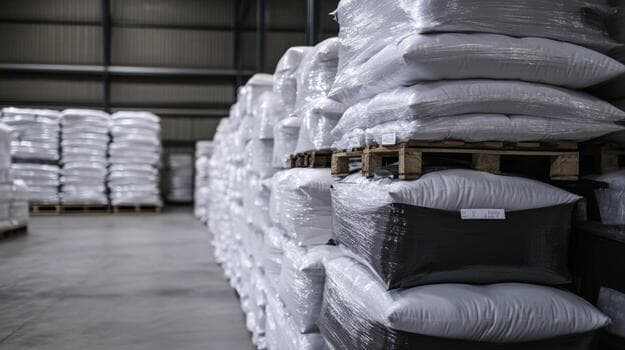
Urea (Granular) - Egypt CAS: 57-13-6


The caprolactam market enters 2026 with expanding Chinese capacity, lower operating rates and increasing pressure across the nylon 6 value chain. Shenma's planned expansion and recycling innovations are reshaping sourcing decisions for buyers worldwide.
China's decision to delay phosphate exports until August, following earlier urea export restrictions, is influencing global fertilizer markets without formal trade bans. Procurement professionals should understand how export timing has become an increasingly important factor in supply chain planning.

Ongoing concerns over potential tariff actions on Canadian potash imports continue to influence US wholesale fertilizer prices. Procurement professionals should understand how trade policy uncertainty is affecting sourcing decisions, pricing and long-term supply planning.

US chemical imports are projected to fall to their lowest level since 2020, while exports are expected to reach their lowest point since 2021. Procurement teams should understand how shifting trade patterns could reshape sourcing strategies, regional supply chains and future market opportunities.

Chinese steam crackers operating near maximum capacity can spread fixed costs across larger output volumes and export surplus petrochemicals into global markets. European crackers averaging around 75% utilization face a widening cost disadvantage that could reshape polymer pricing, regional production and procurement strategies
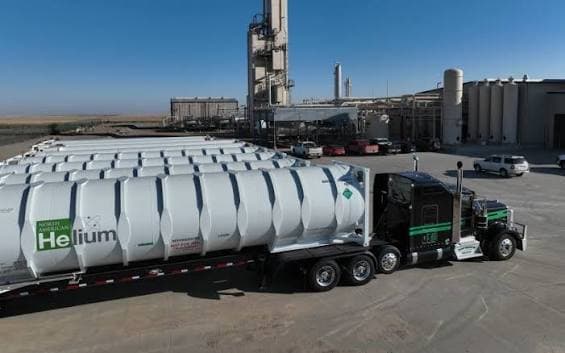
The 2026 Hormuz crisis created one of the most overlooked commodity disruptions in global markets: helium. Damage to Qatar’s Ras Laffan LNG infrastructure reduced helium production capacity, creating a structural supply shortage that may persist for years even as shipping conditions across Hormuz begin improving.
We're committed to your privacy. Tradeasia uses the information you provide to us to contact you about our relevant content, products, and services. For more information, check out our privacy policy.