
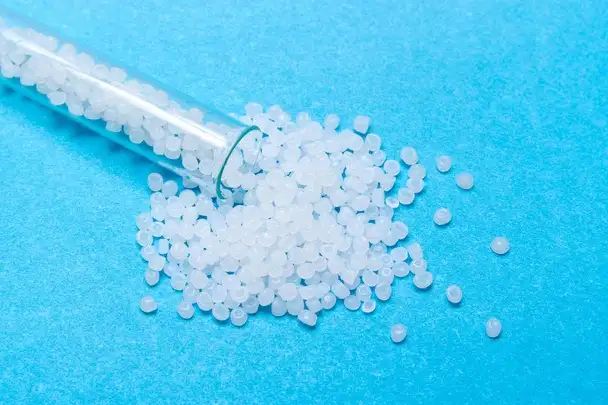
PP Homopolymer T03 (Yarn) - China
- Origin: China
- CAS Number: 9003-07-0
- HS Code: 390210
- IUPAC Name
- 2-methylbutane
- Molecular Formula
- C5H12
- Synonyms & Trade Names
- 2-Methylbutane; ISOPENTANE; 78-78-4; Isoamylhydride; Butane, 2-methyl-; iso-Pentane; 1,1,2-Trimethylethane; Dimethylethylmethane; Ethyldimethylmethane; methylbutane; 1,1-dimethylpropane; iso-C5H12; (CH3)2CH-CH2-CH3; DTXSID8025468; R-601a; ZH67814I0O; NSC-119476; CHEBI:30362; NSC119476; RefChem:5918
- Purity / Assay (%)
- ≥99.99%
- Physical Form
- Solid
- Concentration
- Pure substance
- Appearance / Color
- White to off-white solid
- Odor
- Pleasant odor
- Melting Point (°C)
- -159.8000
- Boiling Point (°C)
- 27.83 °C
- Density (g/cm³)
- 0.6201
- Solubility in Water
- Insoluble in water
- Signal Word
- Danger
- UN Number
- 1265
- GHS Hazard Class
- Flammable liquids, Aspiration hazard, Specific target organ toxicity, single exposure; Narcotic effects, Serious eye damage/eye irritation, Specific target organ toxicity, single exposure; Respiratory tract irritation, Skin corrosion/irritation
- H-Statements
- H224, H304, H336, H401
- P-Statements
- P210
- Drug Precursor Status
- Non-precursor
- Storage Conditions
- Keep container tightly closed in a dry and well-ventilated place. Containers which are opened must be carefully resealed and kept upright to prevent leakage. Recommended storage temperature 2-8 °C Refrigerate before opening. Handle and open container with care.
- Industry Usage Tags
- Intermediate
Industries
Technical Document
Brief Overview
One type of polypropylene that is made entirely of the monomer propylene is called polypropylene homopolymer. It is characterized by a high degree of crystallinity and an isotactic structure, which denotes a regular and ordered arrangement of molecular chains. This produces a polymer with excellent chemical resistance, remarkable stiffness, and effective electrical insulating qualities. Because polypropylene homopolymer has a high melting point, it is frequently processed using methods like extrusion or injection molding to create a variety of products, including pipes, sheets, and packaging materials. Because of its superior mechanical and thermal properties, it is a material of choice in many different industries, including as consumer products, construction, and automotive.
Manufacturing Process
Propylene monomers are polymerized under particular pressure and temperature conditions to produce polypropylene homopolymer. The following steps are included in the conventional procedure:
Propylene Polymerization: An organoaluminum co-catalyst and a transition metal compound are usually combined to form a Ziegler-Natta catalyst, which is used to facilitate the polymerization of propylene. The reaction is started by this catalyst, and a high-molecular-weight polypropylene homopolymer is the end product.
Quenching and Cooling: Following polymerization, the polymer undergoes quenching, which involves using a cooling agent—such as gas or water—to stop the reaction and lower the polymer's temperature.
Solid-State Polymerization: To improve the mechanical properties of the polymer and remove any unreacted monomer, the polymer is heated throughout the solid-state polymerization process. During this stage, the polymer may be heated in an inert atmosphere or under a vacuum to remove impurities and further improve the final product's properties.
Pelletization: To make handling and transportation of the acquired polymer easier, the polymer is chopped into small pellets using a pelletizing machine.
Process variables such as catalyst selection, pressure, and temperature can be changed to modify the characteristics of the resultant polypropylene homopolymer. It is also possible to enhance the material's overall performance by adding additives such stabilizers, processing aids, and antioxidants.