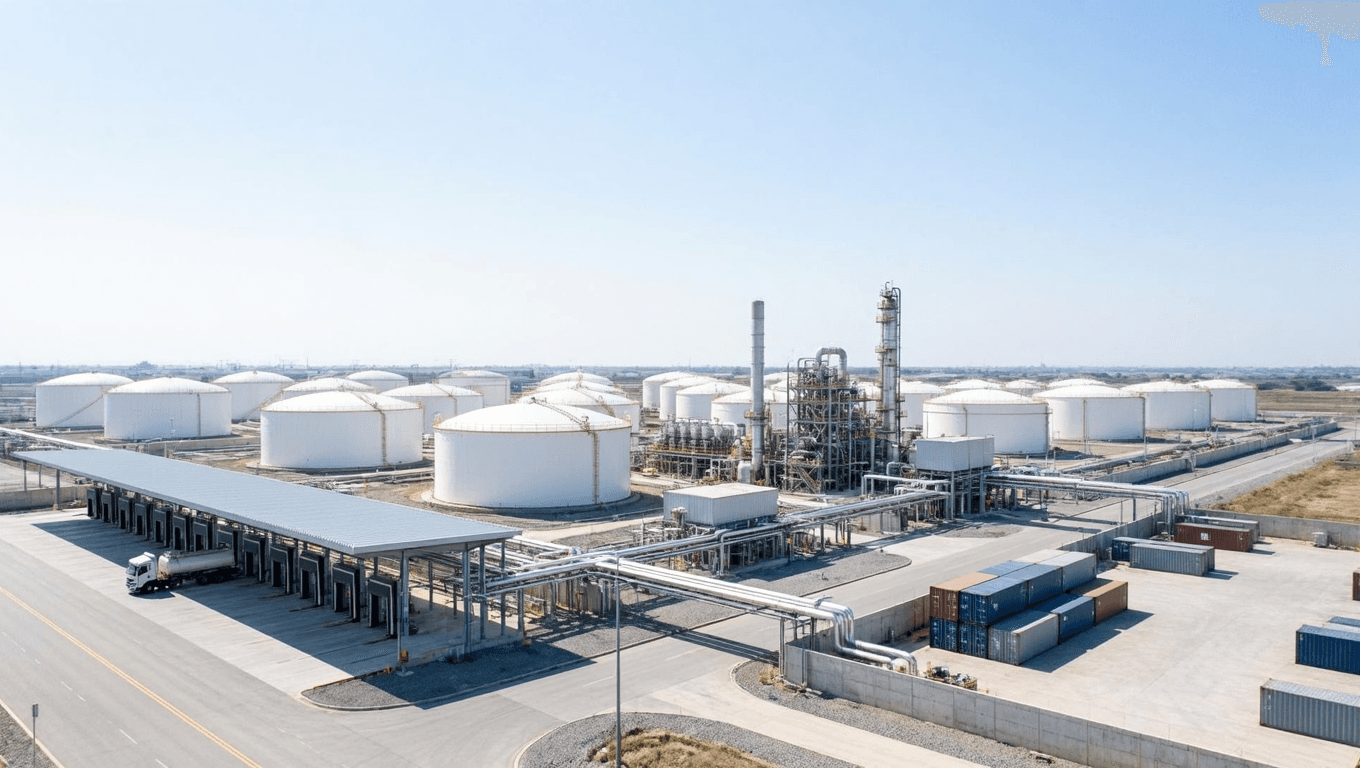
The continued decline in acetone and IPA prices has become one of the most notable trends in the chemical market during 2026. While several chemical segments have experienced sharp price increases, key solvents such as acetone, isopropyl alcohol, ethyl acetate, propylene glycol and hexane have moved in the opposite direction.
For procurement teams, traders and distributors, this divergence offers valuable insight into broader industrial demand conditions. Understanding why solvent prices continue to weaken can help buyers make better purchasing decisions and anticipate market developments in the months ahead.
Understanding Acetone, IPA and the Solvent Market
Acetone and isopropyl alcohol, commonly known as IPA, rank among the most widely used industrial solvents in the world. Manufacturers rely on them for applications ranging from coatings and adhesives to pharmaceuticals and specialty chemicals.
Acetone serves as a critical raw material and solvent in numerous chemical processes. It dissolves resins, plastics and various industrial compounds, making it essential for coatings, inks and manufacturing operations.
IPA plays an equally important role across industries. It functions as a cleaning agent, solvent and intermediate for chemical production. Pharmaceutical companies, electronics manufacturers and industrial processors consume significant volumes of IPA every year.
The solvent market also includes products such as ethyl acetate, propylene glycol and hexane. These materials support a wide range of industrial activities and often move in response to similar demand trends.
Because these products sit close to downstream manufacturing activity, their pricing often provides an early indication of industrial health and production momentum.
Global Market Size and Demand in 2026
Global solvent consumption remains substantial despite recent market weakness. Acetone and IPA continue to support critical manufacturing sectors across Asia, Europe and North America.
However, demand growth has slowed considerably during 2026. Many end-use industries have adopted cautious purchasing strategies as economic uncertainty and uneven industrial recovery affect production planning.
The paints and coatings sector remains one of the largest consumers of solvents. Construction activity and manufacturing output directly influence purchasing volumes, making solvent demand highly sensitive to broader economic conditions.
Pharmaceutical demand has remained relatively stable. However, this segment alone cannot offset weaker consumption from larger industrial sectors.
Many buyers have chosen to purchase only what they need in the short term. This approach has reduced restocking activity and limited opportunities for suppliers to raise prices.
As a result, the market has experienced a prolonged period of soft demand despite adequate supply availability.
Key Price Drivers and Market Forces Right Now
Several factors continue to pressure acetone and IPA prices.
The most significant factor is weak downstream demand. Buyers in coatings, paints, adhesives and industrial manufacturing have reduced purchasing activity compared with previous years.
Many customers continue to operate cautiously. Instead of building inventory, they prefer smaller and more frequent purchases that align closely with immediate production requirements.
Overcapacity has also become a major issue. Production capabilities across several solvent categories exceed current consumption levels, creating intense competition among suppliers.
When suppliers compete for limited demand, pricing pressure increases. Producers often lower offers to maintain sales volumes and preserve market share.
The weakness extends beyond acetone and IPA. Ethyl acetate, propylene glycol and hexane have experienced similar challenges, suggesting that the issue reflects broader solvent market conditions rather than product-specific disruptions.
At the same time, other chemical sectors have experienced sharp gains. This contrast highlights the uneven nature of the current chemical market environment.
Some specialty chemicals benefit from supply constraints and strong demand. Solvents face the opposite situation, with sufficient supply and cautious consumption.
Top Producing or Exporting Countries
Asia remains the center of global solvent production and trade.
China plays a dominant role in acetone and IPA manufacturing. The country's large petrochemical industry supports extensive production capacity and significant export volumes.
South Korea serves as another important supplier. Its advanced refining and petrochemical infrastructure enables efficient production of high-quality solvents for regional and international markets.
Japan maintains a strong presence in specialty solvent markets. Many buyers value Japanese products for their consistency and quality standards.
The United States also contributes substantial production volumes. Domestic demand absorbs much of the output, although exports remain important for certain solvent categories.
Countries in the Middle East continue expanding their petrochemical sectors. Access to competitive feedstocks supports investment in chemical manufacturing and export-oriented production.
For buyers, the broad geographic distribution of suppliers provides sourcing flexibility. However, ongoing overcapacity means competition among producers remains intense.
Applications and Who Buys These Solvents
The paints and coatings industry represents one of the largest solvent-consuming sectors.
Manufacturers use acetone and IPA during production, formulation and equipment cleaning processes. Demand from this industry often serves as a reliable indicator of construction and manufacturing activity.
Chemical manufacturers also purchase large quantities. Solvents function as intermediates, processing aids and formulation components across numerous chemical products.
Pharmaceutical companies rely heavily on high-purity IPA and other solvents. These materials support production processes, cleaning operations and formulation development.
Electronics manufacturers consume IPA extensively for precision cleaning applications. The product's effectiveness and rapid evaporation make it valuable in high-tech manufacturing environments.
Printing, packaging and adhesive producers represent additional demand centers. Together, these industries create a diverse customer base that supports long-term solvent consumption.
Despite this broad demand structure, many sectors currently report slower purchasing activity. This weakness continues to influence overall market performance.
Risks, Challenges and Regulatory Issues
The biggest challenge facing solvent suppliers today is persistent demand weakness.
If downstream industries fail to recover, producers may continue facing margin pressure. Extended periods of low prices can affect profitability and future investment decisions.
Inventory management also presents challenges for buyers and sellers. Excess inventory can increase storage costs, while insufficient inventory may create supply risks when market conditions change.
Environmental regulations continue shaping the solvent industry. Governments worldwide increasingly focus on emissions, workplace safety and environmental performance.
Many manufacturers invest in cleaner production technologies and compliance programs to meet evolving regulatory requirements. These investments can influence production costs over time.
Another risk involves changing customer preferences. Some industries continue exploring lower-emission alternatives and more sustainable formulations, which may affect future solvent consumption patterns.
Global economic uncertainty adds another layer of complexity. Industrial production, construction activity and manufacturing investment all influence solvent demand.
Outlook for the Solvent Market in 2027 and Beyond
The outlook for acetone and IPA prices depends largely on downstream demand recovery.
If construction, manufacturing and coatings activity strengthen during 2027, solvent consumption could improve significantly. Higher utilization rates would help absorb excess capacity and support firmer pricing.
However, a meaningful recovery may take time. Many markets continue to face economic headwinds that limit aggressive inventory building and expansion plans.
Supply conditions will remain important. If producers continue operating at high rates despite weak demand, pricing pressure could persist.
The pharmaceutical and electronics sectors should continue providing stable demand support. Nevertheless, stronger growth from coatings, adhesives and industrial manufacturing will likely determine the overall direction of the solvent market.
Market participants should also monitor feedstock costs, regional production rates and export activity. Changes in any of these areas could influence future pricing trends.
While short-term weakness remains the dominant theme, long-term demand fundamentals for industrial solvents remain intact due to their importance across numerous manufacturing sectors.
What Weak Solvent Demand Means for Procurement Teams
The continued decline in acetone and IPA prices offers more than just a pricing story. It provides a window into broader industrial activity and downstream market sentiment.
Weak demand from coatings, solvents and chemical intermediates suggests many manufacturers remain cautious about growth expectations. Combined with ample supply and overcapacity, these conditions continue to weigh on solvent markets.
For procurement teams, the current environment may present favorable purchasing opportunities. Buyers can often negotiate competitive terms and secure supply agreements from producers eager to maintain volume.
At the same time, procurement professionals should monitor market indicators closely. A recovery in construction, manufacturing or coatings demand could quickly alter market dynamics and reduce downward pressure on prices.
The solvent market remains one of the clearest indicators of industrial momentum in 2026. Understanding its signals can help buyers make more informed sourcing decisions in an increasingly complex chemical landscape.