A stronger-than-expected Brazilian sugarcane harvest has changed the tone of the industrial ethanol market entering the second half of 2026. While many buyers expected tighter availability, additional bioethanol output has created competitive export opportunities at a time when pharmaceutical, cosmetic and industrial solvent sectors are preparing for higher consumption.
Industrial ethanol remains one of the most actively traded chemical solvents globally. Procurement teams now face a market shaped by abundant South American supply, stable Indian production and logistics costs that continue to influence delivered pricing across major importing regions.
As buyers secure Q3 and Q4 requirements, sourcing decisions increasingly depend on freight economics, sustainability certifications and destination-specific regulatory requirements rather than simple FOB price comparisons.
Why H2 Procurement Activity Is Accelerating
The second half of the year traditionally brings stronger purchasing activity across multiple ethanol-consuming industries.
Pharmaceutical manufacturers typically increase procurement to support production schedules and inventory requirements. Sanitizer producers also maintain baseline demand as healthcare supply chains prioritize reliable feedstock availability.
Cosmetics manufacturers continue to consume significant volumes of ethanol for fragrances, personal care products and formulation processes. Industrial solvent users across coatings, chemicals and manufacturing sectors also contribute to steady demand growth.
Several procurement teams delayed purchases earlier in the year due to uncertain freight costs and geopolitical disruptions. Those postponed volumes are now returning to the market, creating a more active buying environment.
Industrial Ethanol Supply Situation in 2026
Global ethanol supply remains generally adequate despite regional logistical challenges.
Brazil stands out as the most influential supplier in the current market. Strong sugarcane yields and favorable processing conditions have allowed producers to maintain robust ethanol output while remaining competitive in export markets.
India also maintains a healthy supply position. Domestic consumption absorbs a large portion of production, but current output levels continue to support export opportunities for selected destinations and applications.
China remains an available source of industrial ethanol. However, certain importers, particularly within Europe, continue to assess regulatory and compliance considerations when evaluating Chinese-origin material for specific end-use sectors.
Current supply conditions suggest that availability is not the primary concern for buyers. Instead, sourcing decisions increasingly revolve around logistics, certification requirements and delivered cost competitiveness.
Brazilian Ethanol Gains Competitive Advantage
Brazilian exporters enter H2 2026 with several favorable market conditions.
Key advantages include:
Strong sugarcane harvest performance, which supports high ethanol production volumes and stable export availability.
Competitive production economics that help suppliers offer attractive pricing across international markets.
Growing availability of sustainability-certified material suitable for bio-based and renewable product chains.
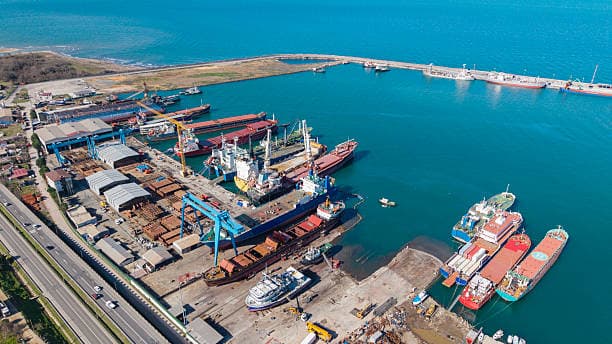
Established export infrastructure that supports large-volume shipments to multiple regions.
Many buyers evaluating multiple origins find Brazilian cargoes particularly attractive when certification requirements align with supplier capabilities.
The availability of ISCC+ certified volumes further strengthens Brazil's position among buyers seeking documented sustainability credentials.
Indian Ethanol Remains an Important Alternative
Indian producers continue to provide an attractive sourcing option for regional and international buyers.
The country's fermentation-based ethanol sector has expanded steadily in recent years. Adequate production levels currently support domestic demand while allowing selected export participation.
Indian-origin ethanol may offer advantages in certain procurement scenarios:
Shorter transit times for some Asian destinations.
Established supplier relationships for long-term buyers.
Consistent product quality suitable for pharmaceutical and industrial applications.
Potential freight advantages depending on destination market conditions.
Procurement teams should evaluate Indian and Brazilian offers using delivered cost calculations rather than relying solely on origin pricing.
How Freight Costs Are Influencing Delivered Prices
Freight remains one of the most important variables in today's ethanol trade environment.
The ongoing premium associated with shipping routes affected by Hormuz-related risk factors continues to increase transportation expenses for cargoes moving toward Middle Eastern destinations.
Even when FOB pricing remains competitive, freight costs can significantly alter final procurement economics.
Buyers should monitor:
Ocean freight fluctuations.
Vessel availability.
Marine insurance costs.
Port congestion risks.
Transit time variability.
For Middle Eastern importers, freight often represents a larger share of total procurement cost than many anticipated earlier in the year.

Certification Requirements Are Becoming More Important
Certification increasingly influences supplier selection decisions.
Many downstream customers now require proof of sustainable sourcing, especially for products marketed as renewable, bio-based or environmentally responsible.
Among the most requested certifications, ISCC+ continues to gain importance across multiple sectors.
Buyers pursuing certified supply chains should verify:
Certification validity periods.
Scope of certified products.
Traceability documentation.
Audit history.
Supply chain compliance requirements.
Certification-related factors can create meaningful differences between otherwise similar supplier offers.
Regional Demand Trends Shaping Trade Flows
Demand patterns vary considerably across importing regions.
The Middle East remains a significant consumption center despite disruptions experienced during recent periods of geopolitical uncertainty. Many buyers continue rebuilding sourcing stability and inventory strategies.
European buyers remain focused on compliance, sustainability and supply chain transparency. These priorities often influence supplier qualification processes.
Asian demand continues to benefit from manufacturing activity, personal care production and industrial solvent consumption.
Latin America also contributes to regional trade activity, although domestic production in some countries reduces import dependence compared with other regions.
These regional differences create distinct opportunities for exporters from Brazil, India and other producing nations.
Key Risks Procurement Teams Should Monitor
Supply appears relatively comfortable today, but several factors could influence market conditions during the remainder of the year.
Procurement managers should watch:
Weather developments affecting agricultural feedstocks.
Changes in biofuel policies and blending mandates.
Freight market volatility.
Currency fluctuations between exporting and importing regions.
Regulatory changes affecting ethanol trade.
Port disruptions and shipping delays.
None of these risks currently indicate a severe supply shortage. However, market sentiment can shift rapidly when multiple factors emerge simultaneously.
Comparing Brazilian and Indian Origin Material
Many buyers currently narrow sourcing evaluations to Brazilian and Indian origin ethanol.
Brazil often offers stronger competitiveness through production scale, export availability and sustainability-certified volumes.
India frequently attracts buyers seeking regional proximity, established supplier relationships or specific fermentation-based sourcing preferences.
The optimal choice depends on several variables:
Destination country.
Required certification standards.
Delivery schedule.
Contract volume.
Freight economics.
Supplier reliability.
A comprehensive landed-cost analysis remains the most effective decision-making approach.
Market Outlook for Late 2026 and Early 2027
Current indicators suggest a relatively balanced market entering the final months of 2026.
Brazil's strong harvest performance should continue supporting export availability. Indian supply also appears sufficiently stable to maintain participation in international trade.
Demand growth from pharmaceuticals, cosmetics and industrial manufacturing sectors should provide steady market support without creating immediate supply pressure.
Price direction will likely depend more on logistics costs and regional demand changes than on production shortages.
Buyers who secure volumes early while maintaining sourcing flexibility may achieve the best balance between supply security and cost control.
What Buyers Should Do Now
The industrial ethanol market currently offers buyers a favorable opportunity to review sourcing strategies before demand reaches peak seasonal levels.
Procurement teams should compare Brazilian and Indian offers on a delivered-cost basis, evaluate certification requirements early and monitor freight developments that could alter landed economics. Organizations serving sustainability-focused customers should also verify ISCC+ availability before finalizing purchasing decisions.
Rather than waiting for potential logistics disruptions or demand spikes, buyers can benefit from securing strategic Q3 and Q4 volumes while supply remains readily available and exporter competition remains strong.
Ready to source ethanol industrial grade from verified global suppliers? Explore competitive offers on our platform today.
Isopropyl Alcohol (IPA) (99.7%) - China CAS: 67-63-0