

Understanding the EUDR Landscape
The European Union’s new Environmental, Urban, and Development Regulations (EUDR) aim to curb deforestation and environmental harm linked to imported commodities. While the law primarily targets timber and palm oil, its reach extends to palm chemicals—fatty acids, glycerin, and derivatives—used across cosmetics, food, and industrial sectors.
Why Indonesian Oleochemicals Are in Focus
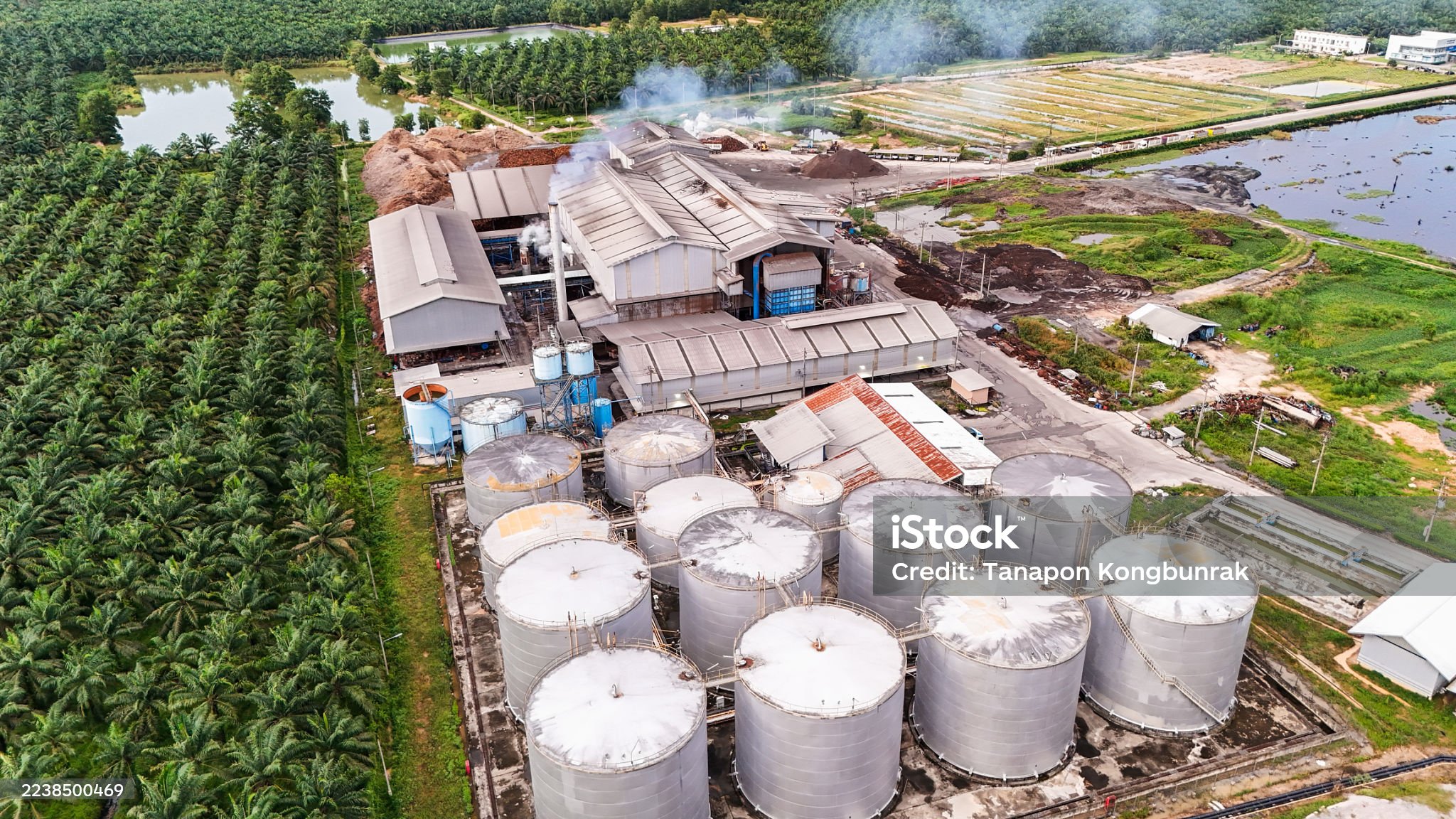
Indonesia remains the world’s largest palm oil producer, and the majority of its oleochemicals are derived from palm kernel oil or palm oil itself. The supply chain from palm plantation to finished chemical is complex, often involving multiple intermediaries. This complexity makes it difficult to trace the true origin of the raw material, a key requirement under EUDR.
Key Compliance Risks for Indonesian Palm Chemicals
Deforestation Linkage – Any evidence that the palm oil used in the chemical’s production is linked to cleared forest land triggers a compliance violation.
Limited Traceability – Lack of certified supply chain records can lead to a “grey‑area” status, where the product is considered compliant only after a lengthy audit.
Fatty Acids and Glycerin – These high‑volume commodities are often blended with other oils. Without clear segregation, proving the palm oil source becomes impractical.
What EU Buyers Must Do Before Enforcement
Request verified chain‑of‑custody certificates from Indonesian suppliers.
Engage third‑party auditors to validate the “no deforestation” status of the palm oil used.
Implement a digital traceability system that logs each batch from plantation to final product.
Develop an exclusion list for any palm oil sourced from high‑risk regions.
Steps Indonesian Producers Can Take Now
Proactive measures can mitigate risk and preserve market access:
Secure Certified Palm Oil – Partner with suppliers who provide FSC or RSPO certified palm oil.
Co‑operate with Auditors – Allow auditors to access plantation records and verify land use.
Invest in Digital Traceability Platforms – Blockchain or RFID can provide immutable records.
The Bottom Line

Failure to comply with EUDR could mean product bans, costly recalls, and reputational damage. Indonesian palm chemical producers must act swiftly to align with EU standards, while buyers need to enforce rigorous supplier verification. Early compliance is not just regulatory compliance—it’s a strategic investment in sustainable supply chains.
Palm Fatty Acid Distillate (PFAD) CAS: 8002-75-3