
H1 Volatility: Key Drivers
The first half of 2026 started with high uncertainty. Global crude oil prices spiked to $110 per barrel, pushing urea production costs up by nearly 12%. Simultaneously, the European Union’s new ammonia‑emission regulations tightened supply constraints, while the Asian market saw a surge in demand for nitrogen fertilizers.
Urea Outlook

Price Trend: Urea prices have been oscillating between $230 and $260 per tonne, reflecting the cost‑pressure cycle. The June spot market opened at $245/tonne, slightly above the 2025 average of $240, but remains below the peak of $275 observed in March.
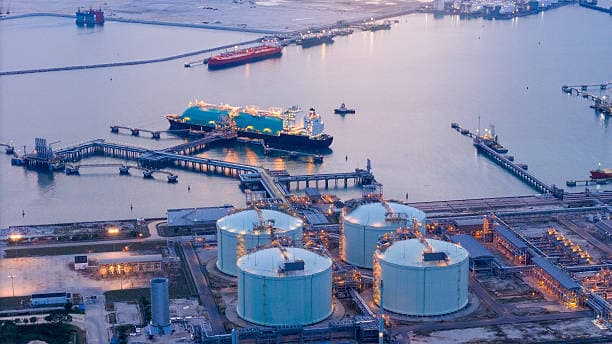
Supply Dynamics: Gulf producers, particularly Saudi Arabia and the UAE, have gradually ramped up output after a two‑month shutdown. Production capacity is now at 95% of the 2025 peak, with an additional 2% expected by September. This rebound is expected to moderate price swings in H2.
Gulf Supply Recovery
The Gulf region has become a pivotal supplier. After the 2025 shutdown, Saudi Arabia increased urea output by 18% year‑on‑year, while the UAE added 12%. Combined, they now supply 40% of global urea demand, a 5% increase from H1 2025.
DAP Outlook
Market Dynamics: DAP prices have stabilized after a volatile H1. The June benchmark sits at $520/tonne, down 4% from the high of $540 in February, but up 6% from the average $490 of 2025.
Demand Drivers: The Indian agricultural calendar is pushing demand for DAP into the second quarter, while Southeast Asian countries are increasing their imports to meet rice‑crop requirements. This seasonal surge is projected to keep prices above $500 until mid‑September.
Policy and Regulatory Impact
Environmental regulations across major markets have tightened nitrogen‑emission limits. The EU’s Nitrogen Master Plan aims to reduce N₂O emissions by 30% by 2030, prompting European producers to shift towards low‑phosphorus fertilizers. In China, the 2026 “Green Fertilizer” policy incentivizes DAP production, potentially increasing domestic output by 8%.
H2 2026 Outlook
Looking ahead, the fertilizer market is expected to trend towards equilibrium. Urea prices should gradually decline as Gulf supply stabilizes, potentially dipping to $235/tonne by August. DAP, meanwhile, could see a modest uptick due to persistent demand in Asia and supportive policy incentives.
Inventory Levels: Global inventory-to-demand ratio is projected to fall from 1.4 in H1 to 1.2 by H2, reducing the risk of price spikes. The lower inventory cushion will also improve market liquidity for both urea and DAP.

Trade Opportunities: Importers in North America and Latin America may find favorable terms as Asian producers look to diversify export markets. The trade balance is likely to shift slightly in favor of exporters, with a projected net export volume increase of 5% for the region.
Key Takeaways for Stakeholders
Urea prices are expected to normalize by mid‑2026 as Gulf production recovers.
DAP will likely maintain a premium in Asian markets due to policy support.
Inventory levels will ease, reducing volatility but also tightening margins.
Policy shifts toward low‑phosphorus fertilizers could reshape supply chains.
Strategic sourcing from Gulf producers can mitigate cost pressures.
The fertilizer intelligence landscape for 2026 is shaped by a complex interplay of cost drivers, supply dynamics, and regulatory frameworks. While H1 volatility has created short‑term pricing uncertainty, the trajectory for H2 points toward a more balanced market, offering both opportunities and risks for producers, traders, and end‑users alike. Staying informed through continuous intelligence updates will be essential for navigating the evolving fertilizer market 2026.
Potassium Dichromate CAS: 7778-50-9