Introduction
The global demand for food ingredients is steady, but the cost to bring them to market is not. In 2026, maltodextrin and dextrose importers face a dual challenge: surging freight rates across key shipping lanes and the EU’s new ICs2 compliance framework. Together, they inflate landed costs and squeeze profit margins.
Freight Rates Food Ingredients: Where the Pressure Comes From
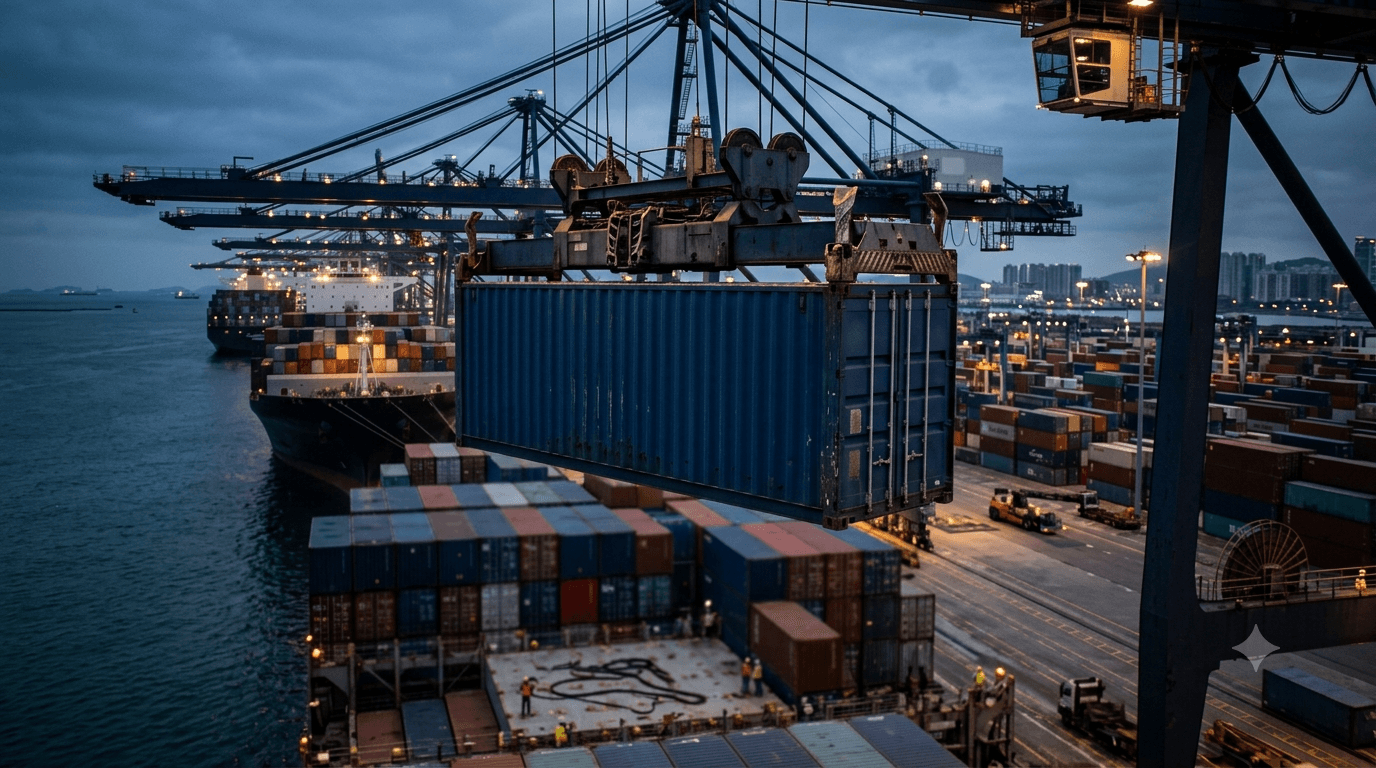
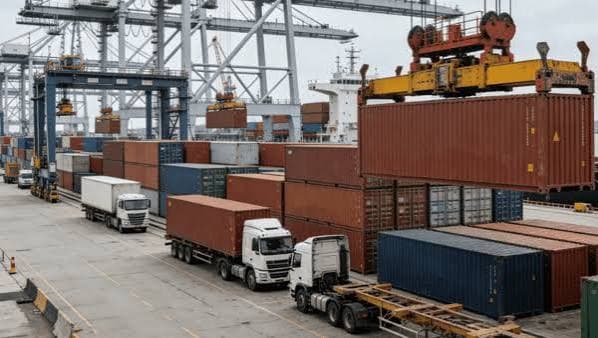
Freight rates have climbed by more than 45% over the past two years, driven by a combination of carrier shortages, fuel price spikes, and port congestion. For starch sweeteners, which are shipped in bulk containers, even a small rate increase translates into a sizable cost bump.
Container scarcity: Limited availability of 40-foot containers has pushed freight forwarders to charge premium rates.
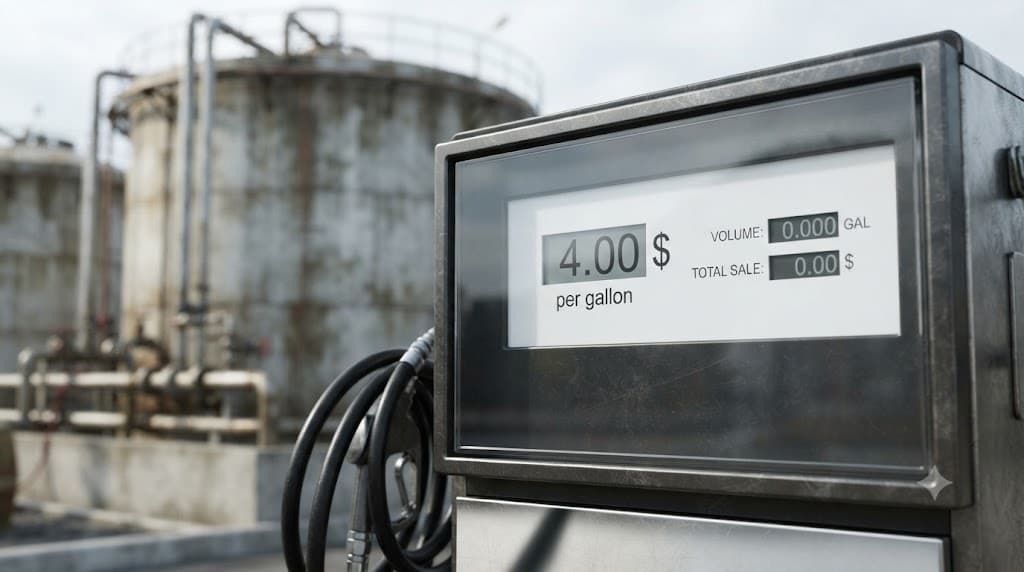
Fuel surcharges: Volatile oil prices add a volatile surcharge that can shift monthly by months.
Port bottlenecks: Congestion in Rotterdam and Valencia forces longer transit times, increasing demurrage fees.
Impact on Maltodextrin Market 2026
In 2026, the maltodextrin market is projected to grow by 3.5% CAGR, but the cost of moving the product from Asia to Europe is rising faster than the market itself. Importers from China and Thailand now face a freight cost that can exceed 20% of the product’s FOB price, eroding margins that were once stable.
ICs2 Customs Compliance: A New Layer of Cost
The EU’s Integrated Compliance System 2 (ICs2) replaces the old SCoT system with a digital platform that requires real‑time data exchange for all customs declarations. While the intention is to streamline inspections, the implementation has added a compliance cost.
Data integration: Importers must integrate their ERP systems with the ICs2 portal, which can cost $15,000–$30,000 for software upgrades.
Training: Staff must be trained on new procedures, adding labor costs of roughly 5% of annual payroll.
Inspection fees: The probability of a random audit has increased, with each audit averaging $3,000.
Effect on Dextrose Prices
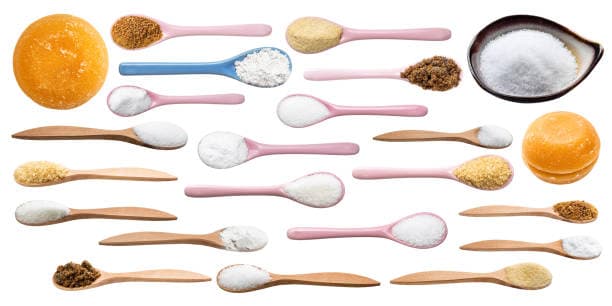
Dextrose, a key carbohydrate sweetener, is subject to the same freight and compliance pressures. Producers in Thailand, a major exporter, now see dextrose prices rise by 7% YoY, partly due to the higher landed cost imposed by ICs2 and freight surcharges.
Strategic Responses for Importers
To mitigate these cost drivers, importers can adopt several strategies:
Long‑term freight contracts: Locking in rates for 12–24 months can hedge against market volatility.
Consolidation: Partnering with other buyers to consolidate shipments reduces container utilization costs.
Digital compliance tools: Investing in automated invoicing and customs declaration software cuts labor time by up to 30%.
Local sourcing: Exploring regional suppliers in the EU or nearby regions can eliminate freight entirely, though it may affect product specifications.
Cost‑sharing agreements: Negotiating shared audit fees or joint training sessions with industry groups spreads the cost.
Working with Maltodextrin Suppliers China & Thailand
Engagement with suppliers can also help manage landed costs. Requesting freight pre‑payment or back‑haul agreements can lower the effective price. Suppliers may offer volume discounts for longer contracts, offsetting freight increases.
Maize (Corn) Starch CAS: 9005-25-8