
Citrus Pulp CAS: 94266-47-4
Citrus Pulp CAS: 94266-47-4
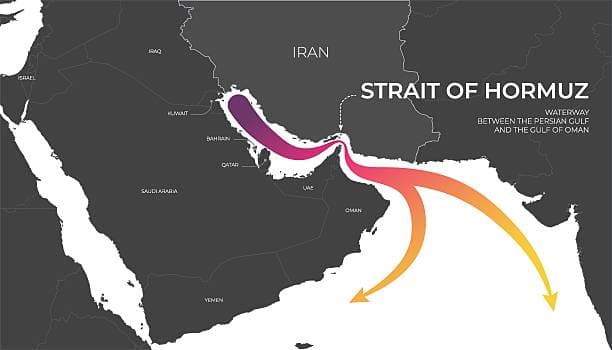
Simultaneous threats to the Hormuz and Bab el-Mandeb choke points could ripple through global shipping and chemical supply chains, demanding urgent resilience measures. This article examines the risks, impacts, and strategies to mitigate disruption.
Chemical companies are entering 2026 with a renewed focus on cash flow, portfolio restructuring and selective investment rather than aggressive expansion. Procurement teams should understand how this strategy could affect production capacity, supplier priorities and long-term supply reliability.

The widespread use of AIS-disabled "dark tankers" during the Hormuz crisis created new compliance and documentation challenges for global chemical supply chains. As escorted convoy operations expand, improved vessel traceability is becoming an important commercial advantage for buyers operating under strict regulatory and quality requirements.
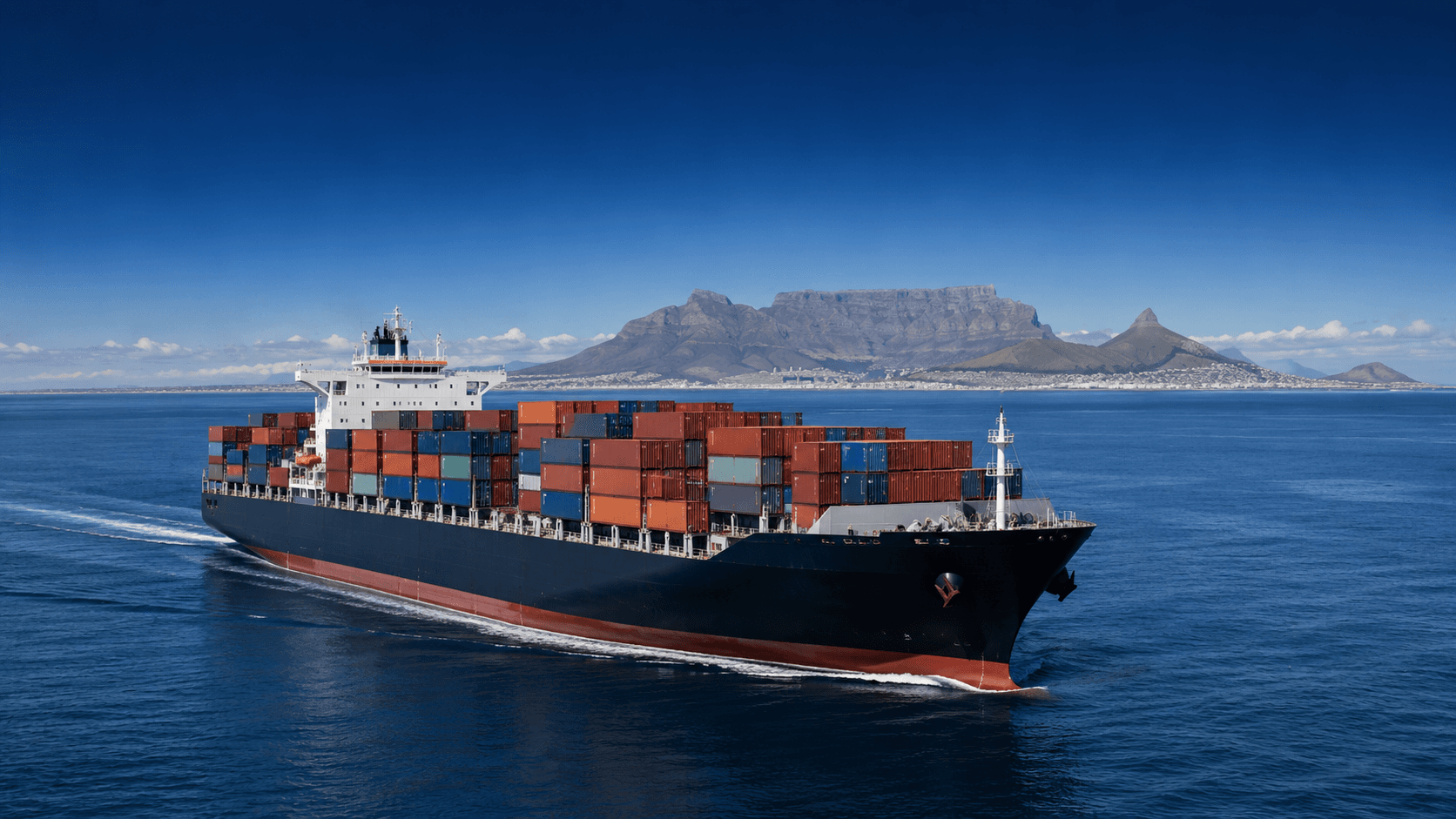
The Red Sea double closure continues to reshape food ingredient logistics between Asia and Europe despite improving Gulf shipping conditions. Procurement teams now face longer transit times, higher freight costs and new sourcing strategies as Cape routing remains the only practical option.

Trade disruptions across the Middle East have accelerated a major shift in global polymer sourcing. This analysis explains how new trade routes are influencing procurement strategies, regional suppliers and long-term purchasing decisions for chemical buyers.
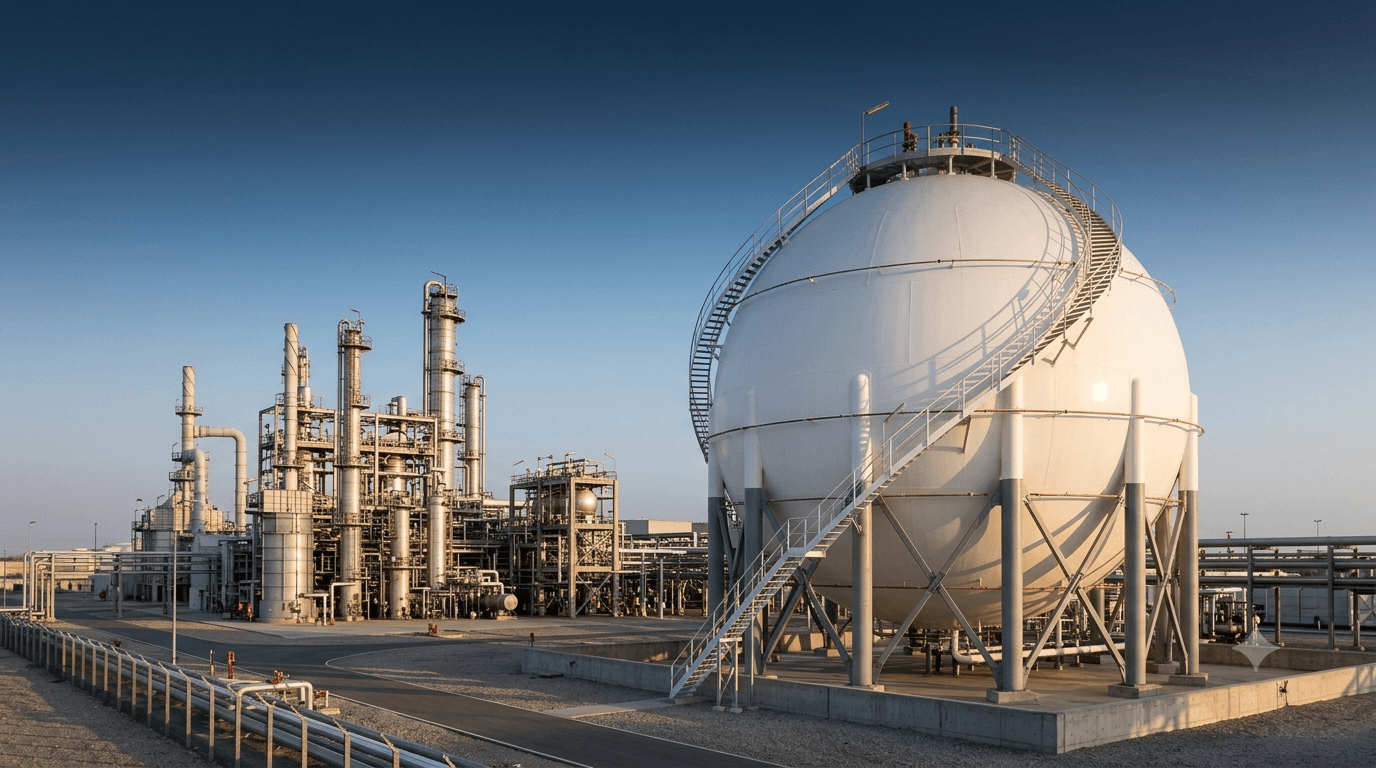
Singapore's PCS force majeure declaration reshaped supply planning for petrochemical buyers across Asia. As Middle East shipping conditions improve, procurement teams now face important decisions on contract renegotiation, delivery schedules and pricing.
Chúng tôi cam kết bảo vệ quyền riêng tư của bạn. Tradeasia sử dụng thông tin bạn cung cấp để liên hệ với bạn về nội dung, sản phẩm và dịch vụ liên quan. Để biết thêm thông tin, vui lòng xem chính sách quyền riêng tư của chúng tôi.