Overview of the Duty Reinstatement
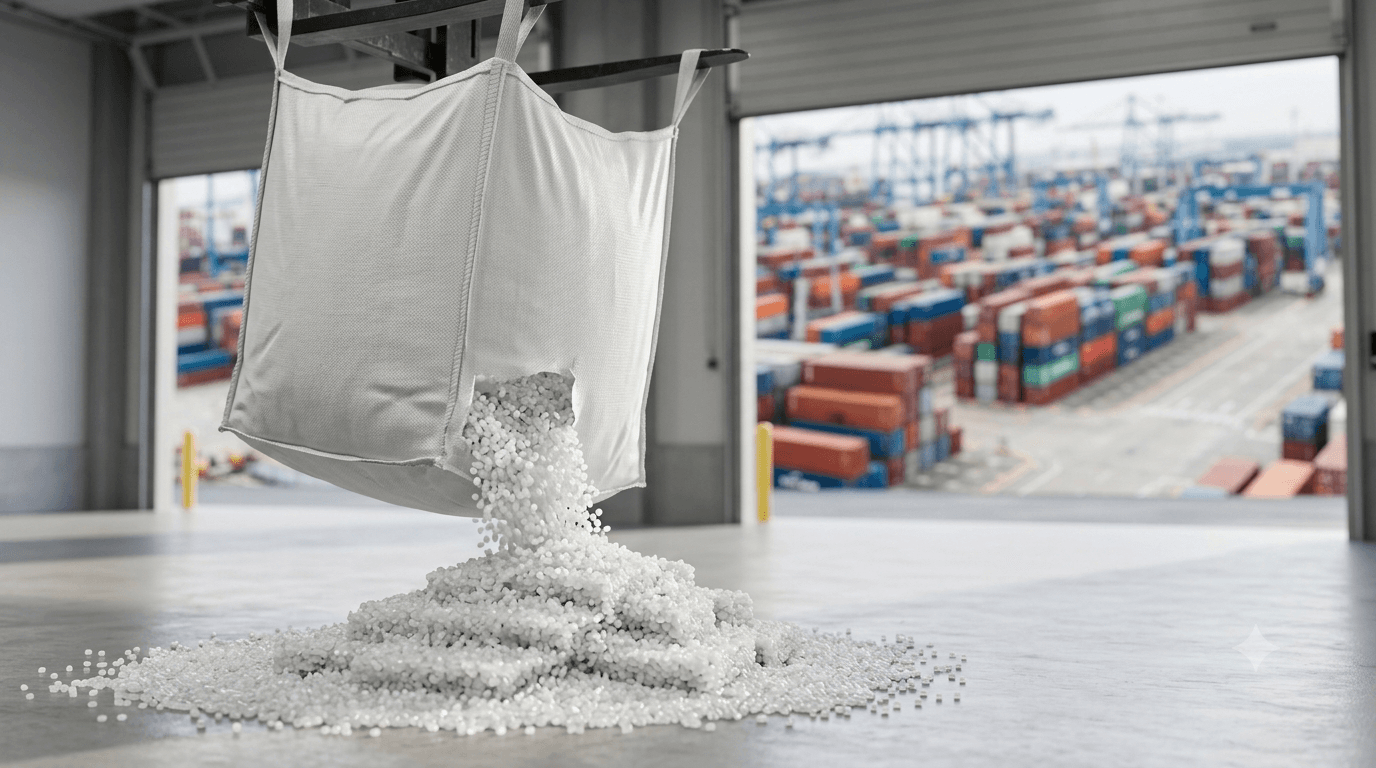
The India chemical imports landscape has changed overnight. The government has lifted the temporary duty exemptions that had been in place since the global supply shock, bringing back petrochemical tariffs India had temporarily paused. As a result, the effective cost of key feedstocks such as polypropylene (PP), polyethylene (PE), monoethylene glycol (MEG), and purified terephthalic acid (PTA) has surged. While global commodity prices have softened, the reinstated customs duties immediately inflate the price of imported chemicals, impacting the entire value chain.
Impact on the Plastics and Packaging Sector
Polymer converters and packaging manufacturers are the first to feel the pinch. PP and PE are the backbone of consumer packaging, and the higher import duties force companies to reassess their cost sheets. Many firms are now considering the following options:
- Supplier Diversification – Expanding the supplier base to include domestic producers or lower‑duty export markets.
- Process Optimization – Investing in energy efficiency and waste reduction to offset cost increases.
- Margin Adjustments – Passing a portion of the cost onto end‑customers while protecting core margins.
Packaging designers are also revisiting material specifications, exploring alternative polymers with lower duty exposure or developing multi‑layer composites that reduce overall chemical usage.
Textile Manufacturers’ Response
For the textile industry, MEG and PTA are the lifeblood of polyester production. The duty reinstatement means higher raw material costs, which could erode export competitiveness in Q3. Textile firms are adopting a two‑pronged strategy:
- Feedstock Substitution – Integrating recycled polyester (rPET) and other blended fibers to dilute the impact of high MEG and PTA prices.
- Export Pricing Adjustments – Negotiating with buyers for premium pricing or long‑term contracts that lock in rates before further tariff hikes.
Additionally, many manufacturers are exploring vertical integration by setting up in‑house polymer conversion units to capture more value and reduce reliance on expensive imports.
Pharmaceutical Packaging Challenges
In the pharma sector, polymer‑based containers, blister packs, and specialty packaging are critical for drug safety and shelf life. The increased cost of PP and PE has prompted manufacturers to:
- Material Innovation – Testing biodegradable polymers that may qualify for duty exemptions.
- Supplier Negotiation – Leveraging bulk purchasing agreements to secure lower rates.
- Cost‑Allocation Models – Shifting some packaging costs to higher‑margin drug lines to maintain overall profitability.
Regulatory compliance remains unchanged, but the financial pressure is prompting faster adoption of cost‑effective packaging solutions.
Automotive Component Adjustments
Automotive parts manufacturers rely heavily on injection‑molded PP components such as bumpers, dashboards, and interior trim. The duty reinstatement forces the sector to re‑evaluate procurement plans. Key actions include:
- Alternative Materials – Exploring high‑strength composites and recycled PP blends.
- Supply Chain Resilience – Building buffer stocks of critical feedstocks to smooth out price swings.
- Design Re‑engineering – Reducing part complexity to lower polymer usage without compromising performance.
Automakers are also lobbying for clearer tariff forecasting to aid long‑term planning.
Strategic Outlook for India Chemical Imports
While the immediate impact of customs duty reinstatement is a cost shock, the market is poised for a new equilibrium. Companies that invest in domestic polymer production, recycling infrastructure, and supply chain diversification will be better positioned to absorb tariff hikes. The sector’s resilience will hinge on the ability to innovate in both materials and processes.
In the coming months, stakeholders will closely monitor government policy, global commodity trends, and domestic production incentives. By proactively adjusting their strategies, Indian chemical manufacturers can navigate the post‑waiver landscape and sustain competitiveness in an increasingly price‑sensitive market.
2-Ethylhexyl Acrylate CAS: 103-11-7