
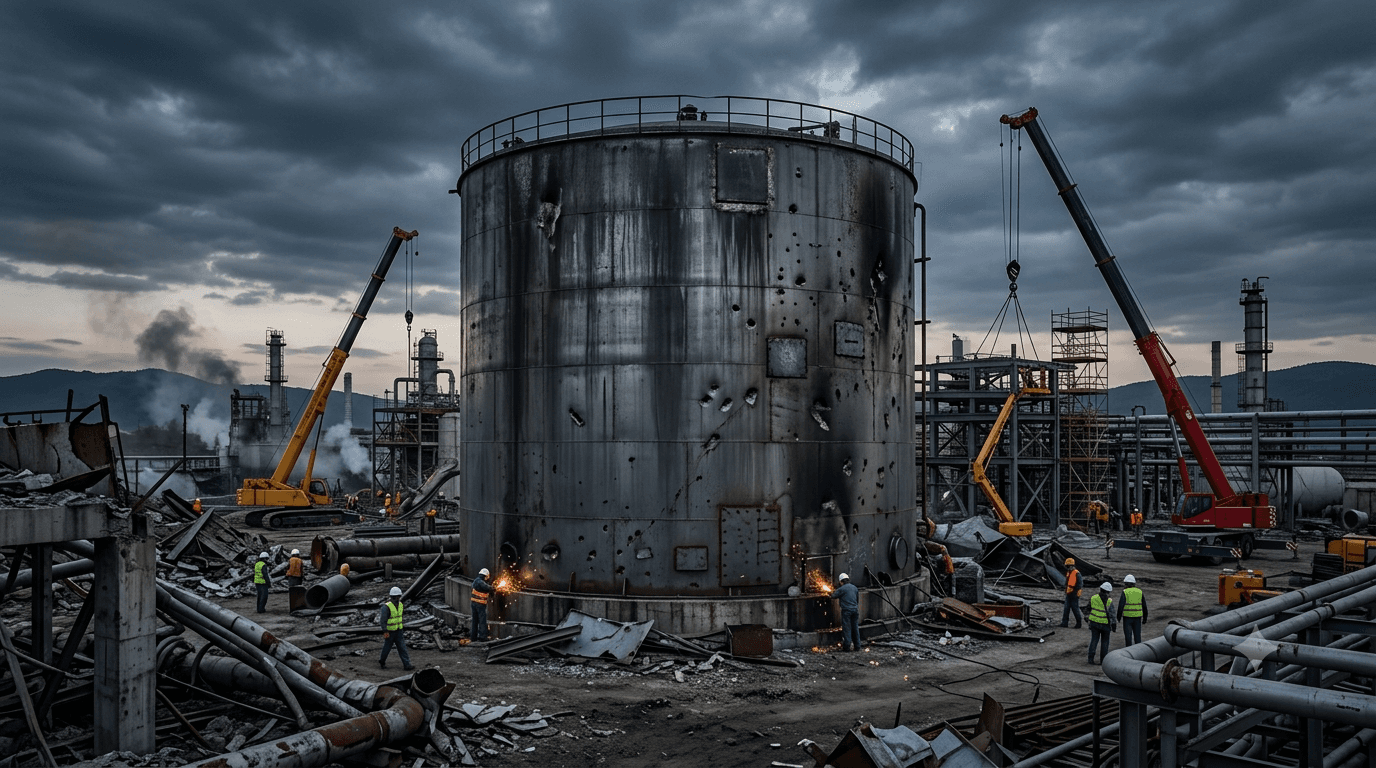
Few chemical market events in recent history have altered global trade flows as dramatically as the destruction of Iran's petrochemical infrastructure during the Hormuz War. Reports indicating that approximately 85% of Iran's petrochemical production capacity was damaged or destroyed have transformed one of the world's largest export-oriented chemical industries into a major reconstruction project.
For chemical buyers, traders and procurement teams, the significance extends far beyond Iran's borders. The loss of Iranian production capacity removes a major supplier of methanol, urea, ammonia, polyethylene and other petrochemical products from international markets for an extended period. Even if political agreements stabilize the region, rebuilding large-scale chemical assets requires years rather than months.
The result is a structural shift in supply chains that could influence pricing, sourcing strategies and investment decisions well into 2027 and beyond.
Why Iran's Petrochemical Industry Matters to Global Trade
Before the conflict, Iran ranked among the world's most important petrochemical producers. Its competitive advantage came from abundant natural gas reserves, integrated industrial complexes and access to export markets across Asia, the Middle East and parts of Africa.
Iran supplied substantial volumes of:
Methanol used in chemicals, fuels and industrial manufacturing.
Urea and ammonia consumed by agricultural markets worldwide.
Polyethylene and other polymers used in packaging, construction and consumer products.
Intermediate petrochemical feedstocks supporting regional manufacturing sectors.
These exports allowed buyers to diversify supply sources while benefiting from competitive pricing linked to Iran's low-cost gas resources.
Mahshahr and Asaluyeh: The Heart of Iran's Chemical Production
The scale of disruption becomes clearer when examining the facilities affected.
Mahshahr served as one of Iran's largest petrochemical export centers, housing major production plants and logistics infrastructure. Asaluyeh functioned as the country's flagship energy and petrochemical zone, integrating natural gas processing with downstream chemical manufacturing.
Together, these hubs represented the backbone of Iran's export-oriented petrochemical economy. Damage across these industrial zones affects not only production units but also storage terminals, utilities, transportation links and export infrastructure.
Rebuilding such interconnected assets requires significant engineering work, imported equipment and long project timelines.
Methanol Market Faces the Most Immediate Supply Shock
Among all affected products, methanol may experience the most visible global impact.
Iran had become one of the world's leading methanol exporters, shipping substantial volumes into Asian markets. The sudden disappearance of Iranian supply tightens global availability at a time when demand continues across multiple industries.
Key implications include:
Buyers in Asia may increasingly compete for volumes from other major exporters.
Spot market volatility could remain elevated until replacement capacity emerges.
Traders may place greater emphasis on long-term contracts to secure supply certainty.
Producers in other regions may gain stronger pricing power.
The market challenge stems from the fact that large-scale methanol facilities cannot be replaced quickly. New projects often require several years from investment decision to commercial operation.
Fertilizer Supply Chains Enter a New Phase
The fertilizer sector faces a different but equally important challenge.
Iran historically exported meaningful quantities of ammonia and urea into international markets. These products play a critical role in agricultural production and food security.
With Iranian output largely absent, buyers must increasingly rely on alternative suppliers.
Several regions may benefit from this shift:
Middle Eastern producers with available export capacity could capture additional market share.
North African exporters may strengthen their position in fertilizer trade routes.
Producers in Central Asia could see improved demand from regional buyers.
Asian fertilizer manufacturers may operate at higher utilization rates to fill supply gaps.
The impact extends beyond pricing. Procurement teams must also evaluate logistics availability, shipping routes and supplier reliability as trade flows adjust.
Reconstruction Funding Creates a Massive Industrial Opportunity
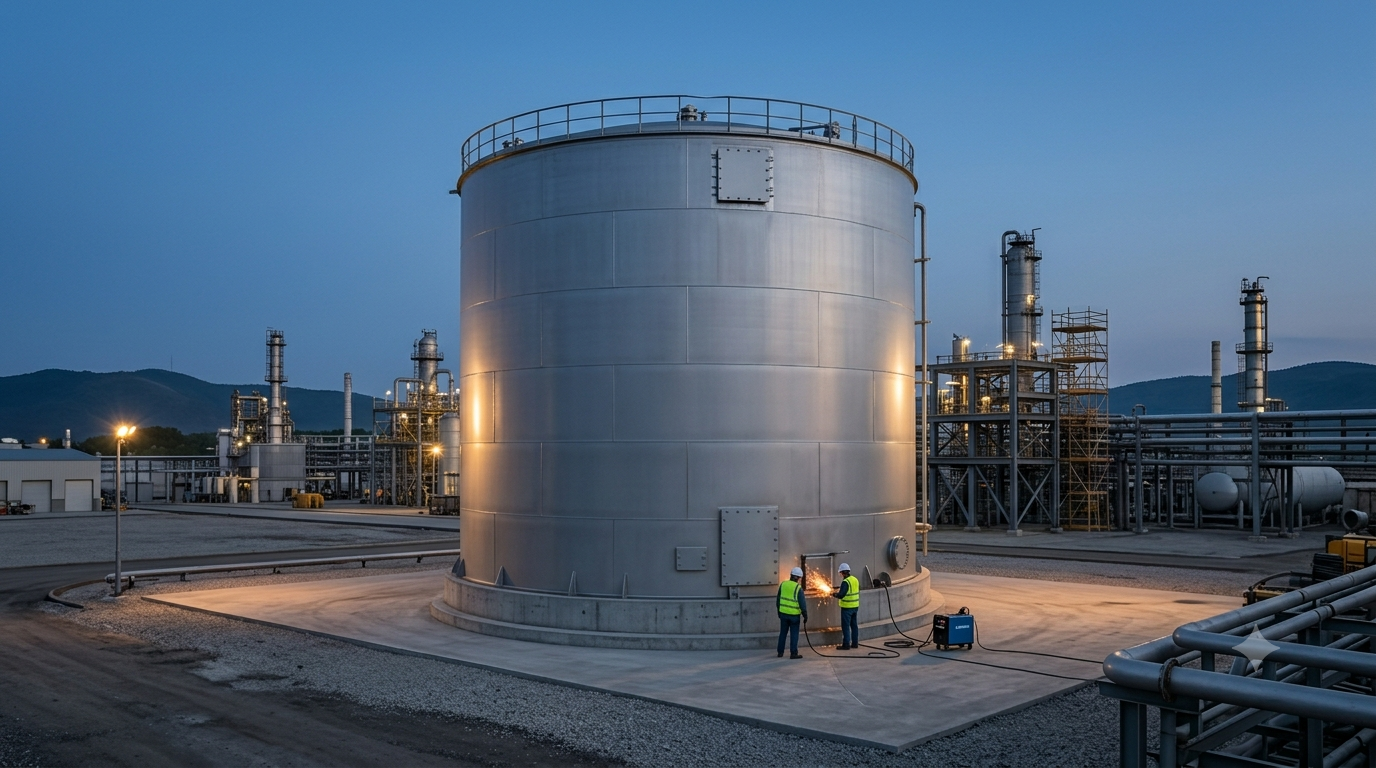
While the destruction represents a major loss for current production, it also creates one of the largest industrial rebuilding programs in the chemical sector.
Discussion surrounding a reconstruction framework reportedly valued at approximately $300 billion highlights the scale of investment that may eventually enter the region.
For engineering contractors, equipment suppliers and industrial technology providers, potential opportunities could include:
Construction of new petrochemical production units.
Replacement of damaged storage and export facilities.
Modernization of utilities and power systems.
Installation of advanced automation technologies.
Development of more efficient and environmentally compliant plants.
In many cases, reconstruction may result in facilities that are technologically superior to those they replace.
Polyethylene and Polymer Markets Feel Secondary Effects
Methanol and fertilizers attract most attention, but polymer markets also face consequences.
Iran supplied polyethylene grades used across packaging, infrastructure and manufacturing applications. Reduced output may tighten availability in some regional markets, particularly where buyers relied heavily on Iranian material.
Procurement managers should monitor:
Changes in regional polyethylene pricing.
Export policies from competing suppliers.
Shipping availability from alternative origins.
Inventory levels among major distributors.
Although global polymer markets generally possess greater diversification than methanol markets, prolonged disruptions can still influence regional supply balances.
Which Countries Stand to Gain Market Share?
Whenever a major supplier exits the market, competitors move to capture displaced demand.
Several exporting regions appear positioned to benefit from Iran's absence.
Countries with strong natural gas resources and existing petrochemical infrastructure could increase exports across methanol, ammonia and fertilizer segments. Established producers with available capacity enjoy the advantage of responding immediately without waiting for new projects.
Potential beneficiaries include:
Gulf producers outside Iran.
North African chemical exporters.
Selected Central Asian producers.
Southeast Asian methanol suppliers.
Major global fertilizer exporters.
The degree of benefit will depend on existing capacity utilization rates and each producer's ability to expand output efficiently.
Procurement Risks During the Rebuild Period
For buyers, the primary challenge is uncertainty.
Even if reconstruction funding becomes available quickly, industrial projects of this scale face numerous obstacles including engineering complexity, permitting requirements, equipment procurement and workforce availability.
Procurement teams should avoid assuming that Iranian exports will return rapidly.
Several risk factors deserve attention:
Project delays caused by financing or logistics constraints.
Extended commissioning timelines for new facilities.
Potential shortages of specialized equipment.
Regulatory and geopolitical uncertainties.
Continued volatility in regional shipping routes.
The most important procurement assumption may be that Iranian production remains effectively absent for at least 12 to 18 months.
Organizations that plan around this scenario are likely to make more resilient sourcing decisions.
How Chemical Buyers Should Adapt Their Sourcing Strategy
The current environment rewards proactive procurement rather than reactive purchasing.
Many buyers spent years benefiting from abundant global supply. The removal of a major producer changes that equation.
Practical actions include:
Diversify supplier portfolios across multiple regions.
Negotiate medium-term agreements where supply security matters most.
Review inventory policies for strategically important products.
Monitor new production projects entering the market.
Strengthen relationships with established distributors and traders.
Buyers that rely heavily on spot markets may experience greater exposure to volatility than those maintaining broader sourcing networks.
Looking Ahead to 2027
The future of Iran's petrochemical sector depends not only on reconstruction funding but also on execution. Building world-scale chemical infrastructure requires time, capital and technical expertise.
Even under optimistic conditions, restoring export capacity across methanol, ammonia, urea and polymer chains will likely occur in stages rather than all at once. Some facilities may return sooner while others require extensive redevelopment.
For global chemical markets, the key takeaway remains clear. The Hormuz War did not merely interrupt supply. It removed a major producer from international trade for an extended period and forced buyers to rethink sourcing strategies.
The reconstruction story may eventually become one of the largest industrial recovery efforts in the chemical sector. Until that happens, traders, importers and procurement managers must navigate a market shaped by reduced Iranian output, shifting trade flows and heightened competition for available supply.
Methanol CAS: 67-56-1