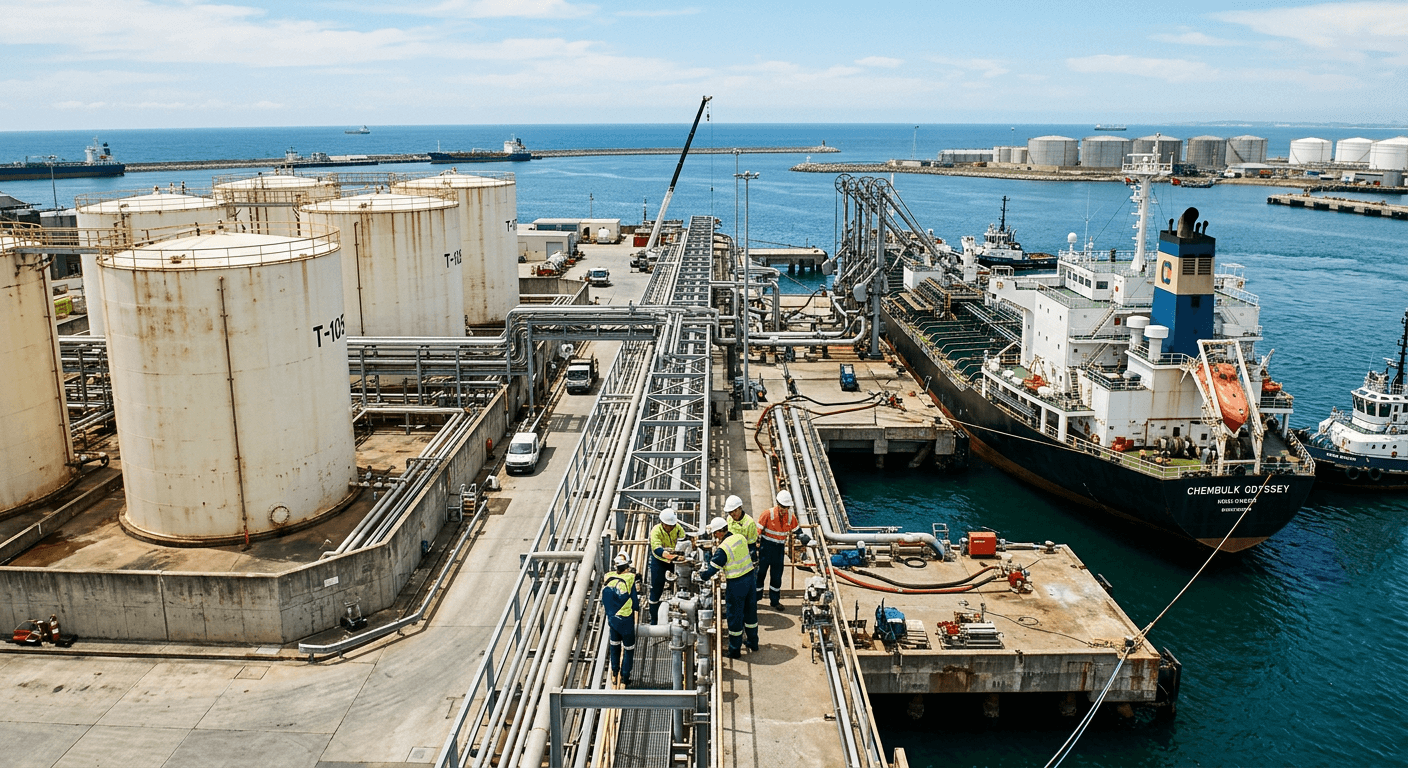
Soda ash buyers are entering a new pricing environment as Brent crude falls below pre-crisis levels and shipping costs begin to ease. At $72.60 per barrel, crude has moved below its pre-war level, creating the first meaningful relief for freight-intensive chemical trade since February 2026.
For soda ash importers, the impact is not only about raw material pricing. Transportation costs have become a major part of delivered chemical costs, especially for shipments affected by longer Cape of Good Hope routing requirements.
As bunker fuel prices decline, buyers in Europe and Asia may gain stronger negotiation opportunities for Q3 contracts.
Why Freight Costs Became a Major Soda Ash Pricing Factor
Soda ash is a high-volume industrial chemical used across several major industries. Because shipments often involve large quantities, logistics costs can significantly influence the final delivered price.
During the recent supply disruption period, alternative shipping routes increased transportation expenses. Longer voyages created higher fuel consumption, additional sailing time and increased carrier charges.
For buyers importing soda ash from China, especially from regions with surplus production capacity such as Inner Mongolia, freight became a critical pricing component.
The market challenge was not only product availability but also the total cost of moving material internationally.
How Lower Brent Prices Affect Soda Ash Delivered Costs
Fuel prices directly influence maritime transportation economics. When crude prices decline, bunker fuel costs typically follow, reducing pressure on shipping expenses.
A sustained Brent price below $72 could reduce Cape routing bunker surcharges by an estimated $200 to $400 per TEU within approximately 4 to 8 weeks.
For chemical buyers, this creates potential savings across large-volume imports.
The cost impact can appear through:
Lower carrier fuel adjustments.
Reduced freight premiums on longer routes.
Improved competitiveness of imported soda ash.
Better supplier negotiation positions.
The timing depends on carrier pricing updates and contract structures.
China Soda Ash Supply Gains More Competitive Position
China remains an important source of global soda ash supply, with production capacity supporting international markets.
During the freight disruption period, Chinese exporters faced higher delivered costs because transportation expenses reduced their competitiveness in some regions.
As shipping costs improve, Chinese-origin soda ash may become more attractive again for buyers comparing global supply options.
This could influence:
European import purchasing decisions.
Asian regional trade flows.
Supplier competition during contract negotiations.
Lower logistics costs can change market dynamics even when production costs remain stable.
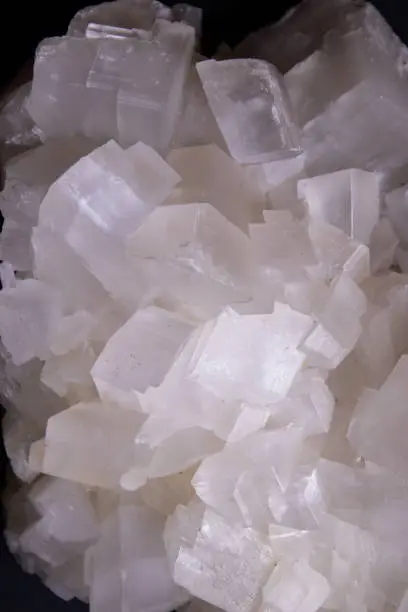
Impact on Glass, Detergent and Water Treatment Industries
Soda ash plays a vital role across several industrial sectors. Any change in delivered costs can influence manufacturers that operate with large-volume chemical consumption.
Key industries include:
Glass manufacturing, where soda ash is a primary raw material in production.
Detergent manufacturing, where it supports cleaning formulations.
Water treatment, where it helps manage chemical processing requirements.
For these buyers, freight relief may provide an opportunity to renegotiate contracts and improve cost structures.
Q3 Contract Negotiations Become More Important
July and August could represent the first significant opportunity for buyers to negotiate lower freight-inclusive soda ash prices since the crisis period began.
However, procurement teams should focus on total contract value rather than only product price.
Important discussion points include:
Updated bunker surcharge schedules.
Revised freight assumptions.
Delivery timelines.
Supplier flexibility.
Volume commitments.
Carrier bunker surcharge updates expected in early July will be a key market indicator.
What Procurement Teams Should Monitor
A lower freight environment creates opportunities, but buyers should continue tracking several factors before making decisions.
Key market signals include:
Brent crude stability.
Carrier surcharge revisions.
Chinese export availability.
Regional demand from manufacturing industries.
Currency movements affecting import costs.
Procurement decisions should reflect the full supply chain picture.
The Balance Between Raw Material and Logistics Costs
Chemical buyers often focus heavily on product pricing, but freight can sometimes create larger cost changes than the chemical itself.
The soda ash market demonstrates how logistics disruptions can reshape global trade patterns.
When transportation costs rise, local or alternative suppliers may gain an advantage. When freight costs decline, international suppliers can become more competitive again.
Understanding this balance helps buyers identify better sourcing opportunities.
Long-Term Implications for Global Soda Ash Trade
The current freight recovery could influence global soda ash trade beyond short-term contracts.
Importers may reconsider previous sourcing strategies if shipping costs remain stable.
Potential market changes include:
More competition among international suppliers.
Greater flexibility in sourcing decisions.
Increased focus on delivered cost comparisons.
Renewed interest in global supply options.
The next few months will show whether freight relief becomes a temporary adjustment or a longer-term trend.
Looking Ahead to Q3 2026 Soda Ash Markets
Lower Brent prices have created a more favorable environment for soda ash buyers, especially those dependent on long-distance imports.
The combination of reduced bunker costs, recovering trade routes and competitive global supply could improve purchasing conditions.
However, buyers should continue monitoring carrier updates and market movements before finalizing long-term agreements.
The Bottom Line for Soda Ash Buyers
The soda ash market is entering a period where freight economics may shift back in favor of buyers. Lower crude prices are creating room for reduced shipping costs and improved contract discussions.
Procurement teams should review Q3 offers carefully, compare freight-inclusive pricing and use current market changes to strengthen sourcing strategies.
Ready to source soda ash from verified global suppliers? Explore competitive offers on our platform today.
Soda Ash Dense - Bosnia CAS: 497-19-8