Sustainable Packaging Chemicals: Life After Single-Use Plastics
Introduction
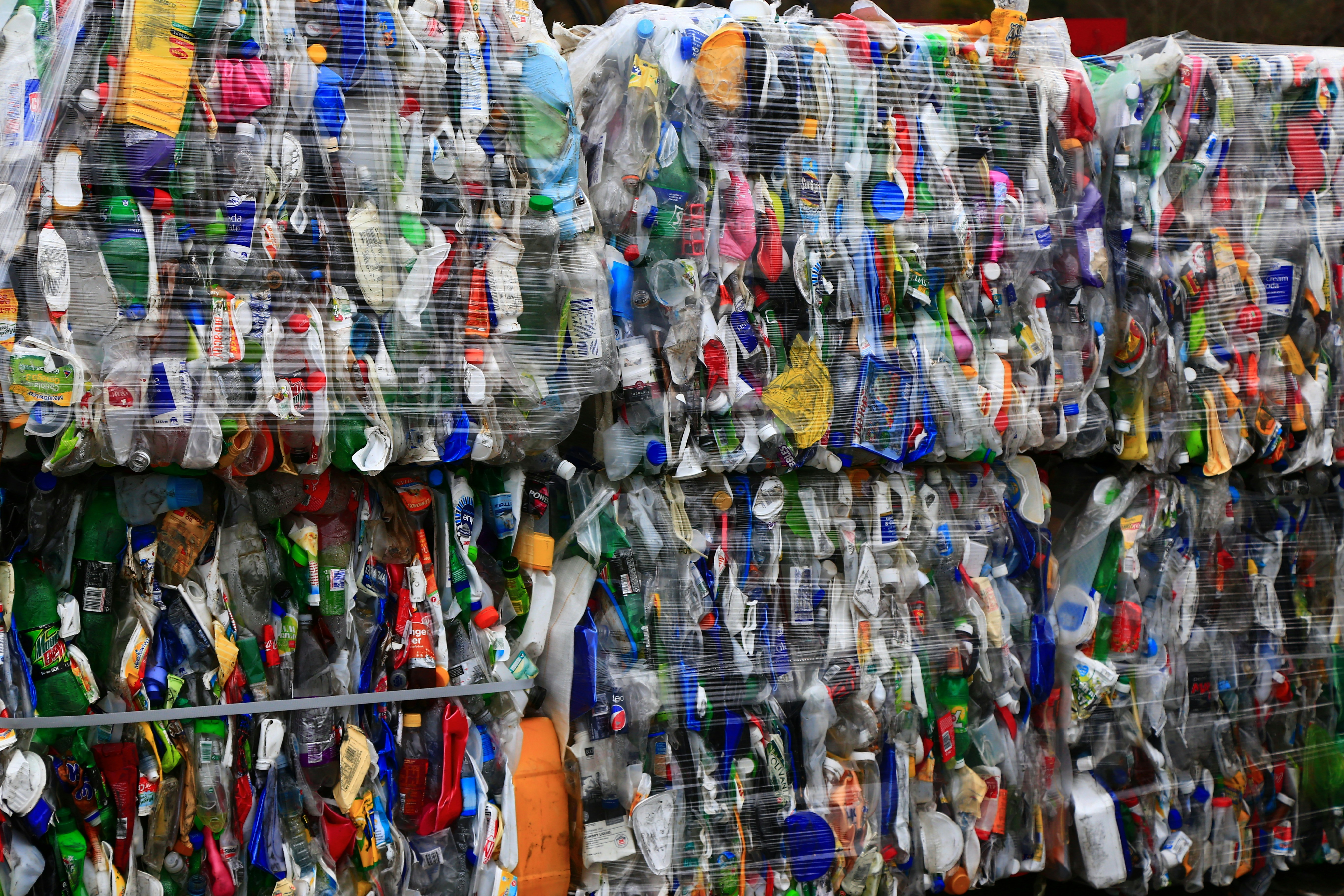
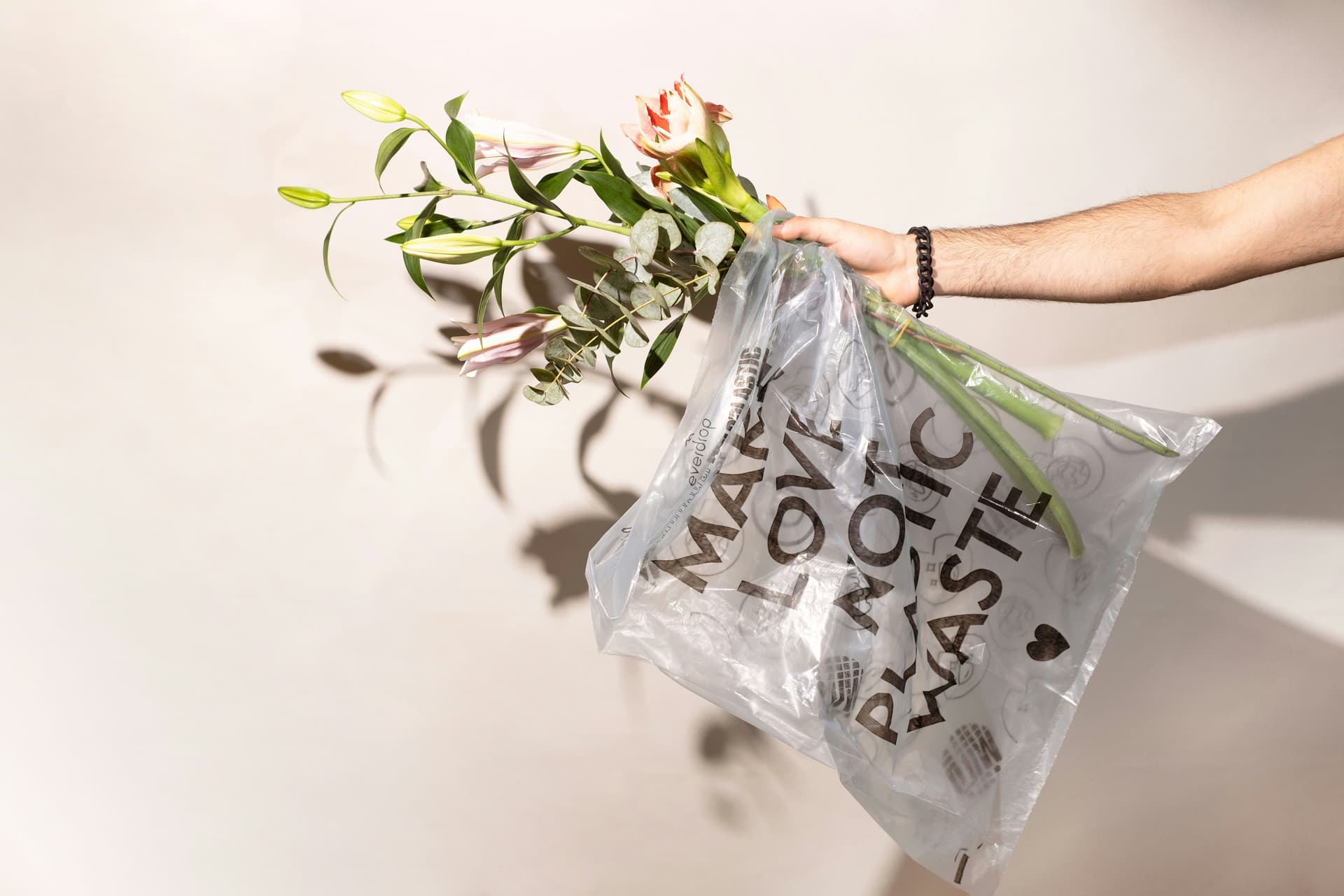
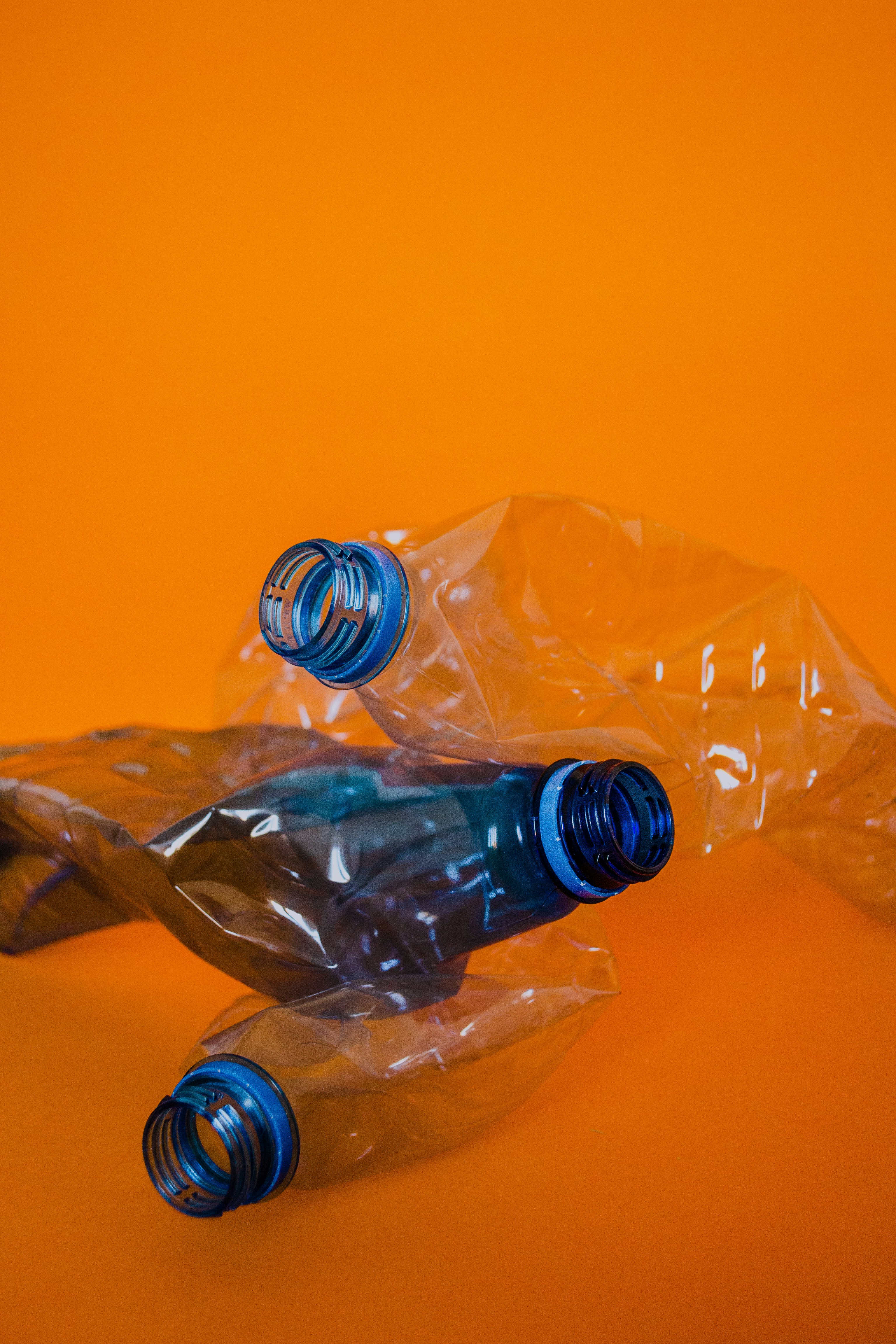
For decades, single-use plastics have dominated the global packaging industry due to their affordability, durability, and versatility. From food containers and shopping bags to beverage bottles and protective wrapping, plastic packaging has become deeply embedded in modern supply chains. However, growing concerns about plastic pollution, landfill waste, marine litter, and carbon emissions have accelerated the search for more sustainable alternatives.
As governments introduce stricter regulations and consumers increasingly demand environmentally responsible products, the packaging industry is undergoing a major transformation. Sustainable packaging chemicals are emerging as a key enabler of this shift, helping manufacturers develop innovative materials that reduce environmental impact while maintaining performance and cost-effectiveness.
The question is no longer whether the world will move beyond single-use plastics, but what comes next.
The Growing Pressure on Single-Use Plastics
Single-use plastics have come under intense scrutiny due to several environmental challenges:
Persistent plastic waste accumulation
Ocean and marine ecosystem pollution
Limited recycling rates
Dependence on fossil-based feedstocks
Greenhouse gas emissions throughout the product lifecycle
Many countries have introduced bans, taxes, or restrictions on plastic bags, disposable cutlery, food containers, and other single-use products. These regulations are pushing manufacturers to explore alternative materials and chemical solutions for sustainable packaging.
What Are Sustainable Packaging Chemicals?
Sustainable packaging chemicals are substances, additives, polymers, coatings, and feedstocks used to create environmentally friendly packaging materials. These chemicals are designed to improve recyclability, compostability, biodegradability, resource efficiency, and overall sustainability.
They play a critical role in developing packaging solutions that meet both environmental goals and functional requirements such as strength, barrier protection, durability, and food safety.
Key Categories of Sustainable Packaging Chemicals
1. Bio-Based Polymers
Bio-based polymers are derived from renewable resources rather than fossil fuels. Common feedstocks include:
Corn starch
Sugarcane
Cellulose
Vegetable oils
Agricultural waste
Popular bio-based packaging materials include:
Polylactic Acid (PLA)
Polyhydroxyalkanoates (PHA)
Bio-based Polyethylene (Bio-PE)
Bio-based Polyethylene Terephthalate (Bio-PET)
These materials help reduce reliance on petroleum-based plastics while supporting lower-carbon manufacturing processes.
2. Biodegradable and Compostable Materials
Biodegradable packaging chemicals enable materials to break down naturally under specific environmental conditions.
Advantages include:
Reduced long-term waste accumulation
Lower environmental persistence
Support for industrial composting systems
However, successful implementation requires proper collection and composting infrastructure to ensure environmental benefits are realized.
3. Advanced Barrier Coatings
Traditional plastic packaging often relies on multiple layers of materials to provide moisture, oxygen, and contamination protection. Sustainable chemical innovations are producing water-based and bio-based barrier coatings that can deliver similar performance while improving recyclability.
Applications include:
Food packaging
Beverage cartons
Flexible packaging
Paper-based packaging solutions
4. Recyclability-Enhancing Additives
Chemical additives are increasingly being designed to improve the recycling performance of packaging materials.
Examples include:
Compatibilizers for mixed plastic streams
De-inking agents
Adhesive removal technologies
Sorting-enhancing markers
Polymer stabilization additives
These innovations help increase recycling efficiency and material recovery rates.
5. Chemical Recycling Feedstocks
Advanced recycling technologies are creating new opportunities for sustainable packaging. Chemical recycling converts plastic waste into valuable feedstocks that can be used to produce new packaging materials with near-virgin quality.
This approach supports circular economy objectives by reducing the need for virgin fossil-based resources.
Industries Driving Sustainable Packaging Innovation
Food and Beverage
The food and beverage industry is among the largest users of packaging materials and has become a major driver of sustainable packaging adoption. Brands are increasingly seeking recyclable, compostable, and renewable packaging solutions that meet both consumer expectations and regulatory requirements.
Consumer Goods
Manufacturers of personal care, household, and consumer products are investing heavily in sustainable packaging to strengthen brand image and achieve corporate sustainability goals.
E-Commerce
The rapid growth of online retail has increased demand for sustainable shipping materials, protective packaging, and recyclable delivery solutions.
Healthcare and Pharmaceuticals
Although regulatory requirements remain strict, pharmaceutical companies are exploring innovative packaging materials that balance sustainability with product safety and performance.
Challenges on the Road Ahead
Despite significant progress, several barriers remain.
Cost Competitiveness
Many sustainable packaging materials remain more expensive than conventional plastic alternatives, limiting adoption in price-sensitive markets.
Infrastructure Limitations
Composting, recycling, and waste collection systems vary significantly across regions, affecting the effectiveness of sustainable packaging solutions.
Performance Requirements
Certain applications require high levels of durability, barrier protection, and shelf-life performance that can be difficult to achieve with some sustainable materials.
Consumer Education
Confusion regarding recyclability, compostability, and disposal methods can reduce the environmental benefits of alternative packaging solutions.
The Role of Circular Economy Principles
The future of packaging extends beyond simply replacing one material with another. Circular economy strategies focus on keeping materials in use for as long as possible through:
Reuse systems
Recycling programs
Material recovery initiatives
Design-for-recycling approaches
Renewable feedstock integration
Sustainable packaging chemicals are essential for enabling these circular systems and reducing waste generation throughout the product lifecycle.
Future Outlook
Innovation in sustainable packaging chemicals is accelerating rapidly. Advances in biotechnology, green chemistry, polymer science, and recycling technologies are expected to produce materials with improved performance, lower environmental impact, and greater affordability.
Governments, brands, and consumers are increasingly aligned in their desire to reduce plastic waste and carbon emissions. As regulations tighten and sustainability becomes a competitive necessity, investment in sustainable packaging solutions is expected to continue growing.
The packaging industry of the future will likely feature a diverse mix of recyclable, compostable, reusable, and bio-based materials supported by advanced chemical technologies and circular economy infrastructure.
Conclusion
The era of unrestricted single-use plastic packaging is gradually coming to an end. Environmental concerns, regulatory pressures, and changing consumer expectations are driving the development of sustainable packaging chemicals that offer viable alternatives to traditional plastics.
From bio-based polymers and biodegradable materials to advanced coatings and chemical recycling feedstocks, innovative chemical solutions are reshaping the packaging landscape. While challenges related to cost, infrastructure, and performance remain, continued technological progress is paving the way for a more sustainable future.
Life after single-use plastics will not be defined by a single replacement material but by a portfolio of sustainable chemical innovations designed to support a circular, low-carbon, and resource-efficient packaging ecosystem.
Polyaluminium Chloride (Industrial) - China CAS: 1327-41-9