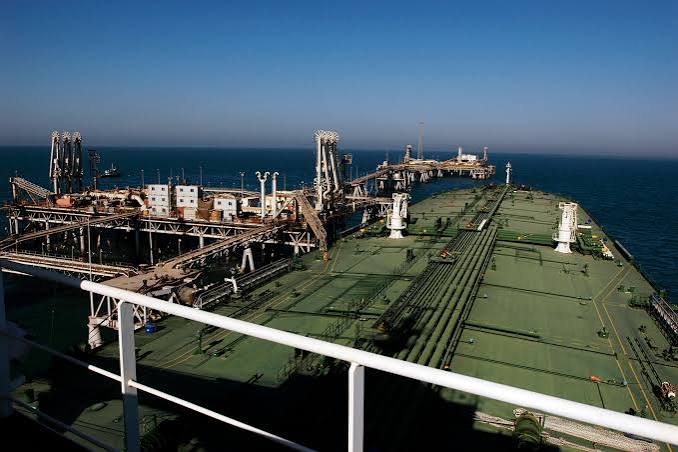
Cocamidopropyl Betaine CAS: 61789-40-0
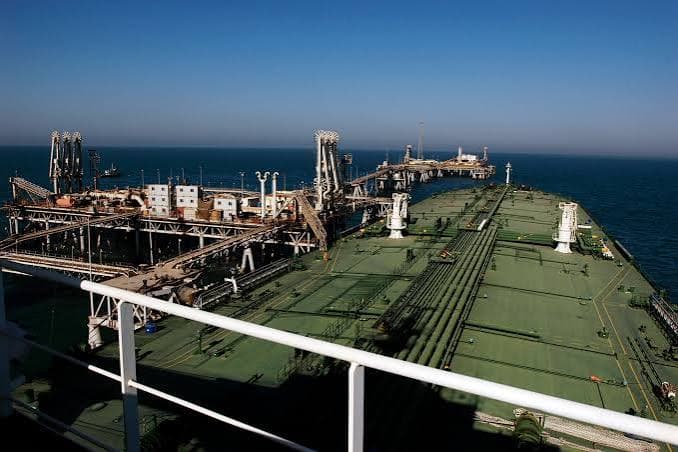
Cocamidopropyl Betaine CAS: 61789-40-0

The recent persistence of DAP price strength underscores a tightening phosphate supply chain, heightened global fertilizer demand, and growing procurement risks for agriculture stakeholders. As phosphate trade remains constrained, buyers must reassess sourcing strategies amid volatile market conditions.

Venator Materials’ looming debt restructuring could reduce European TiO2 output, tightening supply for coatings, plastics, and paper. With Gulf feedstock constraints and high shipping costs, the industry faces higher lead times and costs. Buyers must now assess supplier stability as a core procurement factor.

The 2026 Hormuz crisis disrupted global chemical trade, but created major commercial winners. From OCP Morocco and Nutrien to Wanhua Chemical and US exporters, H1 2026 proved that supply chain disruption often shifts value rather than destroying it.

Chinese citric acid producers are reevaluating H2 2026 export contracts amid easing bunker fuel costs, which could lower freight expenses and reshape pricing dynamics. This shift may benefit global food additive buyers seeking cost‑effective imports.

The 2024 Hormuz crisis rattled global chemical markets, forcing buyers to rethink sourcing. Japan, India, South Korea, the GCC, and Germany were hardest hit, with soaring costs, shortages, and a shift toward diversified procurement. Read how each region adapted its strategy.
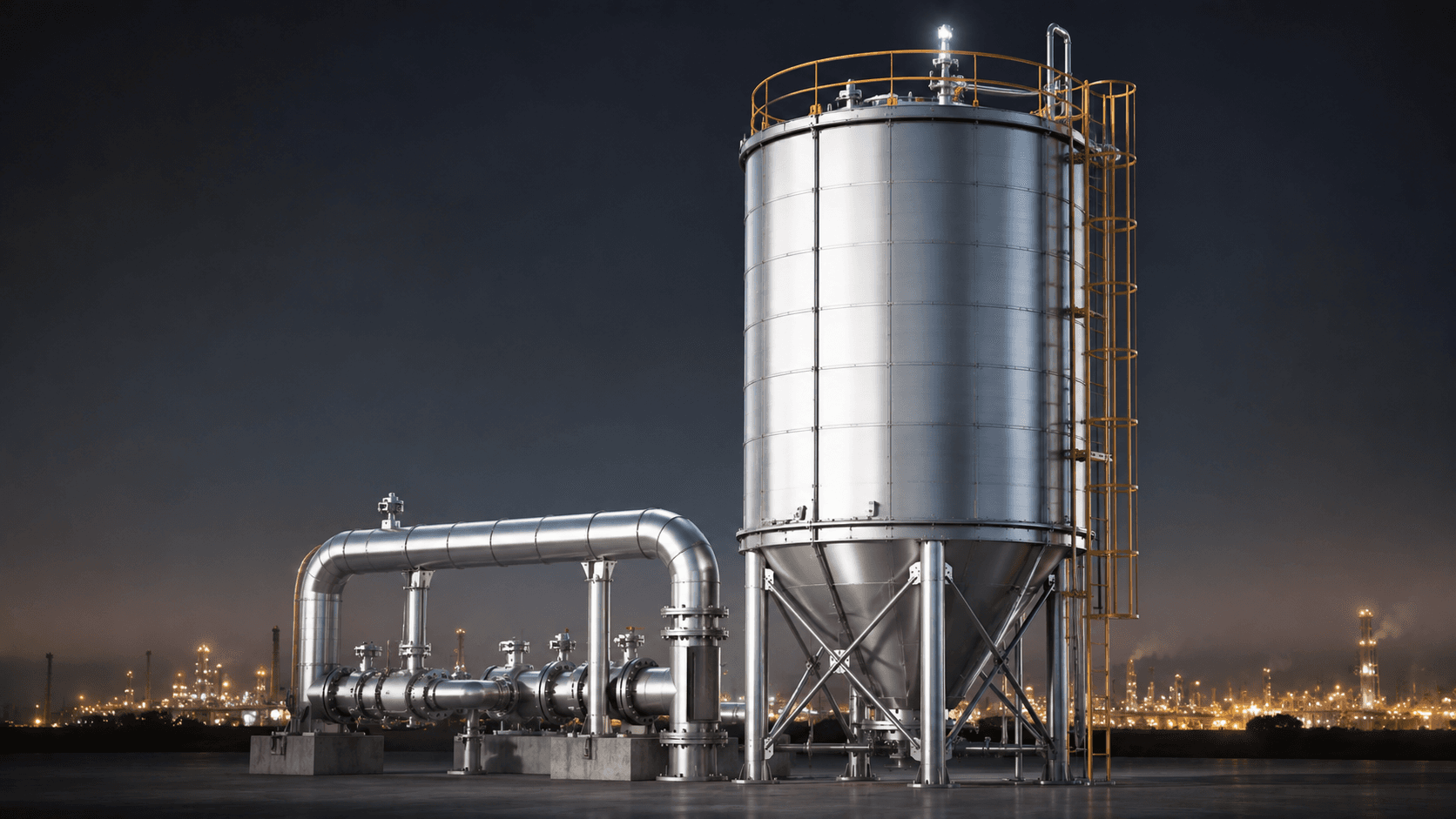
Mexico's Pemex has unveiled a $5.3 billion petrochemical and fertilizer reinvestment strategy aimed at dramatically expanding domestic output by 2030. While the plan could reshape regional fertilizer trade over the long term, buyers should not expect immediate relief for tight global nitrogen markets.
We're committed to your privacy. Tradeasia uses the information you provide to us to contact you about our relevant content, products, and services. For more information, check out our privacy policy.