
Related Insights
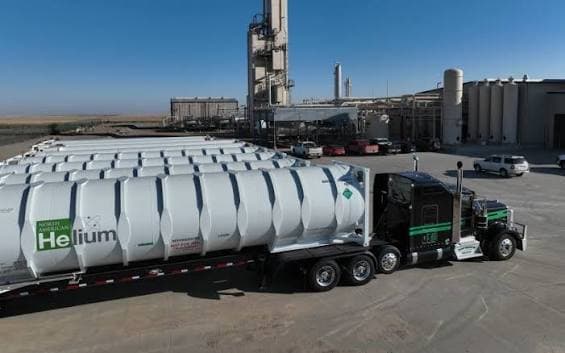
Helium: Qatar's LNG Halt and the Forgotten Supply Chain
The 2026 Hormuz crisis created one of the most overlooked commodity disruptions in global markets: helium. Damage to Qatar’s Ras Laffan LNG infrastructure reduced helium production capacity, creating a structural supply shortage that may persist for years even as shipping conditions across Hormuz begin improving.
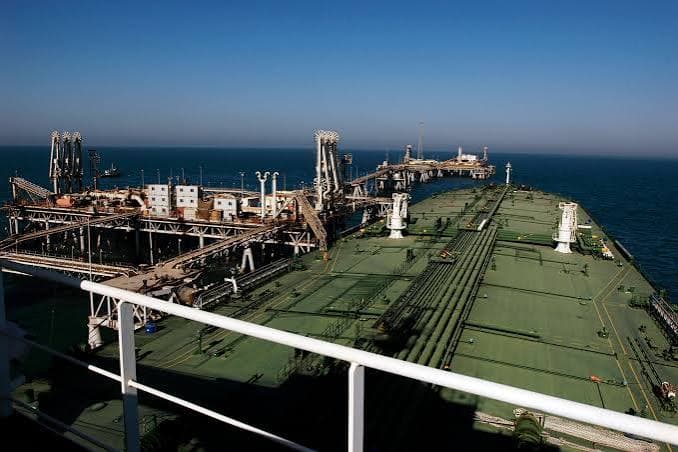
Iran’s “Service Fees”: What Toll-Based Passage Would Cost the Chemical Industry Annually
Iran’s proposal to charge “service fees” for Hormuz passage could permanently reshape the economics of global chemical trade. If transit charges become permanent, Gulf-origin chemical supply chains may face $500 million to $1.5 billion in additional annual costs that buyers will ultimately absorb through higher contract pricing.
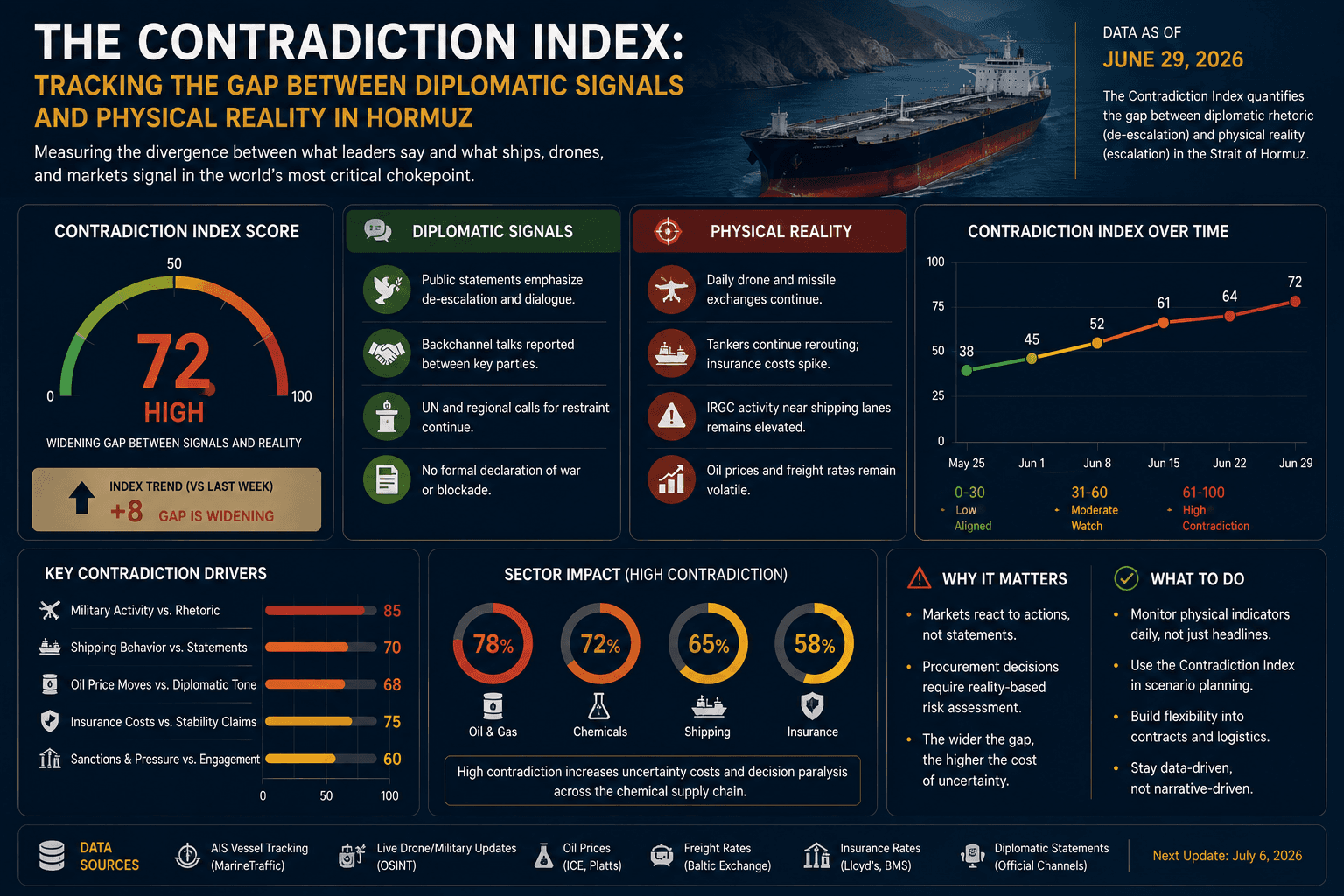
The Contradiction Index: Tracking the Gap Between Diplomatic Signals and Physical Reality in Hormuz
July 1 reveals the biggest contradiction of the Hormuz crisis so far: diplomacy suggests progress, but physical shipping data shows continued disruption. For chemical procurement professionals, understanding the gap between political signals and operational reality has become essential for making correct supply chain decisions.

South Korea Chemical Watch: Force Majeure Wind-Down and Q3 2026 Recovery
South Korea’s petrochemical sector is emerging from a wave of force majeure declarations as LG Chem, Lotte Chemical and Hanwha Solutions resume normal cracker operations. Naphtha and LPG supplies are stabilising, Brent crude is stabilising, and battery‑material chemicals such as NMP, PVDF and LiPF6 are seeing renewed demand. Global buyers must navigate contract renegotiations, delivery commitments and a tightening supply chain to secure competitive pricing and reliable logistics.
India Duty Waiver Ends Tonight, The Most Critical Monoethylene Glycol Procurement Moment of 2026
India's temporary customs duty exemption on Monoethylene Glycol expires at midnight, creating a major turning point for polyester manufacturers and chemical buyers. As Gulf supply improves and production costs ease, procurement teams must balance lower international prices against higher landed costs before finalizing Q3 purchasing strategies.

Electronic Chemicals: Semiconductor Demand Structural — Not Hormuz Dependent
Unlike many chemical markets affected by the Hormuz disruption, electronic chemicals remain constrained due to structural semiconductor demand driven by AI and advanced chip manufacturing. Buyers should not expect supply conditions to ease alongside broader chemical markets in H2 2026.
Don't miss out on our updates! Subscribe to our newsletter now
We're committed to your privacy. Tradeasia uses the information you provide to us to contact you about our relevant content, products, and services. For more information, check out our privacy policy.