Ammonium Bicarbonate (E503(ii)) CAS: 1066-33-7
Ammonium Bicarbonate (E503(ii)) CAS: 1066-33-7
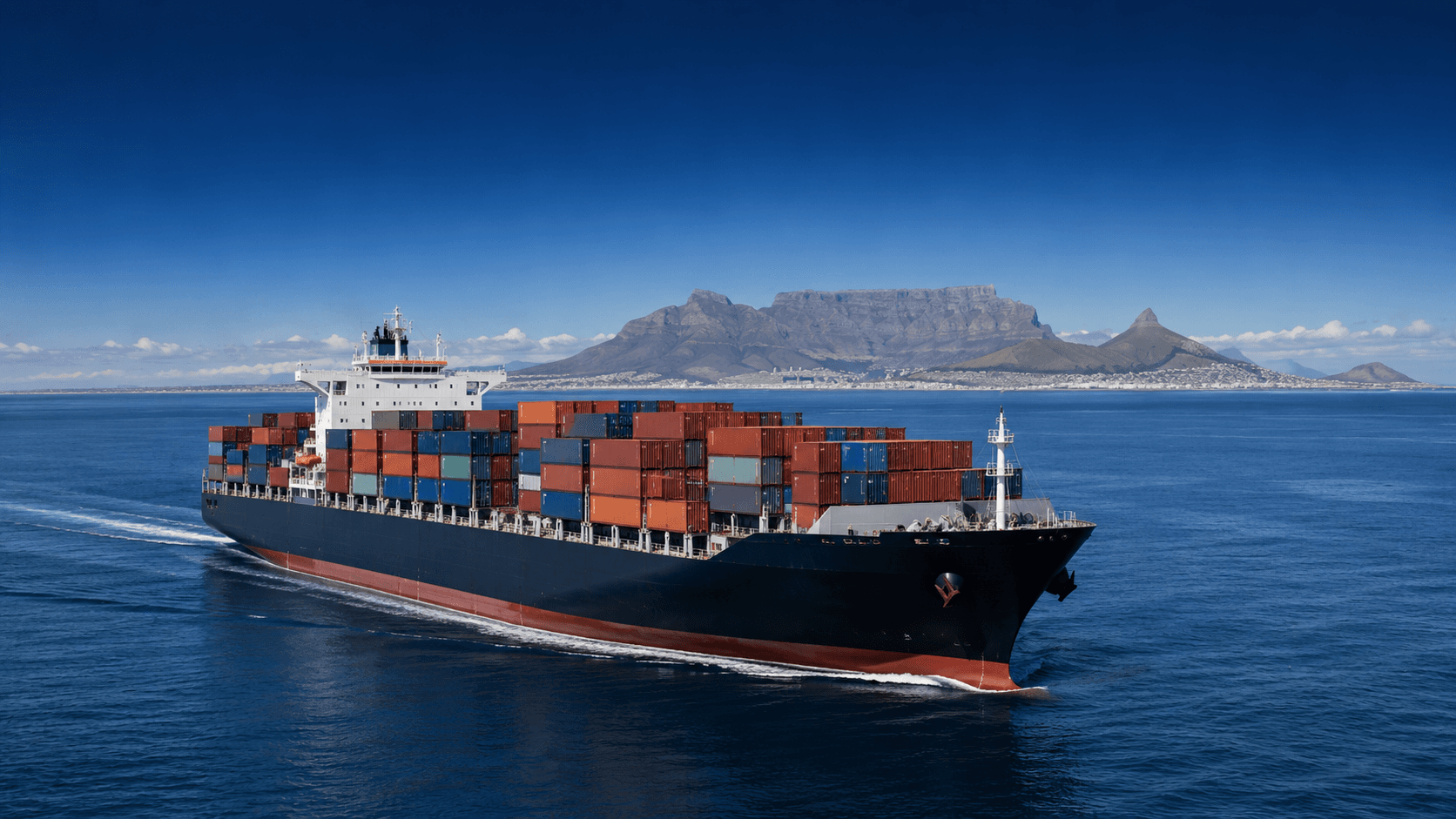
The Red Sea double closure continues to reshape food ingredient logistics between Asia and Europe despite improving Gulf shipping conditions. Procurement teams now face longer transit times, higher freight costs and new sourcing strategies as Cape routing remains the only practical option.
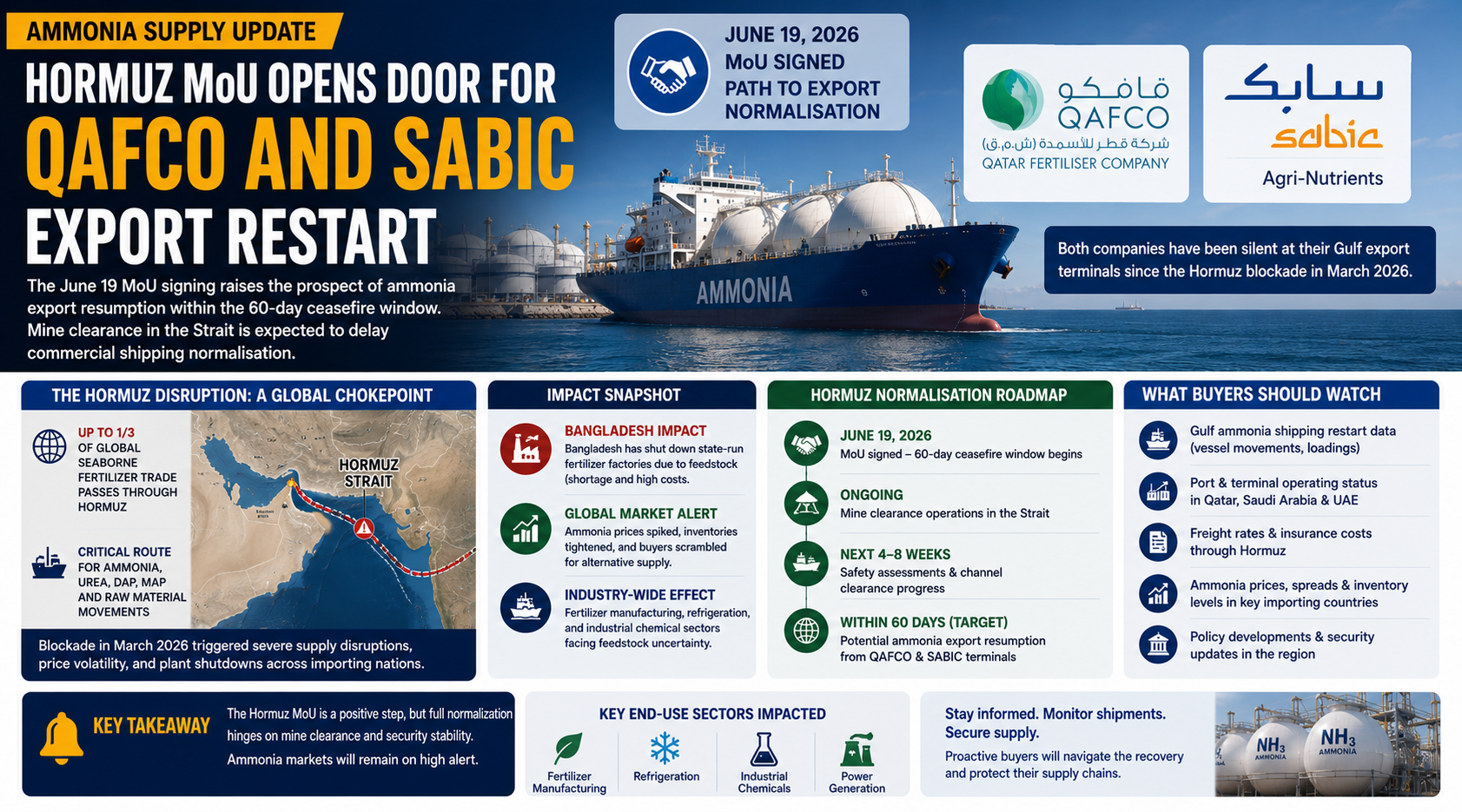
The most important lesson from 124 days of the 2026 Hormuz crisis is that physical supply recovery and diplomatic progress move independently. For chemical procurement teams planning Q3 supply, vessel crossing data from Kpler now matters far more than political statements coming out of Doha negotiations.
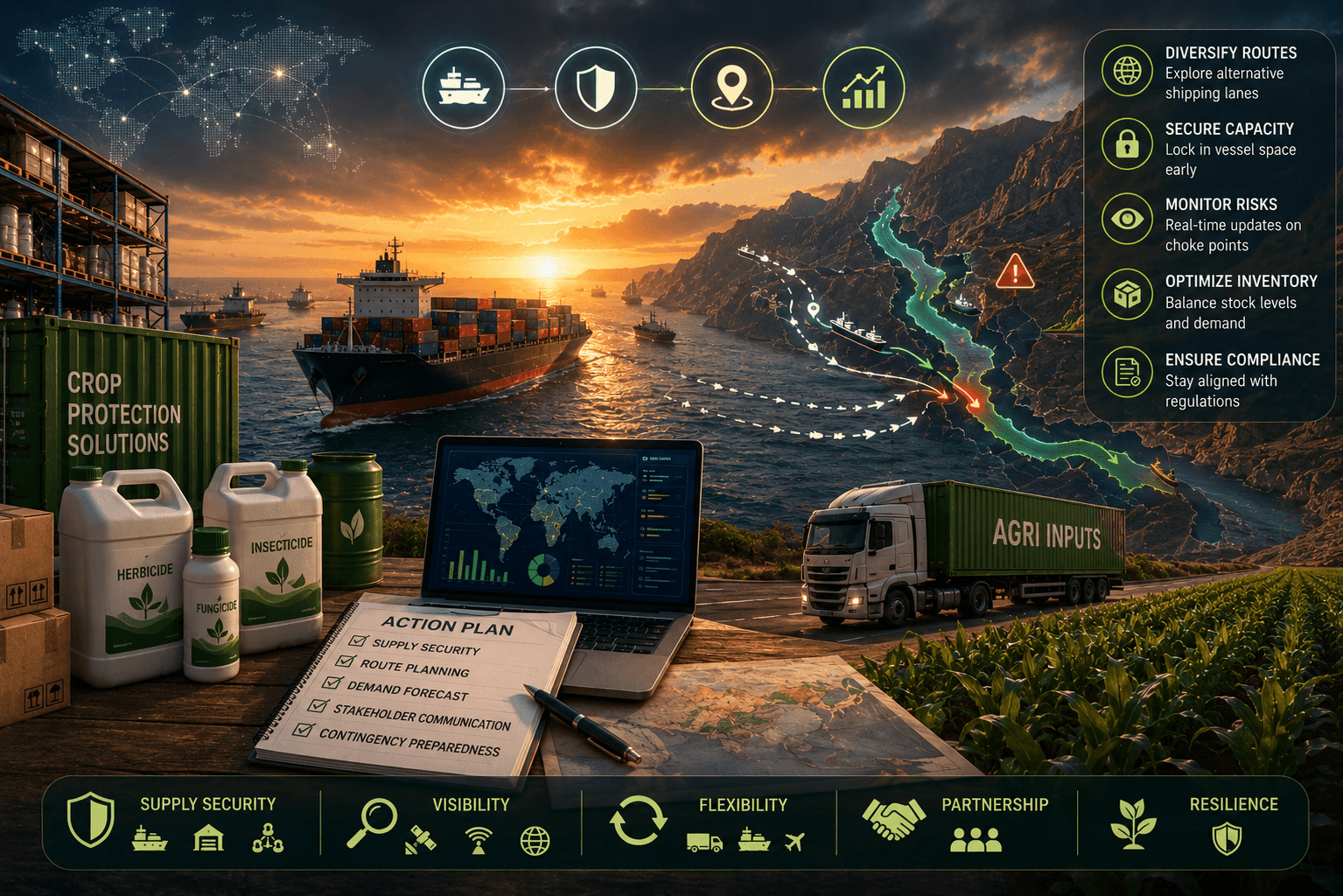
Agrochemical logistics are improving after the Hormuz disruption, but commercial shipping remains far below normal capacity. Importers should maintain conservative Q3 shipping plans, rely on Cape routing, and prepare for only partial Hormuz recovery by September.
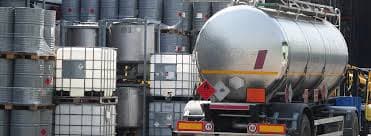
Japan’s steam cracker operators are finalising July operating rates that will shape Q3 supply and pricing. With Brent at $72.60, a positive naphtha crack spread signals renewed demand for ethylene derivatives, polystyrene and benzene chain chemicals. Buyers should act this week to secure volumes.
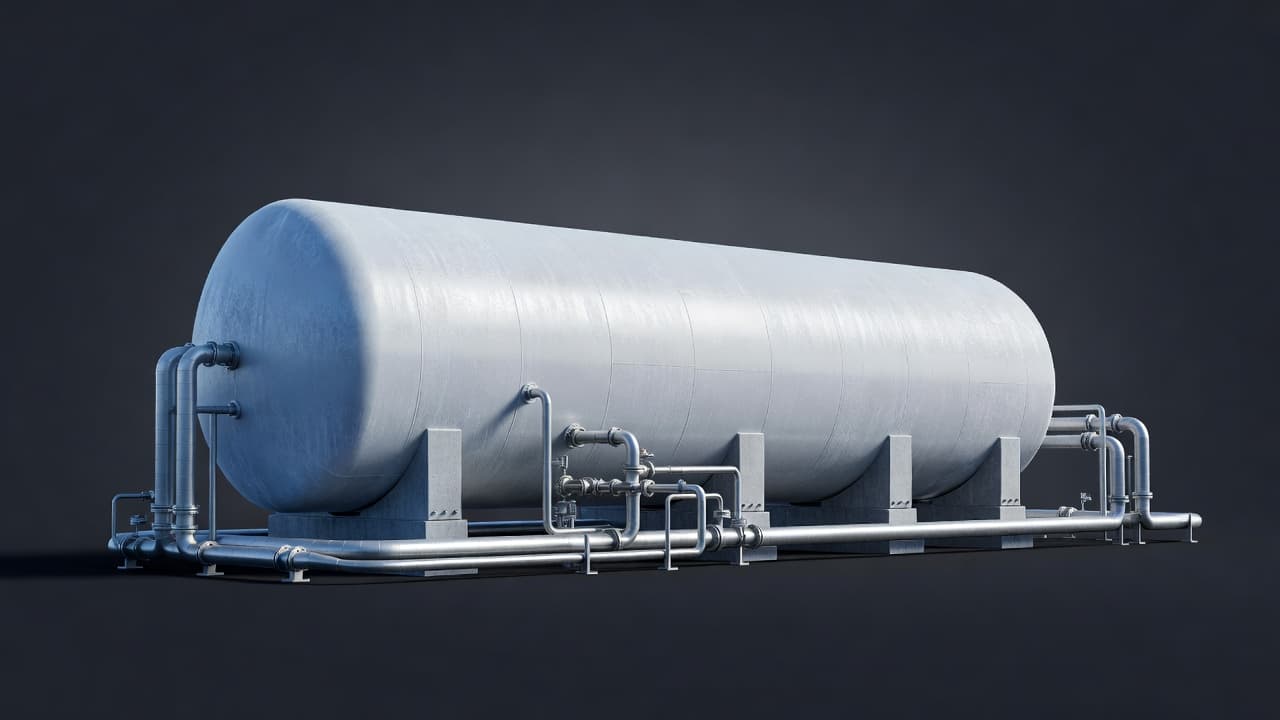
US ethane export capacity is expanding as Enterprise Products develops new Gulf Coast infrastructure, creating new supply options for Asian ethylene producers. The shift could reduce long-term dependence on traditional naphtha-based feedstock routes.

The 2026 Hormuz crisis demonstrated that shipping chokepoints are no longer theoretical risks. For chemical buyers, understanding which products depend on vulnerable trade corridors has become essential for procurement planning and supply chain resilience.
We're committed to your privacy. Tradeasia uses the information you provide to us to contact you about our relevant content, products, and services. For more information, check out our privacy policy.