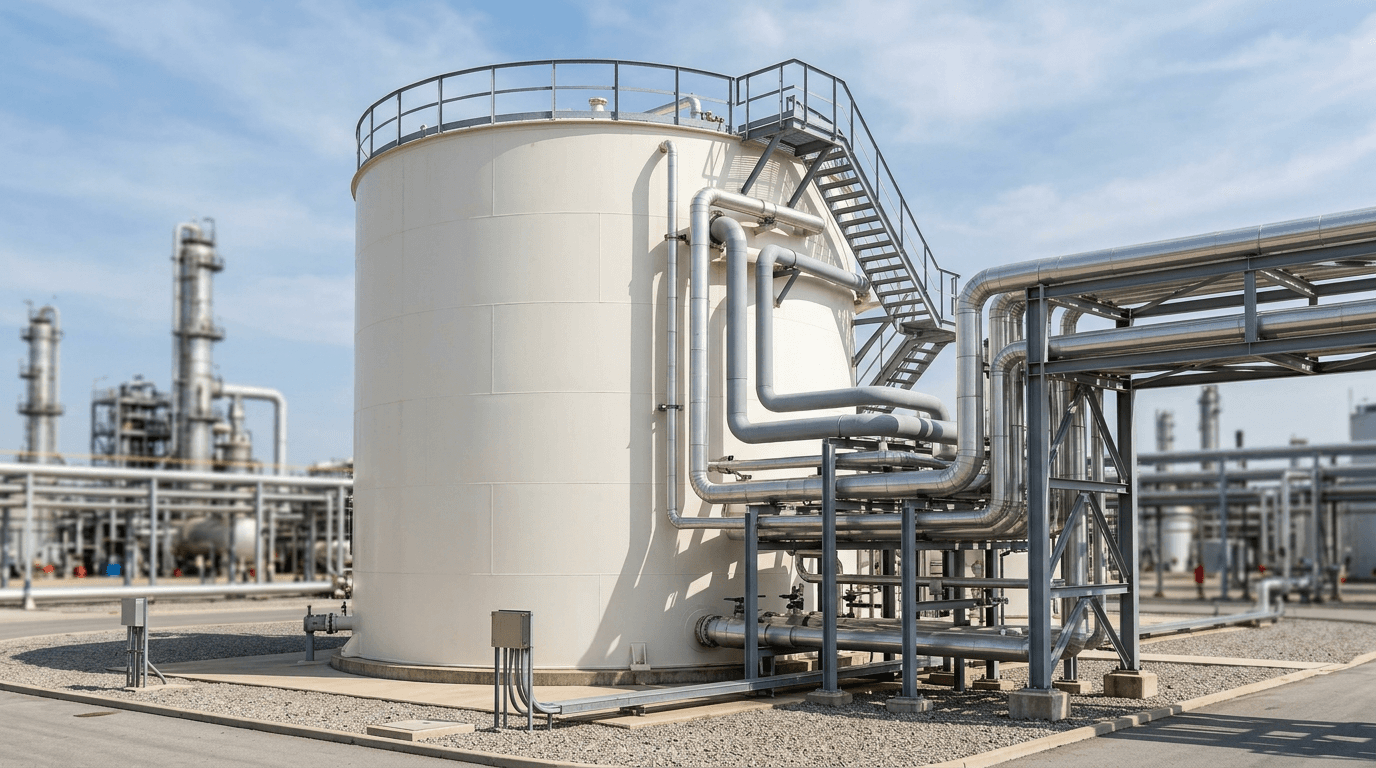

The potential restart of AmSty’s Torrance, California polystyrene plant is attracting attention across the coatings, plastics, and chemical industries. While the facility primarily produces polystyrene, its return to operation could indicate improving conditions across the broader North American styrene value chain.
For manufacturers of coatings, adhesives, construction materials, and ABS plastics, this development may serve as an early indicator of improving raw material availability and potentially more stable pricing during the second half of 2026.
Understanding what this restart signals—and what it does not—can help procurement teams make more informed sourcing decisions

Why the Torrance Restart Matters
When a major petrochemical producer restarts an idled production facility, it often reflects increased confidence in market conditions.
A restart may suggest that:
Feedstock supplies have improved.
Operating margins are becoming commercially attractive.
Customer demand is strengthening.
Supply chain disruptions are easing.
Production economics support renewed operations.
Although one facility cannot determine the direction of the entire market, it can provide an important signal that industry fundamentals are improving.
The Importance of Styrene in the Coatings Industry
Styrene is a key building block used to manufacture numerous polymers that support modern coatings and construction products.
Common applications include:
Styrene-acrylic emulsions for architectural paints
Styrene-butadiene latex for paper coatings
Carpet backing materials
Industrial coatings
Protective coatings
Adhesives and sealants
Packaging materials
Consumer plastics
Because styrene-based materials are used in multiple industries, changes in styrene availability can influence pricing across a wide range of downstream products.
Why ABS Buyers Should Pay Attention
Acrylonitrile Butadiene Styrene (ABS) is widely used in automotive components, consumer electronics, appliances, industrial equipment, and construction products.
Although ABS production depends on several raw materials, styrene remains one of its primary components.
Improved styrene availability could help:
Reduce supply uncertainty
Improve production scheduling
Support more stable contract negotiations
Moderate raw material price volatility
Increase purchasing flexibility
However, buyers should remember that ABS pricing also depends on acrylonitrile, butadiene, energy costs, and regional demand.
Sodium Benzoate (E211) CAS: 532-32-1
Feedstock Economics Remain Critical
The economics of styrene production are heavily influenced by upstream feedstocks.
Two of the most important inputs are:
Benzene
Benzene is a major raw material in styrene production. Price fluctuations directly affect manufacturing costs.
Ethylene
Ethylene is another essential feedstock whose availability depends on cracker utilization rates and regional petrochemical production.
When both feedstocks become more readily available at competitive prices, styrene producers may find it economically viable to increase production.
Market Indicators Worth Monitoring
Rather than relying on a single announcement, procurement teams should monitor several interconnected indicators.
Producer Announcements
Production updates from major styrene and polystyrene manufacturers can provide insight into market confidence and operating conditions.
Crude Oil Prices
Movements in Brent crude oil influence feedstock costs throughout the petrochemical industry and can affect styrene pricing trends.
Asian Petrochemical Activity
Production increases at Japanese and South Korean steam crackers may improve regional feedstock availability and influence global styrene markets.
Demand from Construction
Architectural coatings, insulation materials, packaging, and consumer goods remain important demand drivers for styrene derivatives.
What This Could Mean for Coatings Manufacturers
If styrene availability improves during H2 2026, coatings manufacturers may benefit from:
Better raw material availability
Improved supplier reliability
More predictable procurement planning
Reduced lead-time uncertainty
Increased production flexibility
While immediate price reductions are not guaranteed, greater supply stability could help moderate market volatility.
Procurement Strategies for H2 2026
Coatings and polymer buyers should consider several practical steps.
Review Supplier Contracts
Evaluate pricing mechanisms, delivery schedules, and contract flexibility before peak purchasing periods.
Monitor Feedstock Trends
Track benzene, ethylene, and energy market developments that may influence future styrene costs.
Diversify Supply Sources
Working with multiple qualified suppliers can reduce procurement risk during changing market conditions.
Plan Inventory Carefully
Avoid overreacting to early market signals while maintaining sufficient inventory to support production continuity.
Long-Term Market Outlook
The styrene market continues to balance supply, energy costs, feedstock availability, and downstream demand.
A successful restart at the Torrance facility would represent a positive signal for industry confidence, but broader market conditions will continue to determine pricing and availability throughout the remainder of the year.
Manufacturers should continue monitoring both North American production and global petrochemical developments before making major procurement decisions.
Final Thoughts
The possible restart of AmSty’s Torrance polystyrene plant could mark an encouraging development for the North American styrene market. For coatings manufacturers and ABS buyers, it may indicate improving supply fundamentals and greater production stability.
Rather than viewing a single plant restart as a definitive market turning point, procurement teams should combine this signal with feedstock trends, regional production data, and customer demand forecasts to build resilient sourcing strategies for H2 2026.