
Related Insights

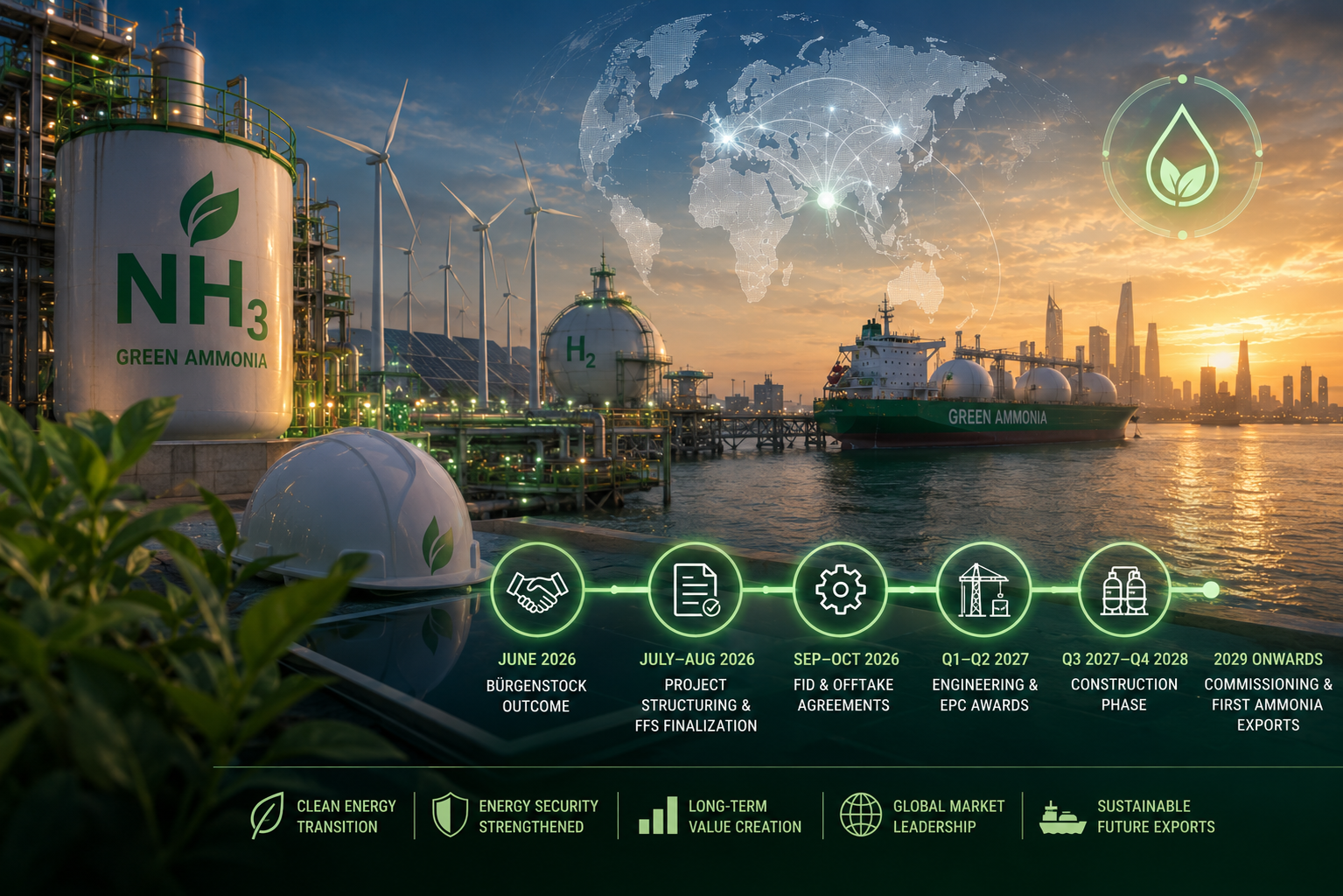
USDA's FIELDS Program: How Domestic Fertilizer Production Policy Is Reshaping the US Supply Chain
The USDA's $500 million FIELDS program continues to support domestic fertilizer production through project funding and accelerated development. Procurement professionals should understand how the initiative could influence fertilizer availability, pricing and long-term supply security.
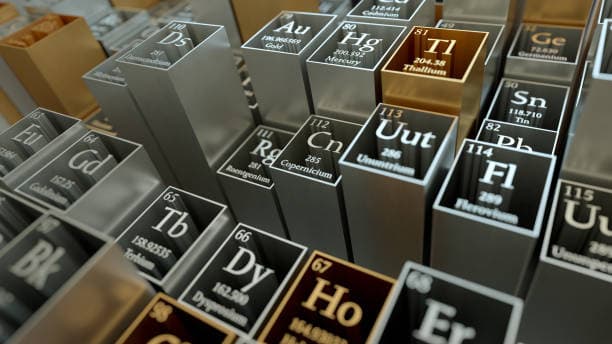
Tungsten and Trace Metals in Food Processing Equipment: An Overlooked Supply Risk
Tungsten, a critical trace metal used in tungsten carbide tools, is central to the durability of food processing and packaging equipment. Recent export restrictions threaten to elevate maintenance costs, disrupt production schedules, and compromise long‑term ingredient supply chains. Understanding this hidden risk is essential for manufacturers and policymakers alike.

Oman's Maritime Services Negotiation: What a Strait of Hormuz Fee System Could Mean for Chemical Logistics
Oman's proposal for maritime-services charges introduces a very different scenario from a geopolitical transit toll. Chemical buyers and logistics teams should understand how each approach could affect freight costs, compliance obligations and long-term sourcing decisions.
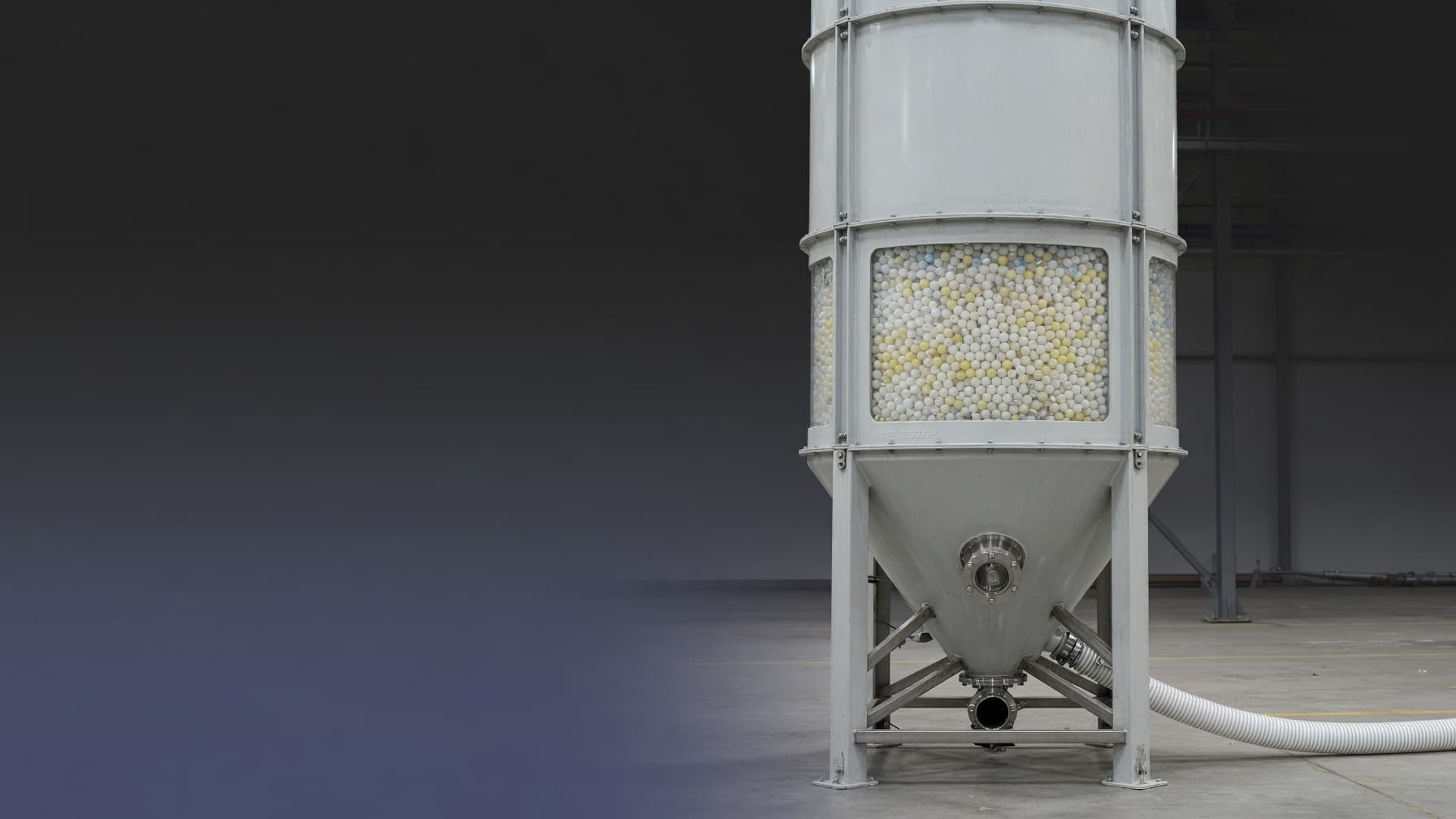
PE and PP Market Outlook 2026: Prices Expected to Stay Elevated After Hormuz Disruption
The PE and PP market outlook for 2026 remains shaped by slow supply recovery, ongoing risk premiums and Gulf production constraints after Hormuz disruptions. Buyers should prepare for a longer normalization period instead of expecting immediate returns to pre-crisis pricing.
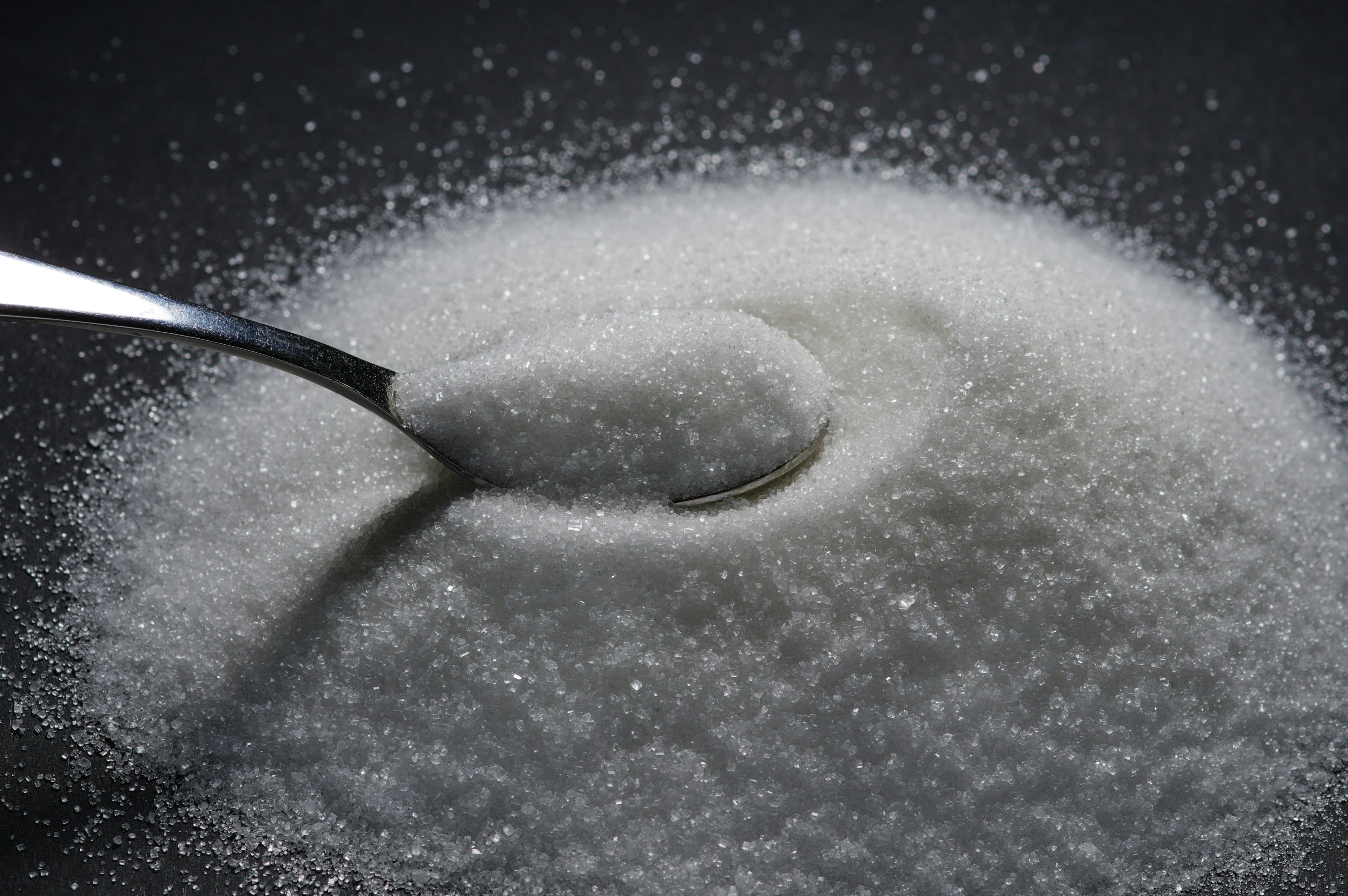
Sorbitol Supply Chain: India's Gulshan Polyols Integrated Gujarat Facility Gains Post-Crisis Advantage
India's integrated sorbitol production capacity is strengthening its position as a reliable alternative sourcing destination.
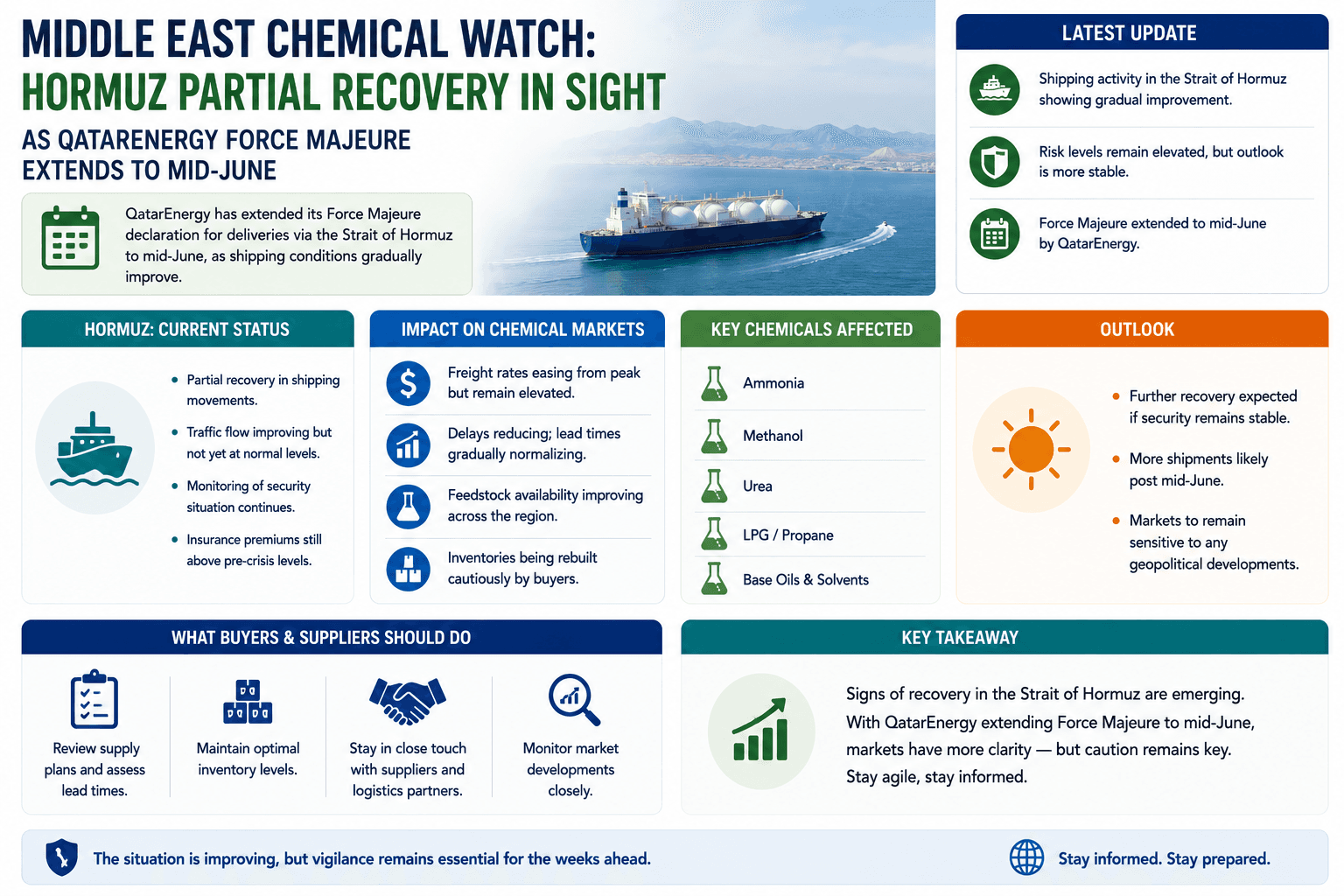
Middle East Chemical Watch: Hormuz Partial Recovery in Sight as QatarEnergy Force Majeure Extends to Mid-June
Middle East chemical supply recovery after the Hormuz crisis will likely take far longer than expected. With QatarEnergy extending force majeure and ICIS forecasting a 12–18 month normalization period, buyers should prepare for prolonged pricing pressure through H2 2026.
Don't miss out on our updates! Subscribe to our newsletter now
We're committed to your privacy. Tradeasia uses the information you provide to us to contact you about our relevant content, products, and services. For more information, check out our privacy policy.