Deoiled Rice Bran

The EIA's July outlook was built around assumptions that changed within weeks after the ceasefire collapsed. Chemical procurement and compliance teams should adopt scenario-based planning to strengthen supply chain resilience in an increasingly unpredictable market.

Europe’s fertilizer market is witnessing a sharp rise in UAN fertilizer demand as new subsidy policies redirect growers from traditional NPK blends. This shift is reshaping procurement strategies and regional supply chains, with significant implications for agricultural chemicals. The article explores the drivers, impacts, and future outlook for UAN in the continent.
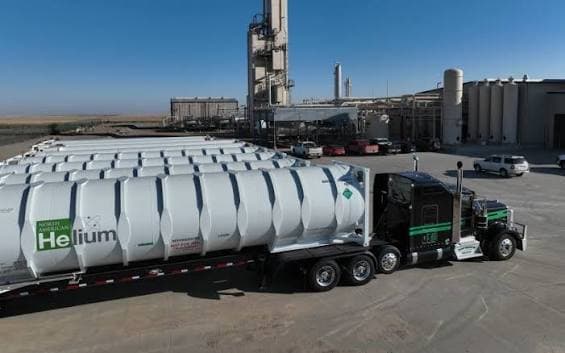
The 2026 Hormuz crisis created one of the most overlooked commodity disruptions in global markets: helium. Damage to Qatar’s Ras Laffan LNG infrastructure reduced helium production capacity, creating a structural supply shortage that may persist for years even as shipping conditions across Hormuz begin improving.

The disruption of Gulf MEG exports has transformed procurement strategies across Asia's polyester industry. As shipments begin moving again, buyers must understand transit timelines, supply recovery patterns and pricing risks before inventories normalize.
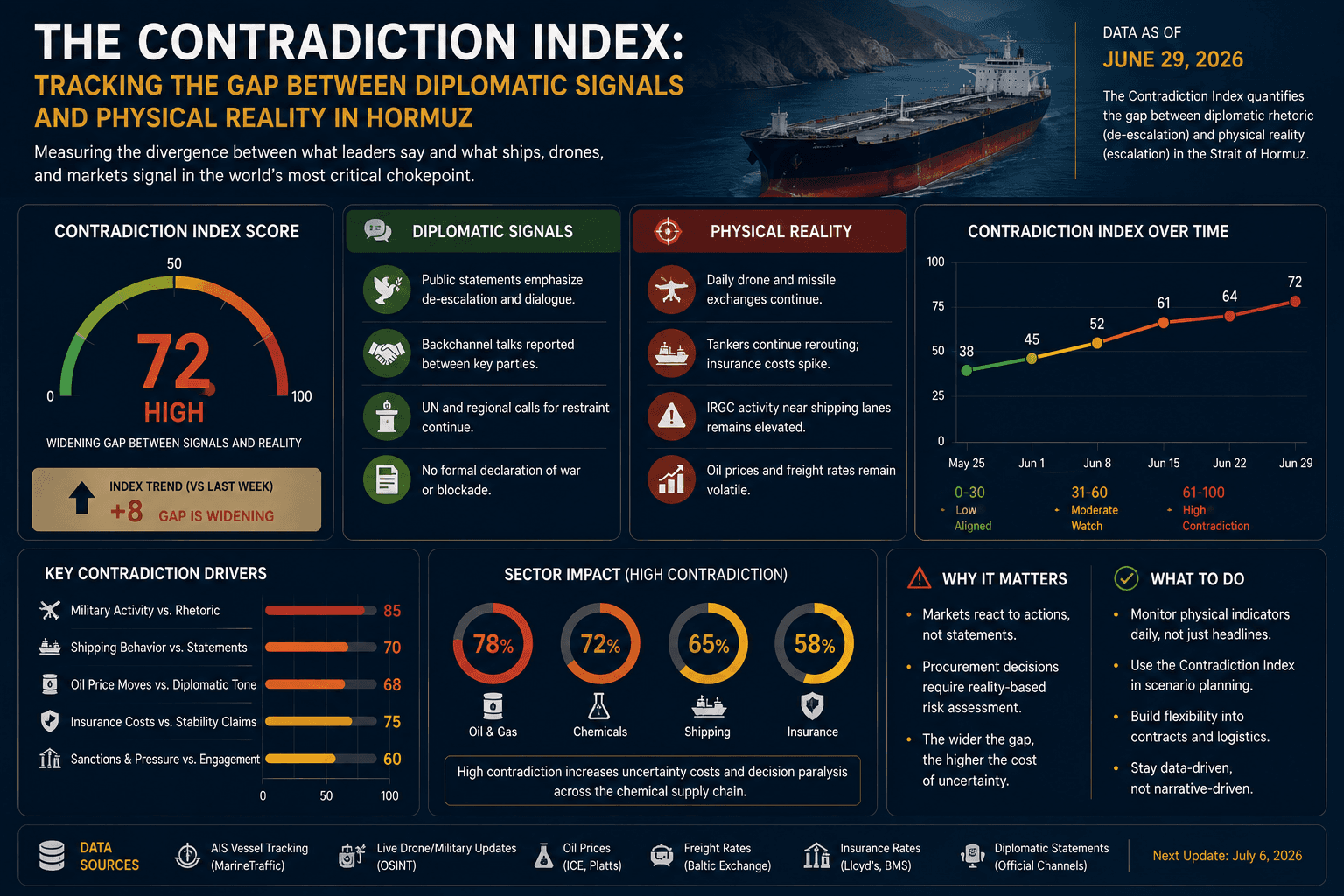
July 1 reveals the biggest contradiction of the Hormuz crisis so far: diplomacy suggests progress, but physical shipping data shows continued disruption. For chemical procurement professionals, understanding the gap between political signals and operational reality has become essential for making correct supply chain decisions.

The biologics supply chain remained resilient through H1 2026 despite higher logistics costs. As heparin production stays concentrated and biologics demand grows, procurement teams should focus on diversification, quality assurance, and long-term supplier partnerships.
We're committed to your privacy. Tradeasia uses the information you provide to us to contact you about our relevant content, products, and services. For more information, check out our privacy policy.