
Urea (Granular) - Egypt CAS: 57-13-6
The first half of 2026 reshaped pharmaceutical chemical procurement through supply chain disruptions, rising logistics costs, GLP-1 manufacturing expansion, and evolving regulatory requirements. Here are the key intelligence insights and procurement priorities for H2 2026.
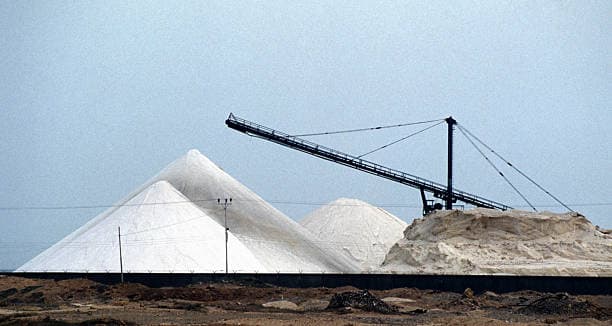
China’s ongoing ban on phosphate exports pushes global fertilizer markets into uncertainty, tightening DAP and MAP supplies, reshaping shipping routes, and forcing buyers to rethink procurement strategies. The ripple effect underscores the fragility of the agricultural input supply chain.

China's chemical industry ended H1 2026 as the world's primary swing supplier, filling supply gaps created by disruptions in Gulf exports. As Middle Eastern production steadily returns, procurement teams must determine which Chinese export advantages remain permanent and which were driven by exceptional market conditions.

Chinese citric acid producers are reevaluating H2 2026 export contracts amid easing bunker fuel costs, which could lower freight expenses and reshape pricing dynamics. This shift may benefit global food additive buyers seeking cost‑effective imports.
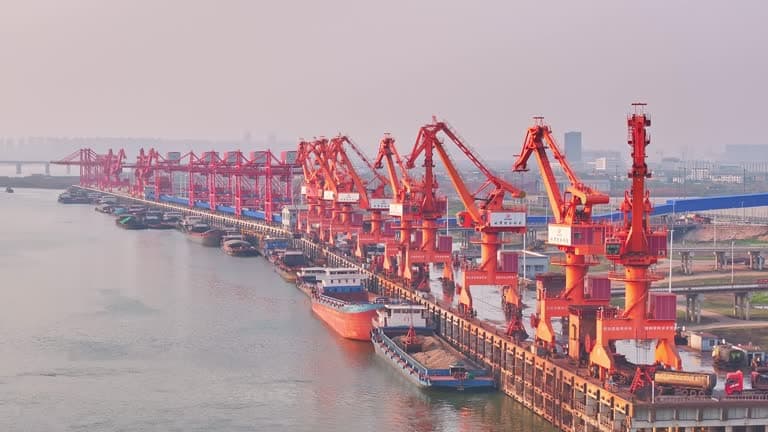
By 2026 the global ascorbic acid market will still be anchored by China, yet freight cost inflation and new regulatory pressures are reshaping procurement strategies. Companies must navigate logistics premiums, ensure ICs2 compliance, and diversify suppliers to mitigate risk.
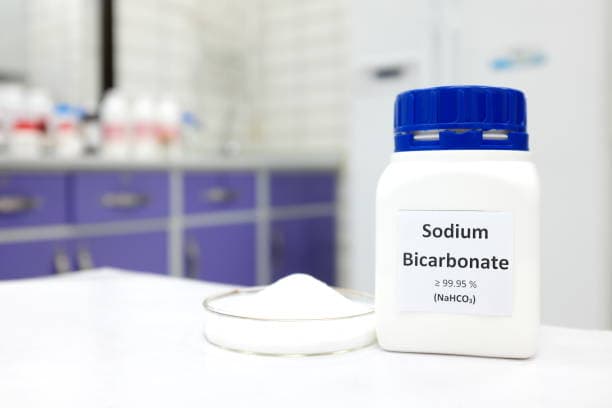
By 2026 the sodium bicarbonate market will see a dip in industrial use driven by construction sector softness, while food‑grade demand stays flat. Europe’s supply chain faces energy‑price pressure, reshaping supplier dynamics and pricing strategies.
We're committed to your privacy. Tradeasia uses the information you provide to us to contact you about our relevant content, products, and services. For more information, check out our privacy policy.