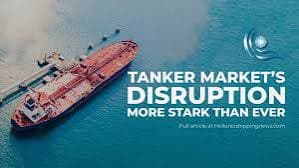
Chemical Tanker Market: Structural Fragility Persists as Disruption Drives Utilization, Not Demand
The chemical tanker market is currently showing a strange but important pattern: utilization is rising, yet underlying demand is not really strengthening. Instead of a healthy expansion cycle, the sector is being supported by disruptions, rerouting, and supply-side tightness. This creates what many analysts call “false strength”—a market that looks strong on the surface but remains structurally fragile underneath.
Utilization Is Up, But Not Because Demand Is Booming
At first glance, chemical tanker activity appears strong. Vessels are more fully booked, voyage lengths are increasing, and spot availability feels tight.
But the key driver is not demand growth. It is inefficiency in the system.
Several disruption-driven factors are pushing utilization higher:
Longer sailing routes due to geopolitical rerouting
Port congestion in key export hubs
Delays in loading/unloading chemical cargoes
Regulatory inspections and compliance delays
Fragmented sourcing across regions
So instead of more chemicals being consumed globally, the same volumes are simply taking longer and more complex paths to reach their destinations.
The Core Problem: Structural Fragility
The chemical tanker market is structurally fragile because it depends heavily on smooth global logistics coordination. When that coordination breaks, tonnage gets “absorbed” artificially.
This creates a distorted balance:
Fleet size is stable or growing slowly
Cargo volumes are relatively steady
But effective vessel demand increases due to inefficiency
This is not a demand boom. It is a logistics drag effect.
Why Disruption Is the Real Driver
Several ongoing disruptions are shaping the market:
1. Trade Route Shifts
Chemical flows are being redirected between Asia, the Middle East, and Europe due to shifting trade policies and sourcing strategies.
Longer routes automatically increase vessel days per shipment.
2. Port Bottlenecks
Major chemical export hubs frequently experience congestion, especially when multiple cargo types compete for limited terminal capacity.
Even small delays can ripple through scheduling chains.
3. Safety and Compliance Delays
Chemical cargo requires strict handling standards. Increased inspections and documentation requirements slow turnaround times, especially for hazardous or regulated cargoes.
4. Inventory Strategy Changes
Buyers are holding less just-in-time inventory and relying more on frequent, smaller shipments—this increases voyage frequency and vessel utilization.
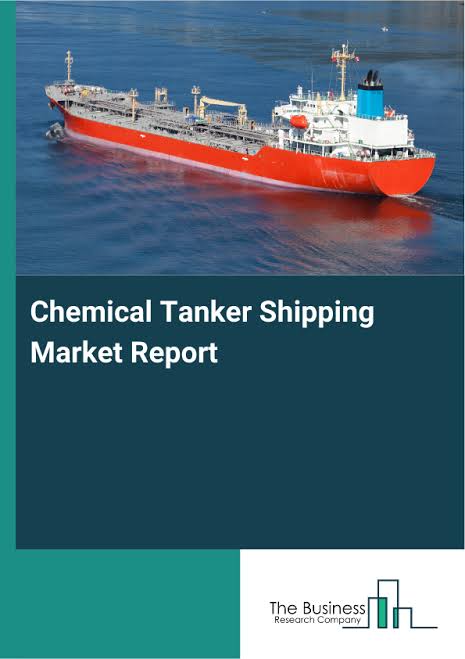
The Illusion of a Tight Market
From a shipping operator’s perspective, the market may feel tight:
Fewer available vessels at any given time
Higher spot rates on select routes
Increased scheduling competition
However, this tightness is not coming from expanding chemical consumption. It is coming from inefficiency and time absorption in the system.
If global logistics normalized, a significant portion of this “tightness” would disappear quickly.
Freight Rates: Volatile, Not Fundamentally Strong
Chemical tanker freight rates are reflecting this imbalance:
Spikes occur during disruption peaks
Softening appears when routes stabilize temporarily
Regional disparities remain large
This volatility signals a market driven by events, not fundamentals.
Unlike a demand-driven cycle, where rates rise steadily due to consumption growth, this cycle is reactive and unstable.
Fleet Expansion vs. Real Demand
Another layer of fragility comes from fleet dynamics.
Shipbuilding deliveries and fleet modernization continue, but:
Demand growth is modest
Efficiency is already stretched
Utilization gains are mostly artificial
This raises a key risk: if disruptions ease, oversupply could re-emerge quickly.
What This Means for Market Players
For Ship Owners
Short-term earnings may look attractive, but they are heavily dependent on disruption persistence. Stability could quickly compress margins.
For Charterers
Planning becomes more complex. Freight volatility increases budgeting uncertainty, especially for long-term contracts.
For Traders and Chemical Producers
Logistics is no longer just a cost factor—it is a strategic variable affecting delivery reliability and inventory planning.
Outlook: Fragility Hidden Inside Tightness
The chemical tanker market today is best described as:
“Operationally tight, but structurally fragile.”
As long as disruptions persist, utilization will remain elevated. But this should not be confused with strong demand fundamentals.
The real risk for the sector is not weakness—it is misinterpretation of artificial tightness as sustainable growth.
If global trade routes stabilize or efficiency improves, the market could quickly shift from tight to loose, exposing the underlying fragility that is currently masked by disruption-driven demand for tonnage.