

Related Insights

Hormuz War‑Risk Premiums Hit 10% of Hull Value: Chemical Shipping Toll
When war‑risk insurance for vessels transiting the Strait of Hormuz surged to 10% of hull value, chemical shipping faced record freight rates and supply chain strain. This article examines the drivers, impacts, and strategic responses within Gulf maritime logistics.
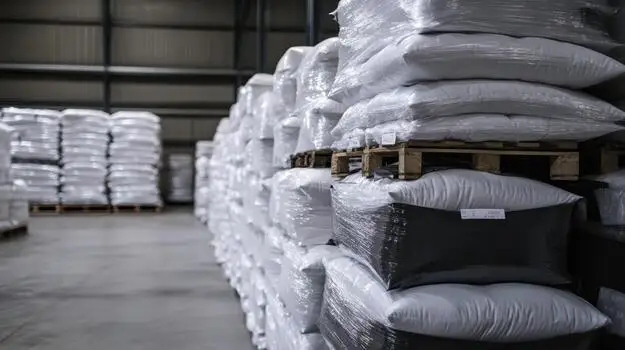
China's Export Timing Strategy: How Phosphate Restrictions Are Reshaping Global Fertilizer Trade
China's decision to delay phosphate exports until August, following earlier urea export restrictions, is influencing global fertilizer markets without formal trade bans. Procurement professionals should understand how export timing has become an increasingly important factor in supply chain planning.

Freight Costs Poised to Retest Earlier Highs as Hostilities Resume
Renewed geopolitical tensions threaten to elevate freight rates once again, putting pressure on chemical shipping, fertilizer logistics, and procurement budgets. This article explains the drivers, the sectors most exposed, and strategies to mitigate the impact.

DMF Supply Tightness: Pharmaceutical & GLP‑1 Demand Drives Market Shift
Pharmaceutical‑grade dimethylformamide is entering a period of stronger demand as API manufacturing recovers and GLP‑1 peptide production expands. The rising demand creates supply risks that procurement teams must address before tighter market conditions emerge in 2026. This article outlines the drivers, risks, and sourcing strategies for securing DMF.

Heparin and Biologics Raw Materials: Supply Chain Review and Procurement Outlook for H2 2026
The biologics supply chain remained resilient through H1 2026 despite higher logistics costs. As heparin production stays concentrated and biologics demand grows, procurement teams should focus on diversification, quality assurance, and long-term supplier partnerships.

Electronic Chemicals: Semiconductor Demand Structural — Not Hormuz Dependent
Unlike many chemical markets affected by the Hormuz disruption, electronic chemicals remain constrained due to structural semiconductor demand driven by AI and advanced chip manufacturing. Buyers should not expect supply conditions to ease alongside broader chemical markets in H2 2026.
Don't miss out on our updates! Subscribe to our newsletter now
We're committed to your privacy. Tradeasia uses the information you provide to us to contact you about our relevant content, products, and services. For more information, check out our privacy policy.