LiPF6 is the workhorse electrolyte salt for lithium‑ion batteries, prized for its high ionic conductivity and thermal stability. As battery demand surges across electric vehicles, grid storage, and portable electronics, traders must understand how supply constraints, raw material costs, and regulatory shifts shape the LiPF6 market. This guide offers a deep dive into market sizing, key drivers, geopolitical hotspots, and practical sourcing tactics for 2026 and beyond.
What Is LiPF6 and Why It Matters
LiPF6, or lithium hexafluorophosphate, is a crystalline salt dissolved in carbonate solvents to form the electrolyte that powers high‑energy lithium‑ion cells. Its superior electrochemical performance reduces internal resistance and extends cycle life, making it the preferred choice for automotive and grid‑scale applications.
Manufacturers produce LiPF6 by reacting lithium carbonate with hexafluorophosphoric acid. The process requires high purity fluorine sources and stringent handling to prevent decomposition and hazardous by‑products.
Global Market Size and Demand in 2026
The global LiPF6 market is projected to reach USD 3.2 billion by 2026, growing at a CAGR of 9.8% from 2023. Demand peaks in regions with aggressive EV roll‑outs—China, Europe, and North America—accounting for 70% of total consumption.
Key growth levers include battery pack density targets, falling silicon anode costs, and policy incentives that favor high‑energy‑density chemistries. Simultaneously, the raw materials for LiPF6—lithium carbonate and fluorine precursors—are experiencing supply bottlenecks, tightening the market.
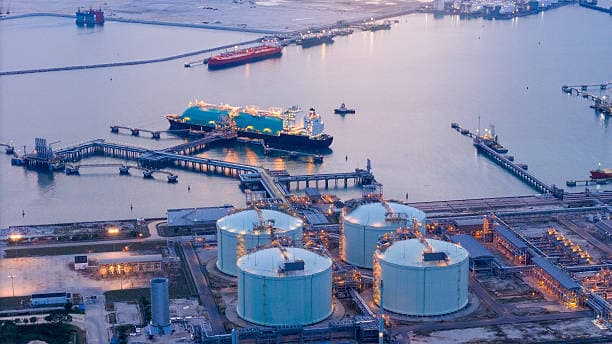
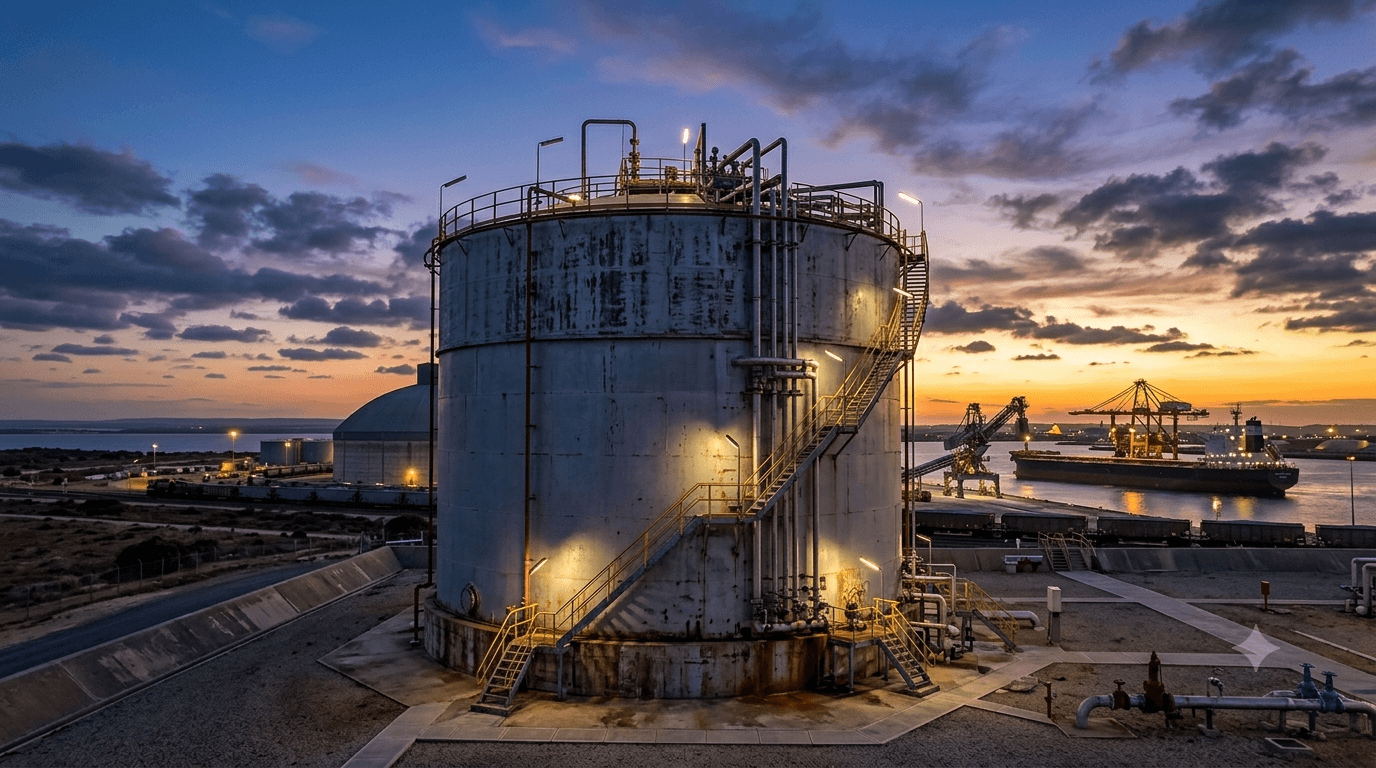
[IMAGE PLACEHOLDER 1] AI Image Prompt: "Photorealistic industrial image of a sprawling lithium‑ion battery manufacturing line with large storage tanks and conveyor belts. No text, no labels, photorealistic, ultra HD."Key Price Drivers and Market Forces Right Now
1. Raw Material Scarcity – Lithium carbonate prices have risen 15% in the last year, while fluorine feedstock remains limited to a handful of fluorine‑rich regions.
2. Regulatory Tightening – New safety standards for battery electrolytes in the EU and US push suppliers to adopt greener production methods, adding cost.
3. Geopolitical Tension – Export controls from key fluorine producers in the Middle East affect global supply chains.
4. Demand Surge – EV sales are projected to hit 30 million units in 2026, tripling the required electrolyte volume compared to 2023.
Top Producing or Exporting Countries
China leads with 45% of global LiPF6 output, leveraging its vast lithium reserves and established chemical infrastructure. Japan, South Korea, and the United States contribute 25% combined, benefiting from advanced battery manufacturing hubs.
Australia and Chile supply the bulk of lithium carbonate, while the United Arab Emirates and Saudi Arabia dominate fluorine feedstock exports. These geopolitical clusters shape trade routes and cost structures.
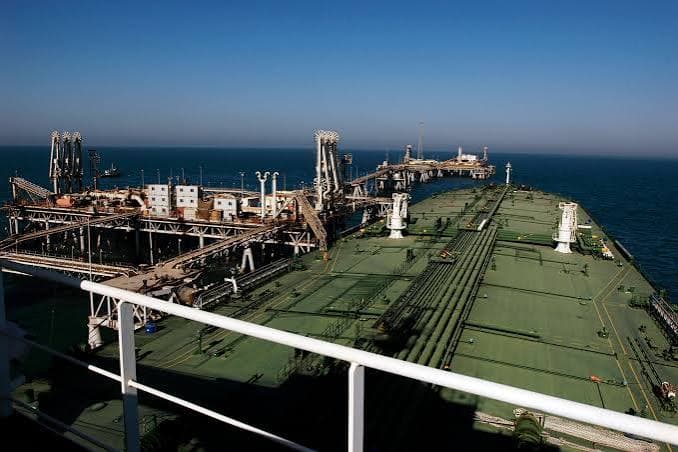
[IMAGE PLACEHOLDER 2] AI Image Prompt: "Photorealistic industrial image of a high‑tech lithium‑ion battery electrolyte production facility with visible reactors and storage tanks. No text, no labels, photorealistic, ultra HD."Applications and Who Buys This
• Automotive OEMs – Battery pack suppliers for electric vehicles demand high‑purity LiPF6 to meet performance targets.
• Grid‑storage operators – Large‑scale storage systems require electrolytes with extended cycle life.
• Consumer electronics – Smartphones, laptops, and wearables rely on compact, high‑capacity cells.
Major buyers include Tesla, BYD, LG Chem, Samsung SDI, and Northvolt. Procurement teams often source directly from specialty chemical manufacturers or through strategic alliances with battery component suppliers.
Risks, Challenges or Regulatory Issues
1. Fluorine Handling – Strict safety protocols increase production costs and limit scaling opportunities.
2. Environmental Compliance – Erosion of traditional fluorine production methods is under scrutiny; greener processes are costly.
3. Supply Chain Disruptions – Political instability in key fluorine‑rich regions can halt shipments, leading to price spikes.
4. Substitute Chemistries – Emerging electrolytes (e.g., LiFSI, solid‑state) may capture market share if they prove cost‑competitive.
[IMAGE PLACEHOLDER 3] AI Image Prompt: "Photorealistic industrial image of a battery electrolyte safety inspection station with technicians monitoring sensors and safety equipment. No text, no labels, photorealistic, ultra HD."Outlook for 2027 and Beyond
Long‑term projections suggest a 12% CAGR for LiPF6, driven by steady EV adoption and grid integration. However, the market will see increased competition from alternative electrolytes that offer lower environmental impact and reduced reliance on fluorine.
Supply chain diversification will become critical. Buyers may consider dual sourcing strategies, investing in regional production facilities, or exploring joint ventures with fluorine suppliers to lock in raw material access.
Regulators will likely tighten safety and environmental standards, encouraging innovation in greener production processes and recycling of lithium‑ion components.
What Buyers Should Do Now
1. Map your supplier base and assess risk exposure to raw material bottlenecks.
2. Negotiate long‑term contracts with fixed price clauses to hedge against volatility.
3. Explore partnerships with battery manufacturers to secure guaranteed demand streams.
4. Stay informed on regulatory changes and invest in cleaner production technologies.
Looking to source LiPF6? Explore verified global suppliers on our platform.