Related Insights
IMO Urges Ships to Sidestep Hormuz Amid Crew Safety Concerns
The International Maritime Organization has issued a stern warning for vessels to avoid the Strait of Hormuz until crew safety can be assured. This directive raises immediate questions for chemical tankers, Gulf shipping routes, and global supply chains. In this article we break down the implications and explore how operators can adapt.
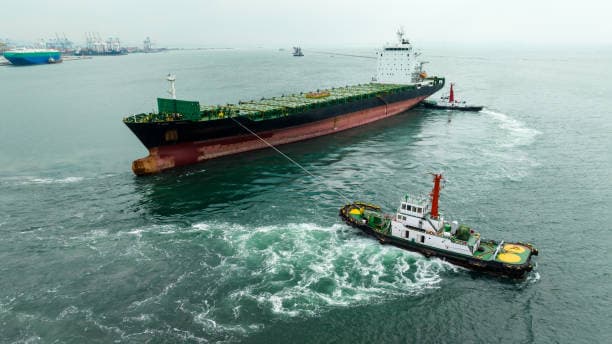
Saudi-Led Coalition Steps Up Red Sea Vessel Protection Amid Growing Houthi Threat
The Saudi‑led coalition has launched a comprehensive maritime security initiative in the Red Sea to counter escalating Houthi attacks. This move is reshaping vessel routing, freight pricing, and the global chemical supply chain, demanding greater resilience from tanker operators and logistics providers.
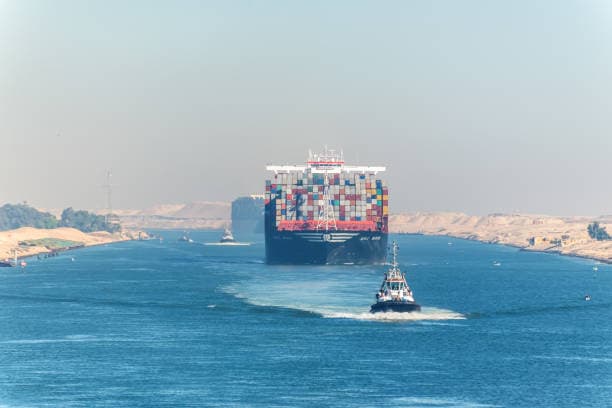
Red Sea Route Faces Renewed Closure Threat From the Houthis
The Houthis are once again threatening to close the Red Sea shipping lanes, a move that could ripple across global trade, freight costs, and chemical logistics. This article examines how the threat impacts freight disruption, fertilizer shipping, and supply chain risk, and explores alternative routes and mitigation strategies.

Nordic Tall Oil: A Hormuz‑Independent Renewable Feedstock for the Chemical Industry
Tall oil, extracted from kraft pulp production in Scandinavia, offers a renewable, Hormuz‑free source of fatty acids and rosin. Its versatility fuels coatings, adhesives, inks and specialty chemicals, bolstering supply chain resilience across the Nordic chemical sector.
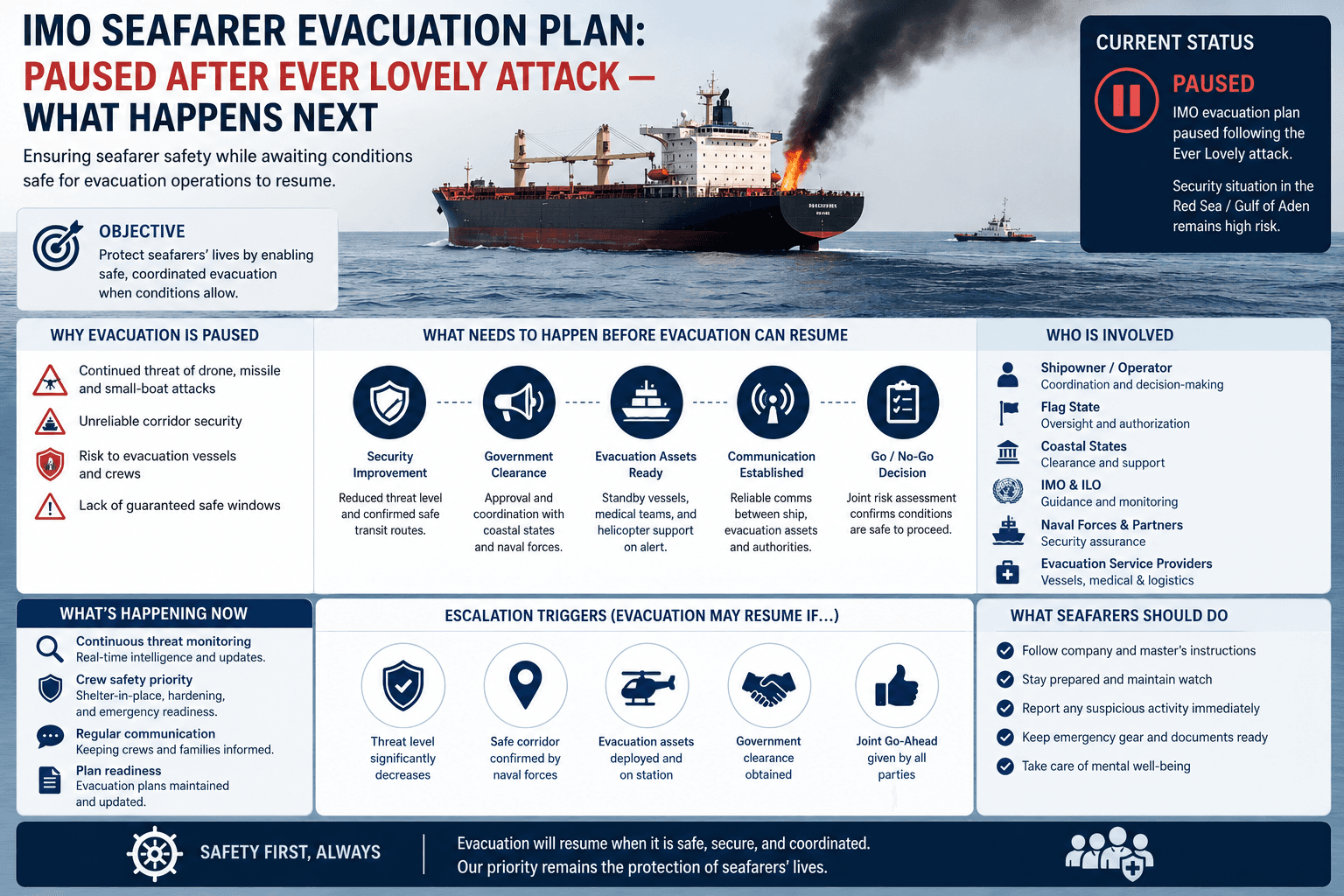
IMO Seafarer Evacuation Plan: Paused After Ever Lovely Attack — What Happens Next
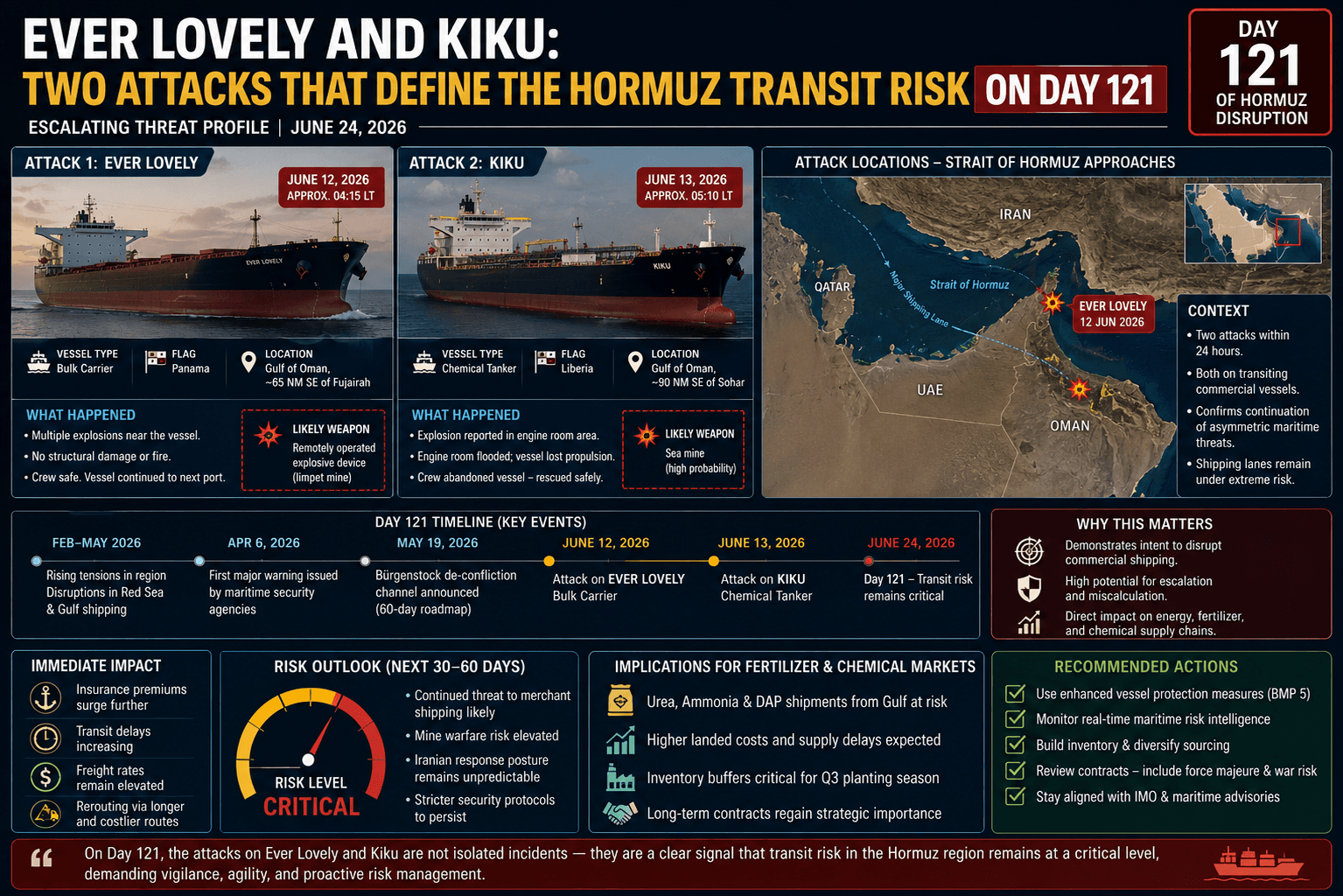
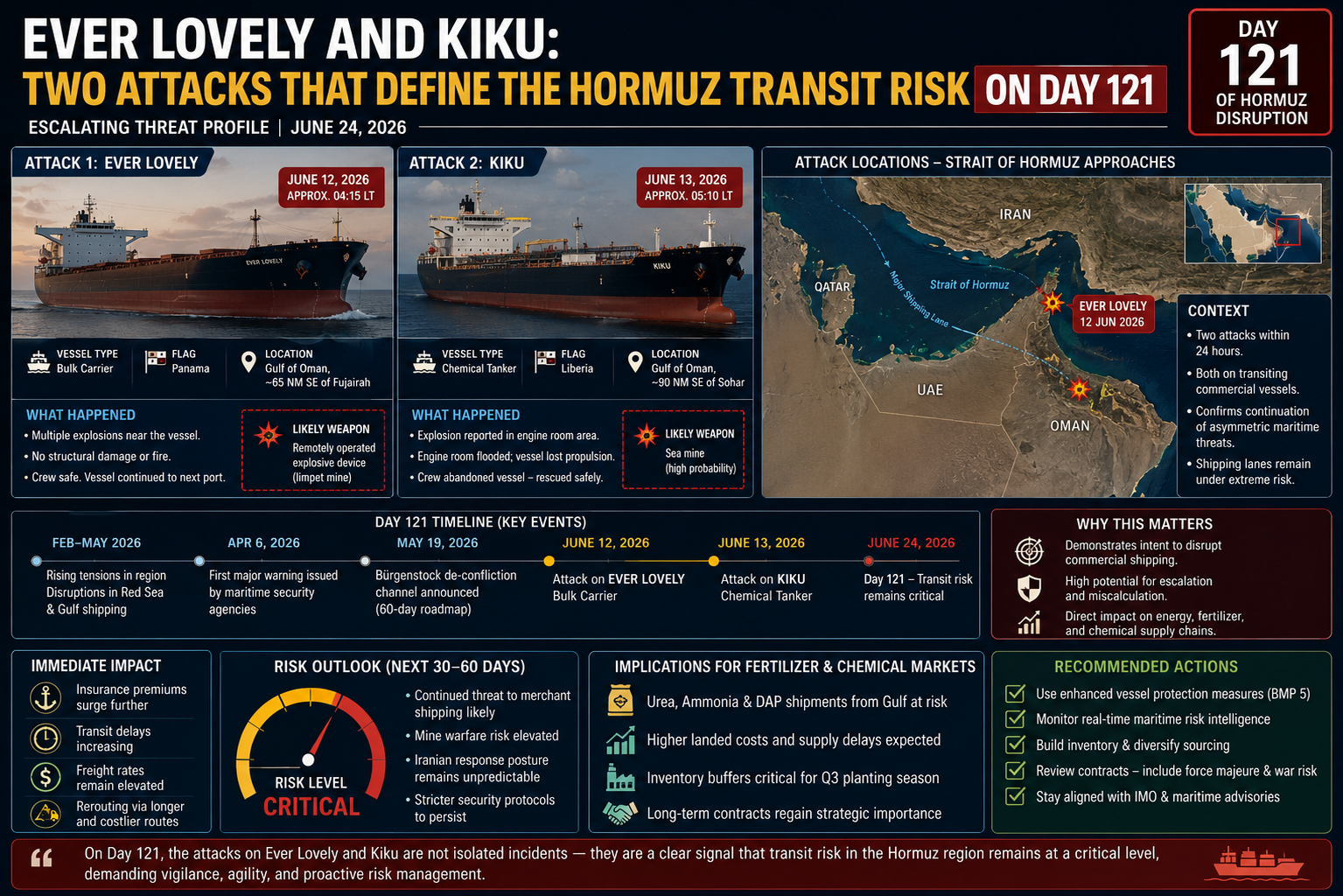
The IMO’s emergency evacuation plan for 11,000 stranded Gulf seafarers has been paused after the Ever Lovely attack, creating serious humanitarian and operational challenges for chemical shipping operators managing extended vessel confinement in high-risk waters.
Chemical Logistics Digital Tools: AIS, PortWatch, and Real-Time Tracking in the Hormuz Era
The Hormuz crisis has transformed digital maritime intelligence from a competitive advantage into an operational necessity. Chemical supply chain managers are increasingly relying on real-time vessel tracking and analytics to support procurement and logistics decisions.
Don't miss out on our updates! Subscribe to our newsletter now
We're committed to your privacy. Tradeasia uses the information you provide to us to contact you about our relevant content, products, and services. For more information, check out our privacy policy.