
Ocean freight rates for many chemical trade routes remain significantly above historical levels in mid-2026, creating new challenges for procurement teams. In some cases, freight expenses now contribute more to landed cost inflation than the chemical itself.
Understanding chemical import prices requires more than reviewing a supplier quotation. The final amount paid by an importer includes a series of logistics, regulatory and local cost components that accumulate between the supplier's facility and the buyer's warehouse. Procurement teams that understand this cost structure can negotiate more effectively, forecast budgets with greater accuracy and identify opportunities to reduce total sourcing expenses.
Understanding the Difference Between FOB Price and Landed Cost
Many chemical buyers receive quotations based on FOB (Free on Board) terms. FOB pricing covers the value of the product up to the agreed export port and includes costs that the seller bears before loading cargo onto the vessel.
However, FOB pricing represents only the starting point of the import cost calculation.
Landed cost reflects the total amount required to move a chemical shipment from the supplier to the final destination. It incorporates transportation, insurance, customs charges and domestic logistics expenses.
A buyer comparing suppliers solely on FOB price may overlook significant downstream cost differences that affect the true procurement cost.
The First Layer: FOB Chemical Pricing
FOB pricing remains one of the most common reference points in global chemical trade.
The quoted FOB value generally includes:
Manufacturing costs associated with producing the chemical and preparing it for shipment.
Export packaging, labeling and handling required before cargo reaches the export terminal.
Supplier margin and administrative expenses.
Transportation from the manufacturing site to the export port, depending on contractual arrangements.
For many chemical products, FOB pricing reflects supply-demand conditions within the producing country rather than international logistics dynamics.
This distinction explains why some buyers see stable chemical prices while their overall import costs continue rising.

Origin Handling and Documentation Charges
Before cargo leaves the origin port, exporters incur several operational expenses that buyers often underestimate.
Origin handling charges can include container stuffing, terminal handling fees, export documentation preparation and customs filing requirements.
Documentation expenses may cover:
Commercial invoice preparation.
Packing lists and export declarations.
Certificates of origin when required.
Inspection certificates and compliance documentation.
Although these costs appear relatively small compared with freight expenses, they still contribute to the final landed cost calculation.
Ocean Freight Has Become a Major Cost Driver
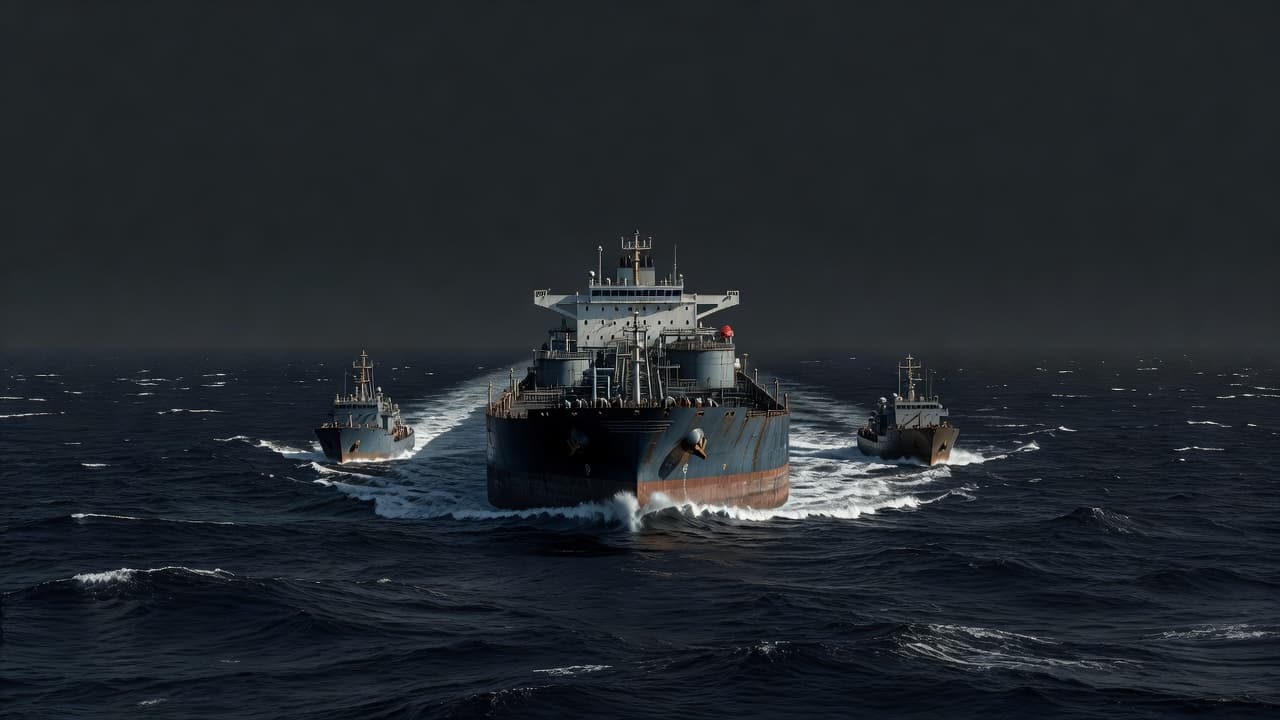
Ocean freight has emerged as one of the most volatile components of chemical import pricing in 2026.
Shipping disruptions, vessel availability constraints and regional security concerns have pushed freight rates substantially higher across many trade routes.
For a typical Asian-origin shipment, freight now represents a significantly larger percentage of total landed cost than it did before recent market disruptions.
One example illustrates the impact. For Chinese polymer shipments moving to the US East Coast, ocean freight currently adds approximately USD 550 per FEU more than pre-war levels, translating into roughly USD 15 to USD 25 per metric ton of additional landed cost.
These increases directly affect competitiveness, especially in high-volume commodity chemical markets where margins remain relatively thin.
Insurance Costs and War Risk Surcharges
Marine cargo insurance protects importers against financial losses resulting from transportation-related incidents.
In normal market conditions, insurance contributes only a modest portion of total landed cost. However, geopolitical tensions can alter that calculation quickly.
For shipments originating from or moving through higher-risk regions, buyers may face:
Additional war risk insurance premiums.
Security-related surcharges imposed by carriers.
Increased coverage requirements from financial institutions.
Higher insurance valuations linked to elevated freight costs.
These expenses often fluctuate alongside geopolitical developments, making them difficult to predict over longer procurement cycles.

Peak Season Surcharges Can Change Procurement Economics
Many buyers focus on headline freight rates while overlooking temporary surcharges imposed during periods of elevated demand.
During June and July 2026, peak season surcharges have added another layer of transportation expense across several major shipping lanes.
These surcharges reflect:
Increased competition for vessel capacity.
Higher demand for containers and logistics services.
Seasonal inventory replenishment activity.
Congestion at major ports and transshipment hubs.
Procurement teams that schedule purchases strategically may reduce exposure to some of these temporary cost increases.
Import Duties and Trade Policy Costs
Once cargo reaches the destination market, government-imposed charges become a critical component of landed cost.
Import duties vary significantly depending on product classification, country of origin and applicable trade agreements.
Buyers should carefully evaluate:
Standard import tariff rates.
Anti-dumping duties applied to specific products.
Section 301 tariffs where applicable.
Preferential duty programs under trade agreements.
Trade policy changes can alter landed cost competitiveness almost overnight, making regulatory monitoring an essential procurement activity.
Customs Clearance and Brokerage Expenses
Chemical imports require professional customs processing before authorities release cargo.
Customs brokers help importers navigate regulatory requirements, classification procedures and documentation reviews.
Typical brokerage-related costs include:
Customs filing fees.
Classification and compliance services.
Inspection coordination expenses.
Administrative processing charges.
Although brokerage expenses represent a relatively small percentage of total landed cost, delays or compliance issues can create much larger financial consequences.
Inland Transportation Often Determines Final Cost Competitiveness
Many procurement calculations stop at the destination port. However, the shipment still needs transportation to its final delivery location.
Inland logistics costs vary based on distance, infrastructure quality and transportation mode.
Factors influencing inland transportation costs include:
Distance between port and warehouse.
Trucking market conditions.
Rail availability and pricing.
Fuel costs and driver availability.
Regional congestion levels.
For buyers located far from major ports, inland transportation can become one of the largest cost categories after freight and duties.
What Procurement Teams Need to Know About Landed Cost Management
Successful chemical procurement depends on understanding the entire cost structure rather than focusing on product pricing alone. A low FOB quotation does not automatically translate into the lowest landed cost.
Procurement teams should build detailed landed cost models that account for freight volatility, insurance expenses, tariffs, brokerage fees and domestic logistics costs. Regular reviews of these components help organizations identify cost-saving opportunities and respond quickly to changing market conditions.
As freight rates, trade policies and regional risks continue influencing global chemical markets, buyers who understand landed cost mechanics will make stronger sourcing decisions and negotiate from a position of greater confidence. Ready to source PVC Resin from verified global suppliers? Explore competitive offers on our platform today.
PVC Resin CAS: 9002-86-2
SUGGESTED PRODUCT: PVC Resin
REASON: PVC Resin is a widely traded imported chemical product whose competitiveness depends heavily on freight costs, duties, logistics expenses and overall landed cost calculations discussed throughout the blog.