
Related Insights

Nordic Tall Oil: A Hormuz‑Independent Renewable Feedstock for the Chemical Industry
Tall oil, extracted from kraft pulp production in Scandinavia, offers a renewable, Hormuz‑free source of fatty acids and rosin. Its versatility fuels coatings, adhesives, inks and specialty chemicals, bolstering supply chain resilience across the Nordic chemical sector.
Methanol Supply Update: What AIS Shipping Data Means for Q3 Buyers
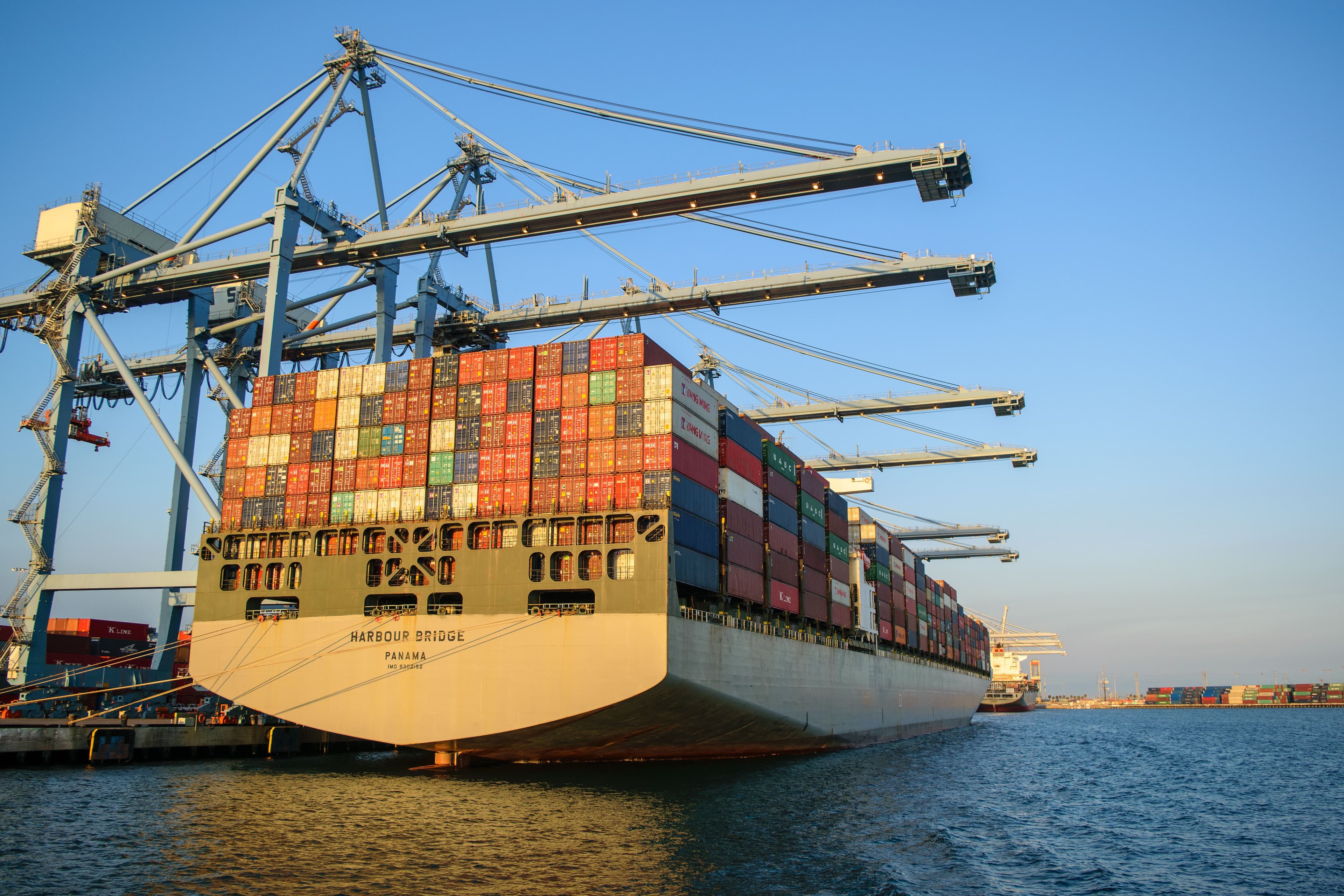
Methanol supply has remained active through recent Gulf disruptions, with AIS vessel tracking showing continued commercial movement. Buyers should separate headline risk from physical flow data when planning Q3 procurement.

Methanol Supply Risk in Q3 2026: What Hormuz Shipping Data Means for Buyers
Methanol buyers are facing a critical Q3 planning challenge as Strait of Hormuz transit remains far below normal levels. Physical shipping data now matters more than diplomatic signals when assessing supply availability and pricing risk.

Ammonia Supply Recovery 2026: Why Indian Buyers Are Losing Negotiation Leverage
Ammonia availability in Q3 2026 is rebounding, shifting power back to sellers. Indian buyers, once dominant in phosphoric acid pricing, now face tighter margins and less bargaining room. Learn how supply dynamics reshape fertilizer procurement strategies.

India Duty Waiver Ends Tonight, The Most Critical Monoethylene Glycol Procurement Moment of 2026
India's temporary customs duty exemption on Monoethylene Glycol expires at midnight, creating a major turning point for polyester manufacturers and chemical buyers. As Gulf supply improves and production costs ease, procurement teams must balance lower international prices against higher landed costs before finalizing Q3 purchasing strategies.

Hydrogen Peroxide Electronic Grade Supply Tightening Continues Despite Lower Oil Prices and Hormuz Concerns
Electronic-grade hydrogen peroxide remains one of the tightest specialty chemical markets in 2026. Semiconductor expansion across Asia continues to absorb available supply, while European production constraints limit market flexibility. Procurement teams face a structurally tight market that shows little connection to Middle East shipping developments.
Don't miss out on our updates! Subscribe to our newsletter now
We're committed to your privacy. Tradeasia uses the information you provide to us to contact you about our relevant content, products, and services. For more information, check out our privacy policy.