Overview of China’s Coal‑to‑Chemicals Boom
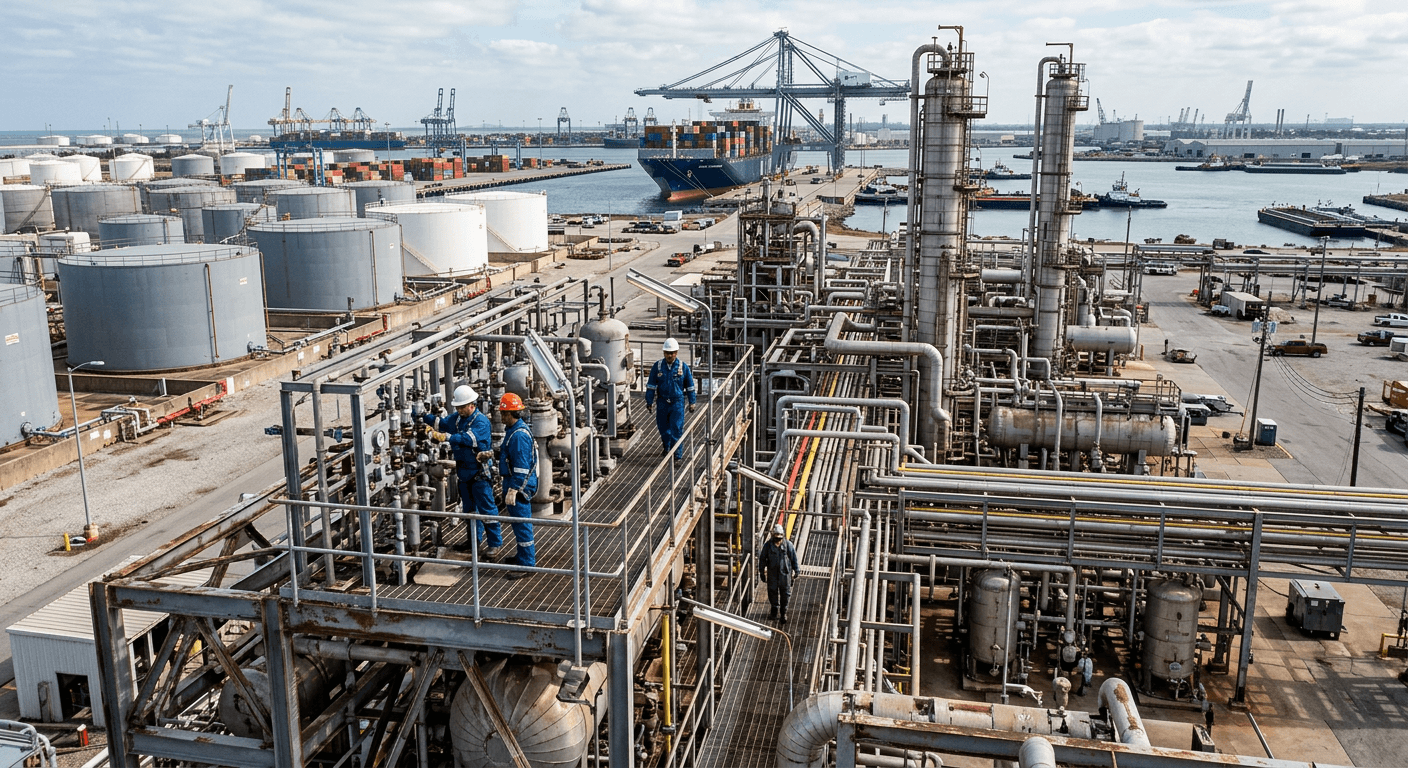
China’s coal reserves, combined with government incentives, have turned the country into a powerhouse of coal‑based chemicals. By 2026, the methanol market is projected to grow by 4.5% annually, while coal‑to‑olefins (CTO) plants are expanding at a similar pace. The chlor‑alkali sector, traditionally dominated by natural gas, is now seeing a resurgence in coal‑powered facilities.
How Coal Drives Methanol Production
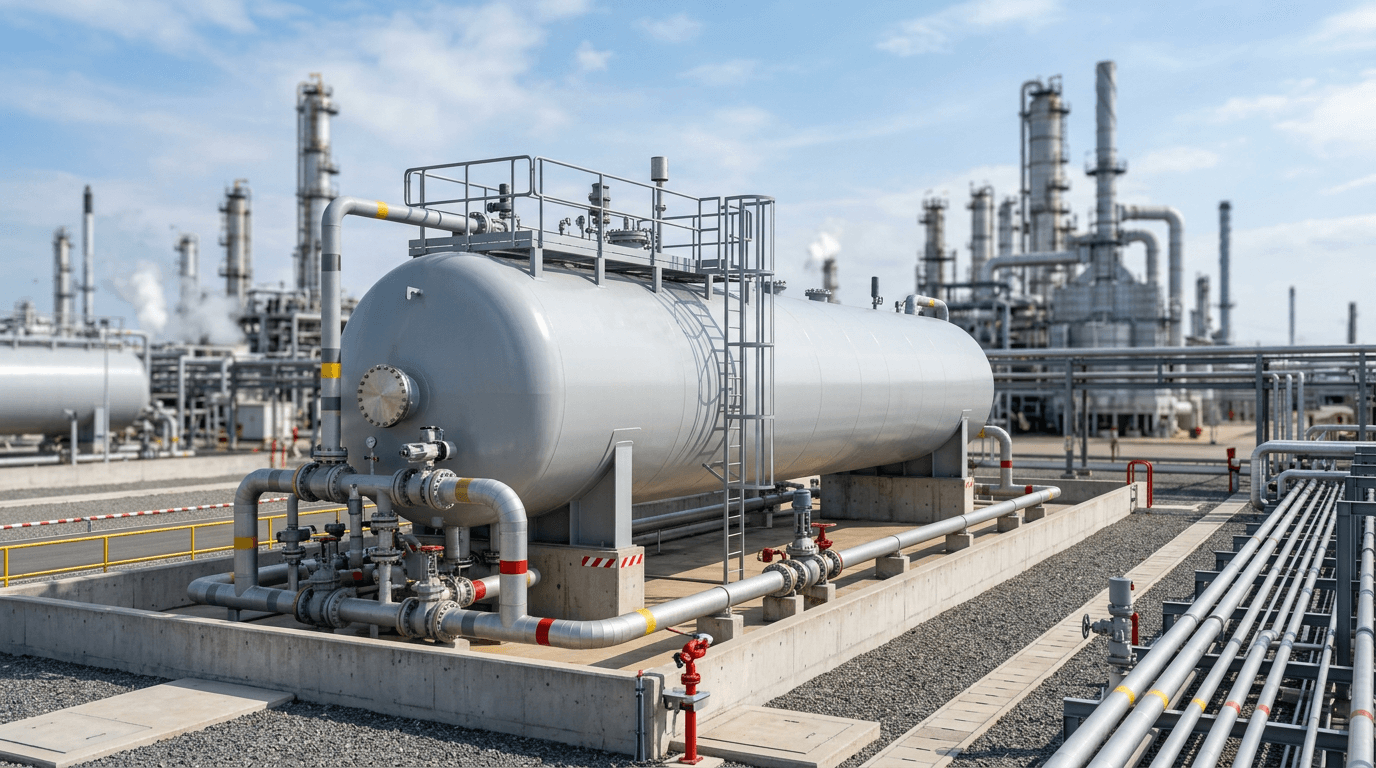
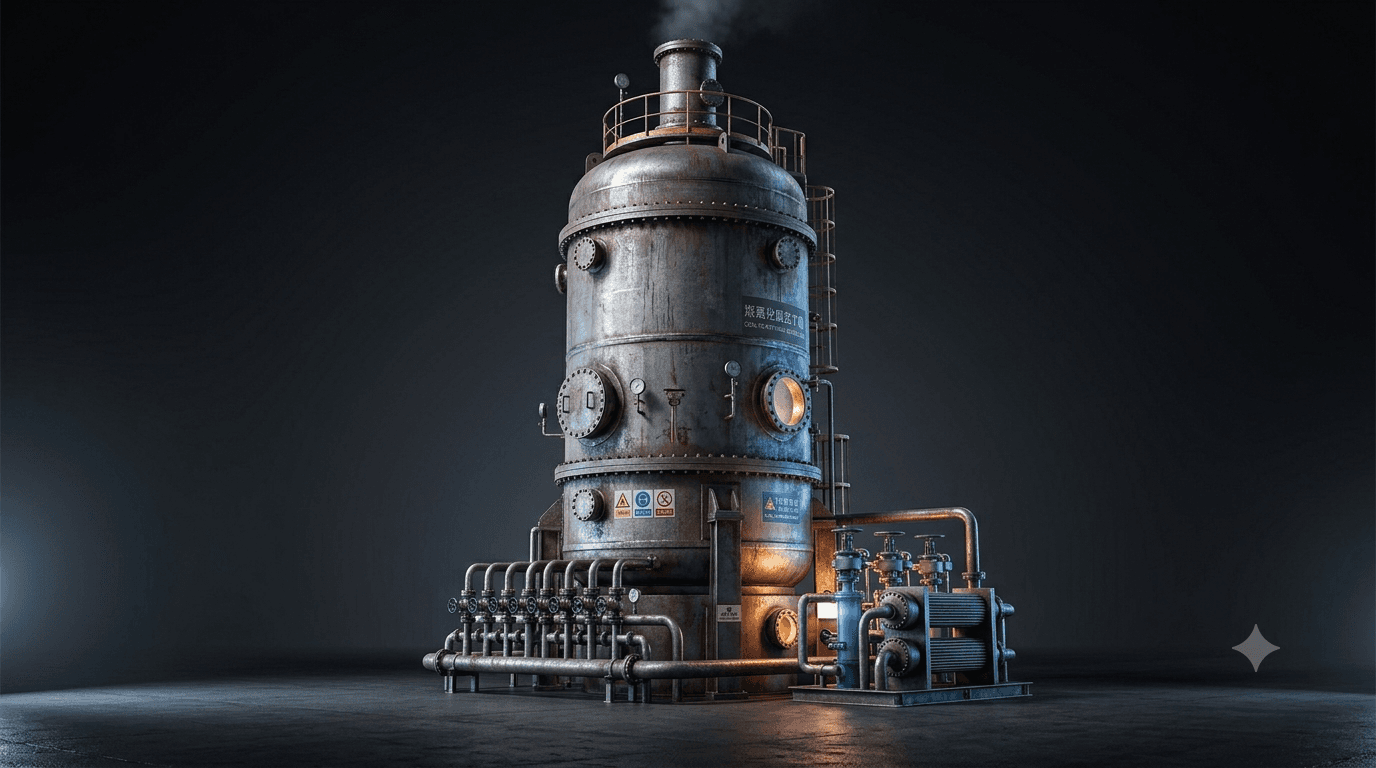
Coal‑to‑methanol (CTM) plants convert coal to synthesis gas, then to methanol. This route offers a stable feedstock compared to volatile natural gas prices. China’s CTM capacity is expected to reach 15 Mtpa by 2026, meeting domestic demand and providing export opportunities.
- Feedstock Stability: Coal supplies are controlled by the state, ensuring price predictability.
- Technology Maturity: China has perfected the syngas–methanol conversion process, reducing capital costs.
- Export Potential: Methanol is a key feedstock for chemicals, fuels and fertilizers, creating global procurement channels.
Coal‑to‑Olefins (CTO) and the Petrochemical Chain
CTO plants crack coal‑derived synthesis gas into ethylene, propylene and other olefins. These are the building blocks for plastics, synthetic fibers and many specialty chemicals. China’s CTO output has surpassed 5 Mtpa, positioning it as a major supplier for the Chinese petrochemical industry.
- Coal → Syngas → Olefins (Ethylene/Propylene)
- Olefins → Polyethylene, Polypropylene, etc.
- End Products → Plastics, Textiles, Construction Materials
Implications for Global Chemical Procurement
Procurement teams must account for the following:
- Supply Chain Concentration: Overreliance on Chinese CTO output could expose buyers to geopolitical risks.
- Price Volatility: While coal prices are stable, policy shifts (e.g., carbon taxes) can alter cost structures.
- Quality Variability: Differences in catalyst technology may affect olefin purity.
Chlor‑Alkali China: A Shift Back to Coal
China’s chlor‑alkali sector, traditionally powered by natural gas, is increasingly adopting coal‑based electricity and hydrogen. This shift is driven by cost advantages and the need to meet CBAM (Carbon Border Adjustment Mechanism) compliance.
Key trends include:
- Integration of steam methane reforming with coal gasification.
- Use of renewable hydrogen as a co‑feed to reduce CO₂ emissions.
- Investment in carbon capture and storage (CCS) to mitigate environmental impact.
CBAM Chemicals and Sustainability Challenges
The European Union’s CBAM imposes carbon tariffs on imported chemicals. China’s coal‑based chemicals face scrutiny, as their life‑cycle emissions are higher than those from natural gas or renewables. Companies must:
- Conduct life‑cycle assessments (LCA) to quantify emissions.
- Invest in CCS or renewable energy to lower carbon footprints.
- Explore carbon offset schemes to meet CBAM thresholds.
Strategic Procurement Recommendations
- Diversify Feedstocks: Balance coal‑based inputs with natural gas or green hydrogen to mitigate regulatory risks.
- Long‑Term Contracts: Secure fixed‑price agreements with Chinese producers to hedge against price swings.
- Collaborate on R&D: Partner with Chinese suppliers to develop low‑carbon conversion technologies.
- Monitor Policy Developments: Stay updated on CBAM, carbon pricing, and domestic coal policy changes.
Conclusion
China’s coal‑based chemicals are reshaping the global methanol, olefins and chlor‑alkali markets. While they offer cost advantages and feedstock reliability, sustainability pressures and trade regulations present new challenges. By adopting proactive procurement strategies and investing in cleaner technologies, businesses can navigate this evolving landscape and secure a competitive edge in the 2026‑2030 chemical trade horizon.