

Methanol CAS: 67-56-1

Methanol CAS: 67-56-1

Despite heightened tensions in the Persian Gulf, Iranian-flagged ships continue to navigate key maritime corridors. Their persistent presence offers clues about regional shipping resilience, chemical logistics, and the evolving power dynamics of global supply chains.
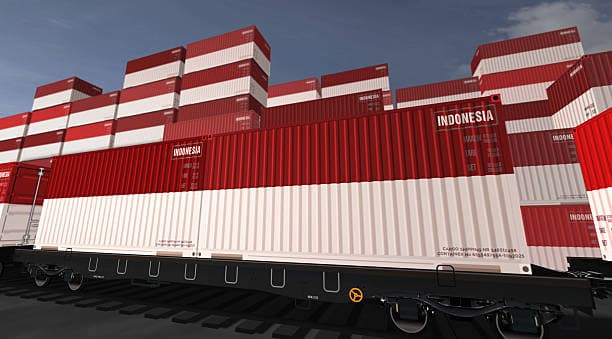
Indonesia’s booming HPAL nickel refining pushes sulfuric acid demand to new highs, exposing the sector to Gulf sulfur supply risks. With convoys resuming, refiners must act swiftly to secure long‑term contracts before premiums rise again. The next 18 months will define margins for battery‑grade nickel producers.

The expiration of the temporary Jones Act waiver has restored standard domestic shipping rules across US chemical logistics. As Gulf Coast supply chains continue recovering, distributors and manufacturers are once again navigating a tighter domestic tanker market and higher coastwise transportation costs.

Kpler confirmed 34 vessel crossings through Hormuz on June 30, a sixfold increase over June’s average daily traffic. For chemical procurement professionals, the number signals the first meaningful Gulf supply recovery in months, but sustained movement over the next 48 hours will determine whether true normalization has begun.

Venator Materials’ looming debt restructuring could reduce European TiO2 output, tightening supply for coatings, plastics, and paper. With Gulf feedstock constraints and high shipping costs, the industry faces higher lead times and costs. Buyers must now assess supplier stability as a core procurement factor.
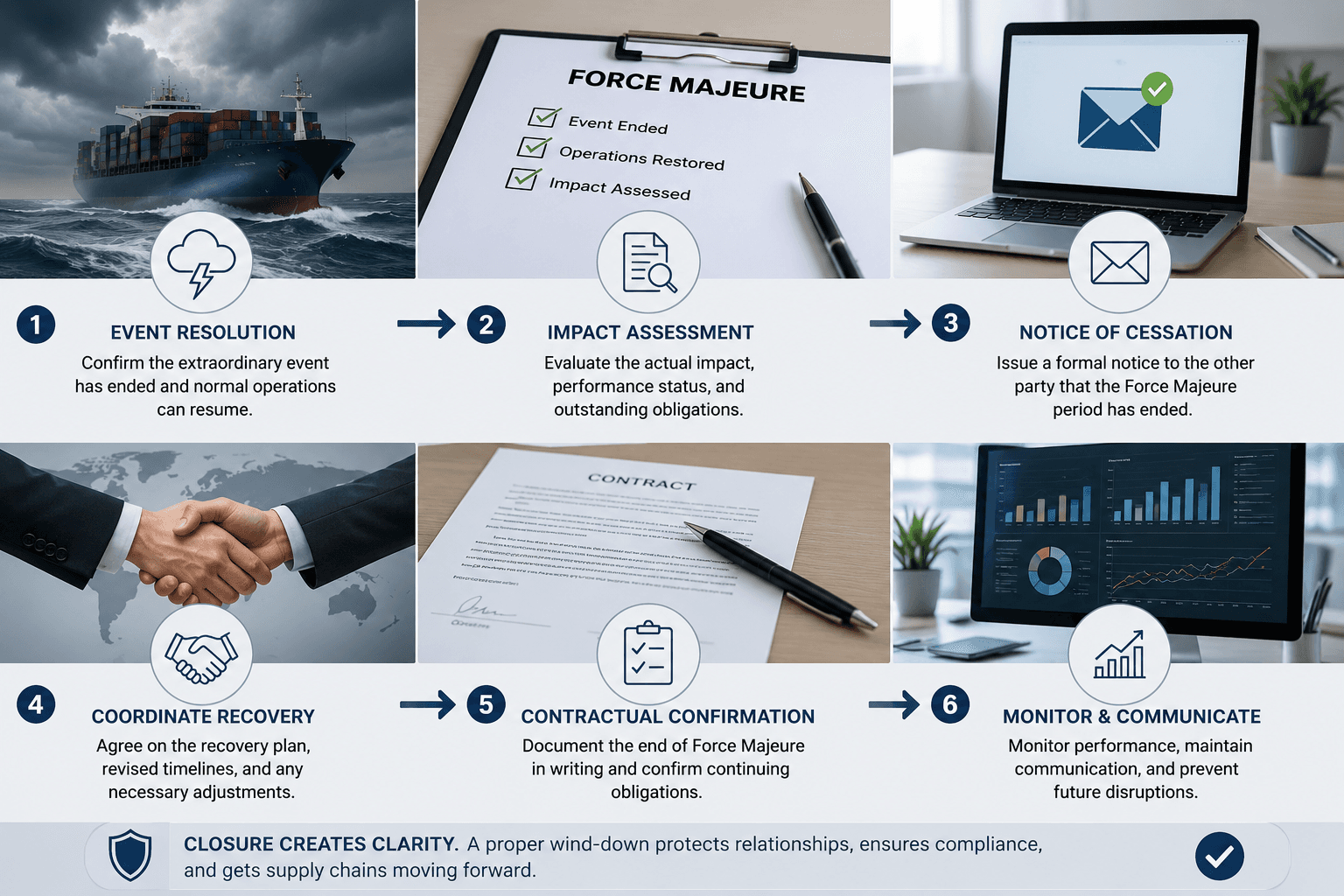
As global supply chains recover from the 2026 Hormuz disruption, companies must actively manage the formal closure of force majeure periods. Proper notice, pricing review, delivery schedule amendments, and legal review are critical to avoiding contract disputes after supply resumes.
We're committed to your privacy. Tradeasia uses the information you provide to us to contact you about our relevant content, products, and services. For more information, check out our privacy policy.