Related Insights

Force Majeure Declarations Loom: What Chemical Procurement Teams Should Know About Contract Risk
Prolonged geopolitical disruption is increasing the likelihood of force majeure declarations across energy and chemical supply chains. Procurement and legal teams should review contracts, supplier obligations and contingency plans before disruptions escalate.

Plant-Based Proteins: Why Traceability Is the New Competitive Edge for Ingredient Procurement
As demand for textured soy protein and other plant-based ingredients grows, traceability has become a key requirement for regulatory compliance and supply chain confidence. Procurement teams should strengthen ingredient transparency to protect product quality and market access.
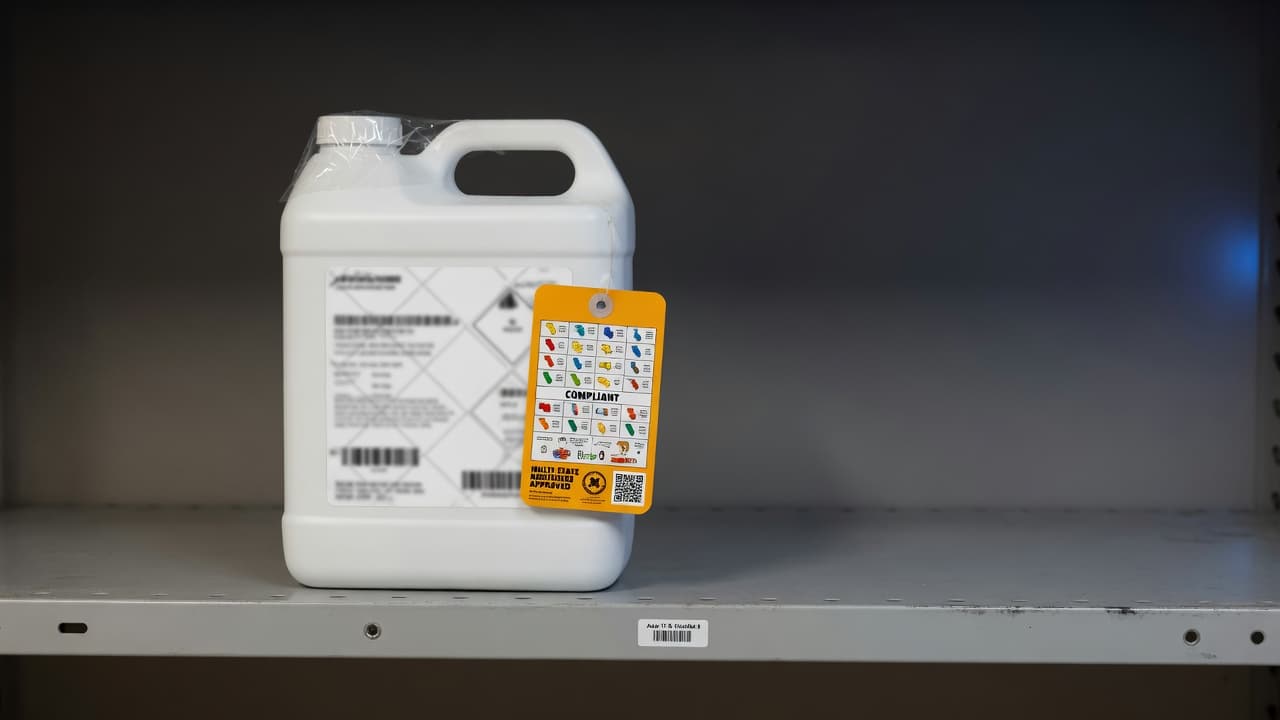
State PFAS Laws and the Federal Patchwork: What Multi-State Chemical Companies Must Manage
State PFAS regulations continue to evolve across the United States, creating new compliance challenges for manufacturers, distributors and procurement teams. This guide explains how differing state requirements affect companies selling PFAS-containing products across multiple markets.

Pharmaceutical Excipient SVHC Watch: What ECHA's July Update Means for Excipient Compliance
ECHA's upcoming SVHC candidate list update could introduce new compliance obligations for pharmaceutical excipient supply chains. Procurement and regulatory teams should prepare monitoring procedures to identify affected substances as soon as new candidate entries are published.

Electronic Chemicals and the Semiconductor Supply Chain: Congress Tightens Focus on Critical Minerals
Electronic chemicals and specialty gases are now seen as defense‑critical, as a July 2026 CRS report highlighted the risk of Hormuz disruptions to sulfur and rare‑gas supplies. Congress is moving to classify these materials, unlocking federal incentives and reserve mechanisms. Procurement managers must map their portfolios to align with the new security‑of‑supply framework.

CBAM Q2 2026 Reporting Deadline: What Chemical Exporters Must Submit Before July 31
EU’s Carbon Border Adjustment Mechanism (CBAM) Q2 2026 reporting deadline falls on July 31. Chemical exporters must compile verified embedded‑carbon data for their products, align with EU ETS rules, and submit the required CBAM declarations to avoid penalties.
Don't miss out on our updates! Subscribe to our newsletter now
We're committed to your privacy. Tradeasia uses the information you provide to us to contact you about our relevant content, products, and services. For more information, check out our privacy policy.