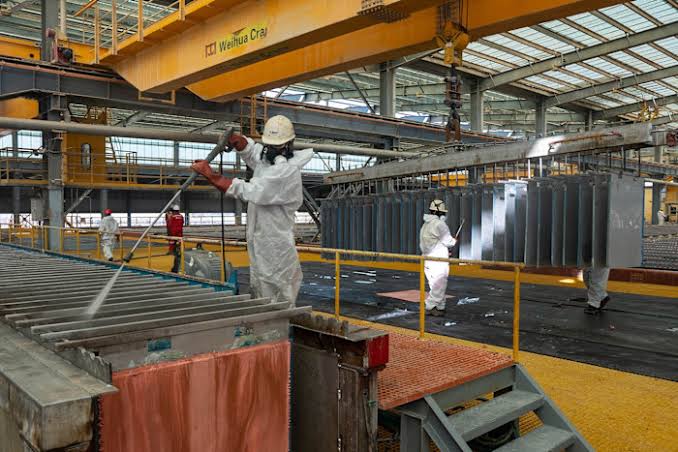
Ferrous Sulfate Monohydrate CAS: 13463-43-9
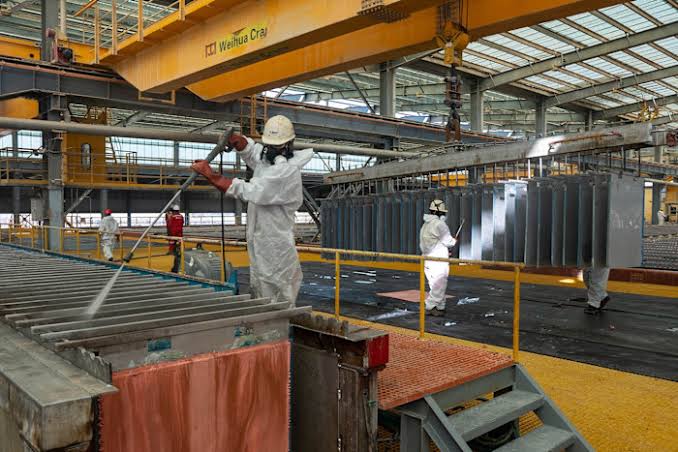
Ferrous Sulfate Monohydrate CAS: 13463-43-9

The Congressional Research Service report shows that 40% of U.S. agricultural urea arrives by water, exposing a strategic vulnerability. Legislative responses are reshaping maritime corridors and regional infrastructure. These changes aim to strengthen supply chain resilience for domestic markets.

Ammonia availability in Q3 2026 is rebounding, shifting power back to sellers. Indian buyers, once dominant in phosphoric acid pricing, now face tighter margins and less bargaining room. Learn how supply dynamics reshape fertilizer procurement strategies.

The latest UN food security assessment shows improving fertilizer supply but persistent risks for import‑dependent agricultural economies. While global fertilizer availability has steadied, price volatility and supply chain disruptions continue to threaten food security in vulnerable regions.

Japan's steam cracker sector has reached a critical decision point as naphtha supplies improve after months of disruption. Procurement teams, aromatics buyers and petrochemical traders should closely monitor Q3 operating plans because they will shape regional supply, pricing and contract negotiations across Asia.

The PE and PP market outlook for 2026 remains shaped by slow supply recovery, ongoing risk premiums and Gulf production constraints after Hormuz disruptions. Buyers should prepare for a longer normalization period instead of expecting immediate returns to pre-crisis pricing.

As the Hormuz crisis reshapes global oil flows, India’s ONGC is evaluating Venezuelan crude to secure feedstock for its expanding refinery network. This move signals a broader strategy to diversify imports and stabilize the country’s petrochemical supply chain by 2026.
We're committed to your privacy. Tradeasia uses the information you provide to us to contact you about our relevant content, products, and services. For more information, check out our privacy policy.