
Petrochemical markets are entering Q3 2026 with stronger recovery signals, but buyers should not expect prices to fall sharply overnight. Brent crude below $80, improved Strait of Hormuz transit activity and new export developments have created optimism across chemical markets.
For procurement managers, the key message is simple: the direction is improving, but execution will take time. Supply recovery depends on logistics, compliance, inventory rebuilding and contract timing before lower costs fully reach buyers.
Why Petrochemical Prices Are Expected to Correct Slowly
The recent market environment created elevated prices across multiple chemical categories, including polymers, polyester feedstocks and industrial chemicals. Supply disruptions pushed buyers toward alternative sources while logistics costs increased.
As conditions improve, prices may begin moving lower, but several structural factors will slow the adjustment.
The market recovery will likely follow this sequence:
Shipping routes stabilize.
Cargo volumes increase.
Inventories rebuild.
Contract prices gradually reflect improved supply.
This process means buyers may see improved availability before they see significant price reductions.
Hormuz Recovery Still Requires Full Commercial Normalization
The record transit activity through the Strait of Hormuz has improved market confidence, but full commercial recovery requires additional steps.
The central shipping channel still requires further clearance activity before operating at full capacity. Even after routes reopen, the transition back to normal shipping volumes will take time.
For chemical buyers, this means:
Available vessel movement does not immediately equal full supply restoration.
Export terminals need time to clear operational backlogs.
Buyers may continue facing limited spot availability during the transition period.
The market signal is positive, but the logistics recovery timeline remains important.
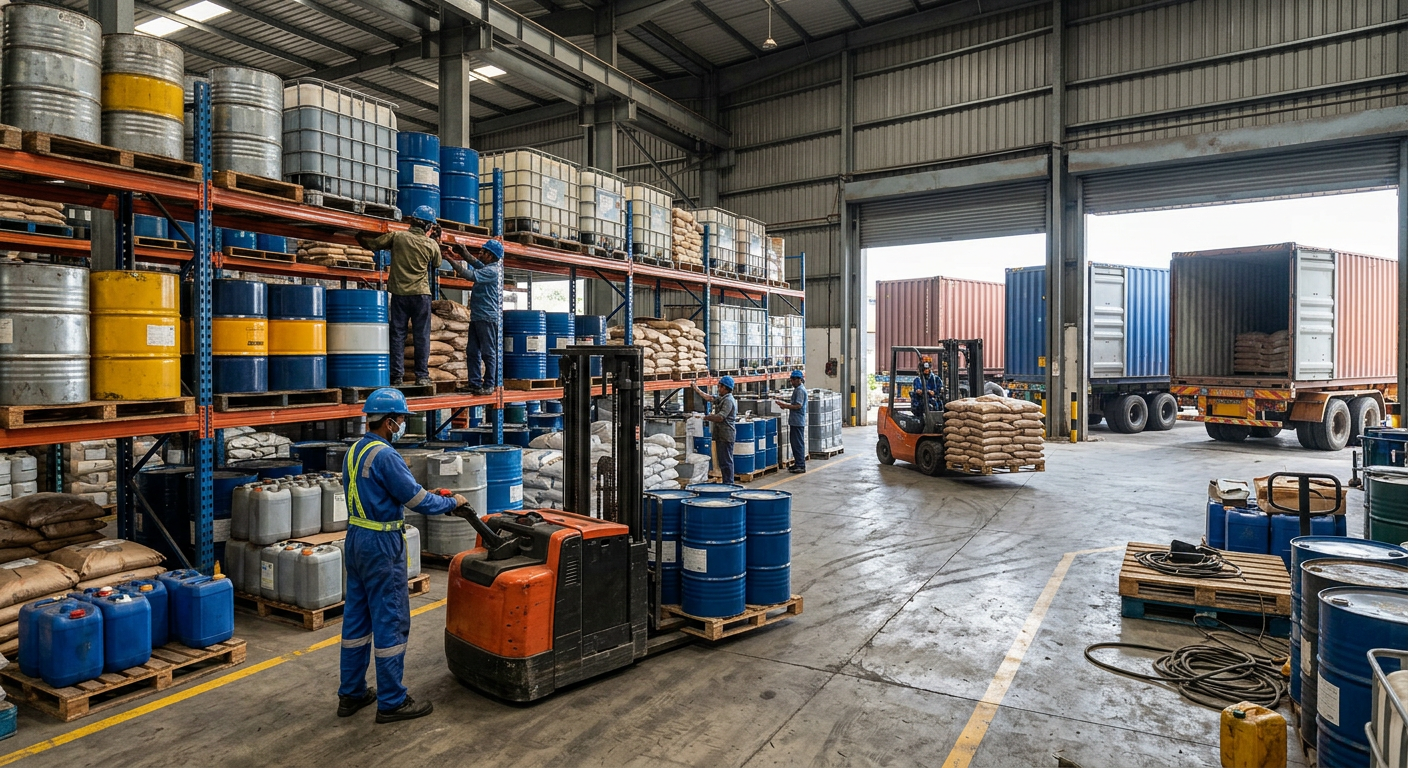
Five Factors Preventing a Sharp Petrochemical Price Decline
Several factors will likely keep the Q3 correction gradual rather than aggressive.
1. Vessel Backlogs Will Limit Immediate Supply Growth
Hundreds of vessels still require movement through Gulf shipping routes. Clearing this backlog will take time and may limit how quickly export volumes increase.
A sudden return of all expected supply is unlikely because logistics systems need time to normalize.
2. Iran Export Waivers Need Regulatory Clarity
Iran’s petrochemical export waivers have created expectations of additional supply returning to the market. However, buyers still need clarity around sanctions implications and transaction requirements.
For many international buyers, compliance review remains a necessary step before purchasing Iranian-origin material.
Procurement teams should evaluate:
Origin restrictions.
Payment mechanisms.
Internal compliance requirements.
Shipping documentation.
Supply availability alone will not determine market access.
3. Freight Costs Will Take Time to Normalize
Lower crude prices improve the cost environment, but freight markets usually adjust more slowly.
Alternative routing, vessel availability and insurance conditions can keep delivered chemical costs elevated even when production costs begin improving.
For import-dependent buyers, freight remains a key part of the final purchase decision.
4. Existing Contracts Delay Price Adjustments
Chemical markets do not immediately reflect spot supply changes because many buyers and sellers operate through monthly or quarterly contracts.
Contracts being negotiated during the recovery phase may still include higher pricing assumptions from earlier market conditions.
This creates a typical market lag:
Supply improves first.
Spot prices adjust next.
Contract prices follow later.
Historical market behavior suggests this adjustment can take several weeks.
5. Demand Recovery Will Influence the Speed of Correction
Lower prices depend not only on more supply but also on demand conditions.
If downstream industries recover strongly, additional supply may be absorbed quickly. If demand remains weak, producers may face inventory pressure.
Key demand indicators include:
Packaging production.
Textile operating rates.
Automotive manufacturing.
Construction activity.
Impact on Major Petrochemical Buyers in Q3 2026
Different buyers will experience the recovery differently depending on their raw materials and supply exposure.
Polymer buyers may benefit from improving availability, but freight and contract timing will remain important.
Polyester producers will monitor MEG and PTA supply recovery closely because feedstock availability affects production planning.
Industrial chemical users may see better sourcing options as global trade flows normalize.
The common requirement across sectors is better supply visibility.
Procurement Strategy for the Q3 Market Transition
Procurement teams should avoid two extremes: purchasing too aggressively before recovery or delaying all purchases expecting immediate price declines.
A balanced approach includes:
Securing critical volumes needed for production continuity.
Comparing multiple supplier origins.
Reviewing freight-adjusted landed costs.
Monitoring market changes weekly.
Buyers with flexible contracts and diversified sourcing options will be better positioned during the transition.
What Chemical Buyers Should Expect Through Q3 2026
The Q3 petrochemical outlook is improving, but recovery will likely happen in stages. Lower crude costs and stronger shipping signals support a more positive market direction, yet physical supply normalization requires time.
The most realistic expectation is gradual price correction rather than a sudden market reset. Procurement managers should plan budgets around improving conditions while accounting for continued short-term volatility.
The Bottom Line for Procurement Teams
Petrochemical markets are moving toward recovery, but the path will be controlled by logistics, compliance and commercial timing. Buyers should treat Q3 2026 as a transition period where supply improves before pricing fully adjusts.
Companies that combine market monitoring with disciplined purchasing decisions can capture opportunities while avoiding unnecessary exposure. Ready to source petrochemical products from verified global suppliers? Explore competitive offers on our platform today.
Ammonium Polyphosphate CAS: 68333-79-9