The Hormuz Crisis and Yamal’s Surge
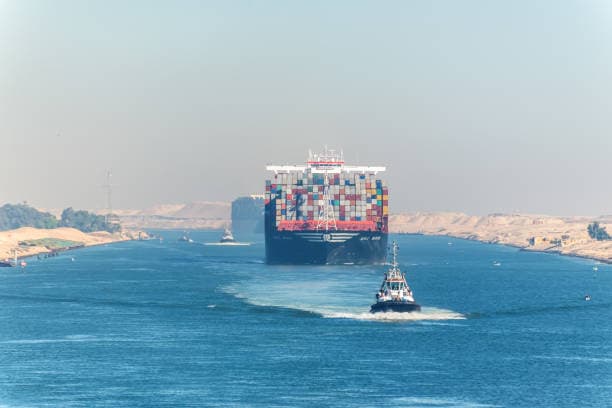
With the 2025‑26 Hormuz crisis tightening Gulf LNG flows, European buyers pivoted to the Russian Arctic. Yamal LNG’s first‑half 2026 imports hit an unprecedented £3 billion, marking a clear indirect win for Russia. While political sensitivities remain high, the immediate effect was a surge in regasification capacity utilization across the North Sea and Baltic basins.
Regasification Capacity: A Bottleneck and an Opportunity
European LNG terminals operate at near‑full load when Russian cargoes arrive. This competition for regasification slots forces traditional Gulf suppliers to pay higher spot premiums, indirectly inflating feedstock costs for all downstream users. However, the increased gas availability also stabilises short‑term pricing for ammonia and methanol producers, who rely on gas as the primary feedstock.
Implications for the Chemical Sector
The chemical industry’s sensitivity to energy input costs is well‑documented. In 2026, the following trends emerged:
Ammonia production: Plants in the Netherlands and Belgium saw a 12% drop in gas cost per tonne of NH3, improving margin projections.
Methanol output: German facilities reported a 9% reduction in feedstock expenses, bolstering competitiveness against US Gulf‑linked producers.
Petrochemical feedstocks: Naphtha‑linked processes, already margin‑strained, benefited marginally from lower gas prices but faced limited upside due to the higher capital costs of switching feedstock types.
Spot LNG Premiums and Competitive Dynamics
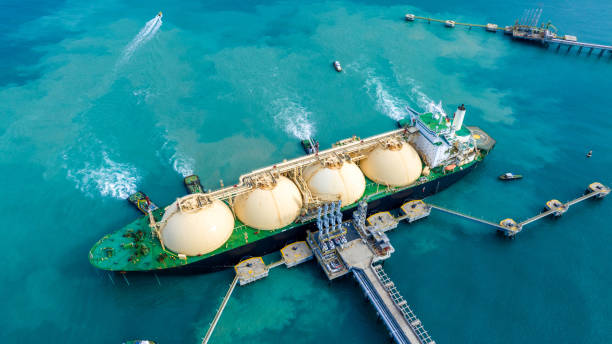
Despite the overall gas price decline, spot LNG premiums remained elevated—averaging 18% above US Gulf rates in Q2 2026. This premium eroded the full advantage that Yamal LNG offered, keeping European ammonia and methanol producers still at a cost disadvantage relative to their US counterparts.
Structural Vulnerability Revealed
The Yamal episode exposed a deeper reliance on external gas supplies. Key observations include:
Supply chain interdependency: Many European chemical suppliers source gas from Yamal‑linked regas plants, creating a hidden exposure for end‑users.
Sanctions risk: While direct Russian gas purchases are avoided, indirect use of Russian imports via European terminals introduces a regulatory compliance layer.
Capacity constraints: Regasification terminals are finite; future geopolitical shifts could further restrict access, impacting feedstock availability.
Procurement Strategy Adjustments
For procurement teams, the following actions are recommended:
Conduct a supply‑chain audit to identify suppliers using Yamal‑linked gas.
Incorporate a sanctions‑risk matrix when evaluating future contracts.
Explore dual‑feedstock strategies (e.g., gas + naphtha) to hedge against gas volatility.
Negotiate fixed‑price gas contracts where possible to lock in lower rates before premium spikes.
Looking Ahead: 2027 Outlook
As the market stabilises, European chemical manufacturers may see:
Gradual normalization of LNG spot premiums as Gulf supplies resume.
Increased investment in regional gas storage to buffer against future disruptions.
Accelerated adoption of renewable‑gas alternatives (e‑methane) to reduce dependence on imported LNG.
Yamal LNG’s record imports in 2026 provided a temporary lifeline for European ammonia and methanol producers but also highlighted the sector’s susceptibility to external supply shocks. Strategic procurement and risk management will be crucial to navigate this evolving landscape.
Methanol CAS: 67-56-1