Related Insights
Trump Cuts 20% Hormuz Toll, A Rare De‑Escalation Amid Global Turbulence
In a surprising shift, President Trump has announced the removal of a proposed 20% toll on ships transiting the Strait of Hormuz. The decision offers temporary relief to shipping companies but is set against a backdrop of heightened geopolitical tensions. Maritime analysts examine how this change could reshape freight costs and chemical logistics for the next quarter.
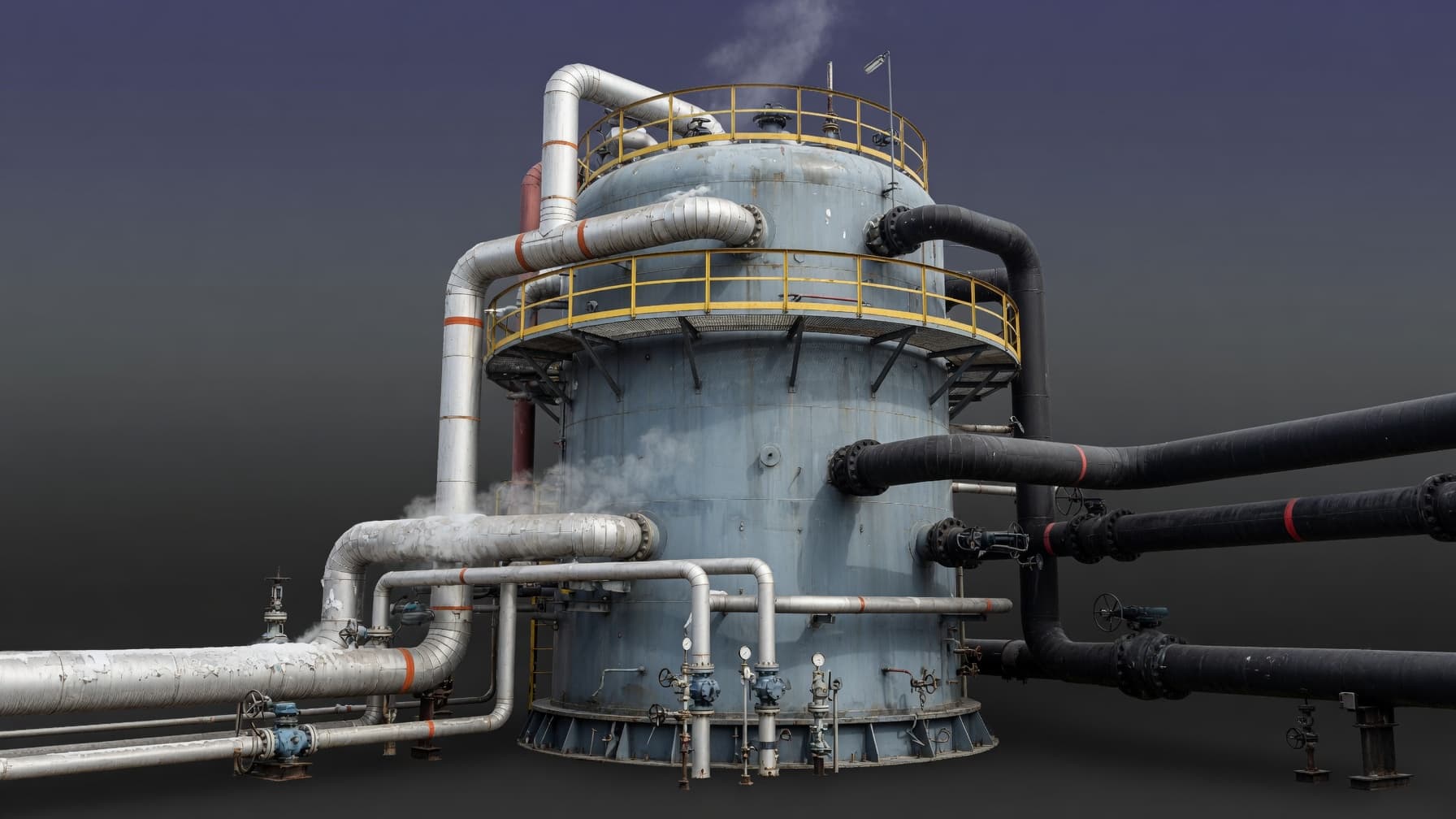
Germany's Chemical Capacity Utilization Stuck at 75.1%: What VCI's Unprofitable Threshold Means for Buyers
German chemical capacity utilization improved slightly to 75.1% but remains below the level needed for profitable production. With VCI expecting output to fall again across 2026, procurement teams should prepare for restructuring, reduced local availability and greater import dependence.
Hormuz Index at 90: Why Supply Chain Risk Remains Elevated Despite Convoy Operations
The recent improvement in convoy operations through the Strait of Hormuz has lowered the Hormuz Index, yet it remains alarmingly high at 90. Supply chain risk is still significant because factors beyond vessel movements—such as geopolitical tensions, port constraints, origination volatility, and cybersecurity threats—continue to loom. Chemical procurement teams must broaden their monitoring scope to stay ahead of these risks.
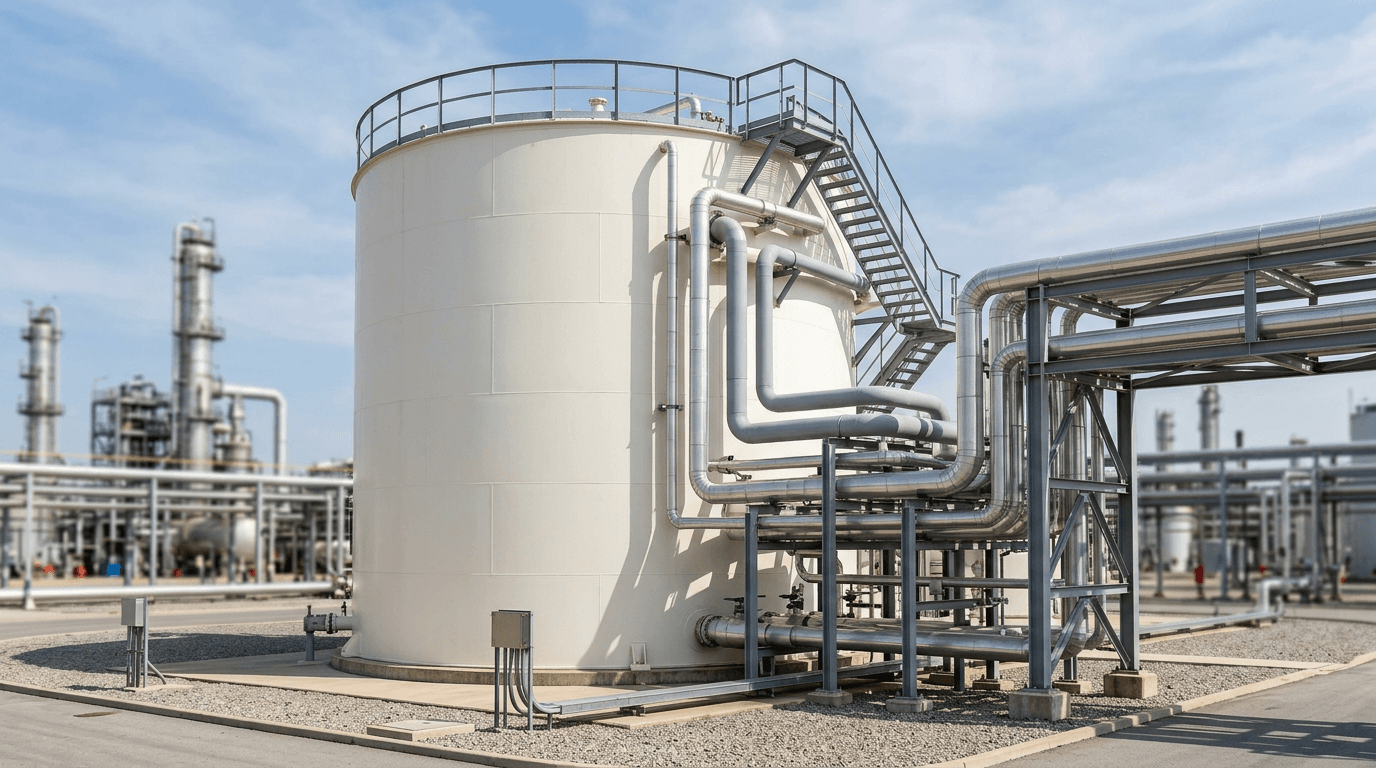
Strait of Hormuz Supply Risk: What Chemical Buyers Should Do Amid Iran Talks Uncertainty
Conflicting statements about Iran negotiations create uncertainty for global chemical procurement teams. The latest Strait of Hormuz supply signals show why buyers should rely on verified logistics data instead of political headlines.
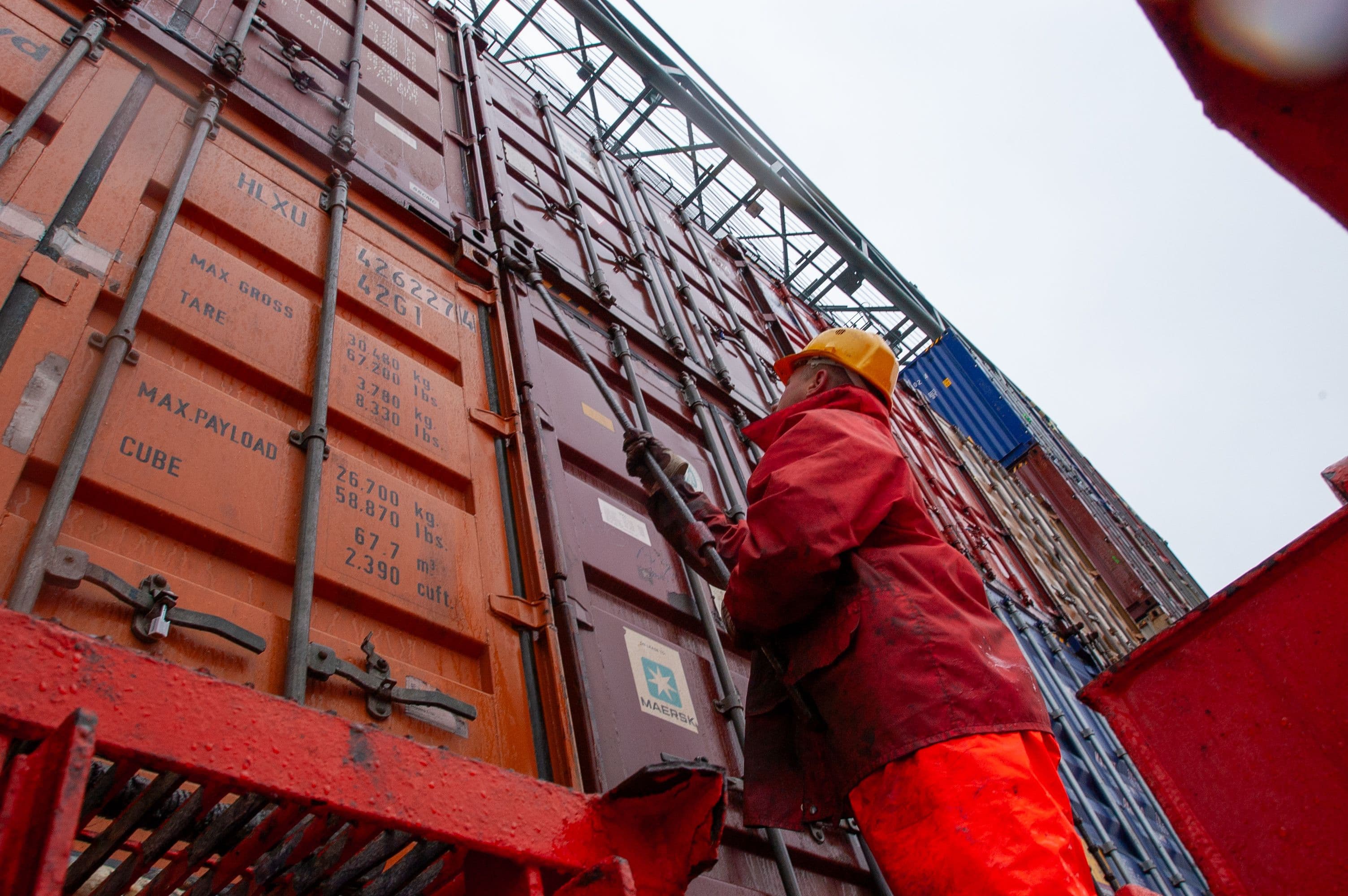
Hydrogen Peroxide Market Review: H1 2026 Supply Tightness and H2 Outlook
Hydrogen peroxide markets closed H1 2026 with supply pressure driven by structural changes rather than short-term geopolitical disruption. Buyers in electronics and industrial sectors need a different risk approach for this specialised chemical.
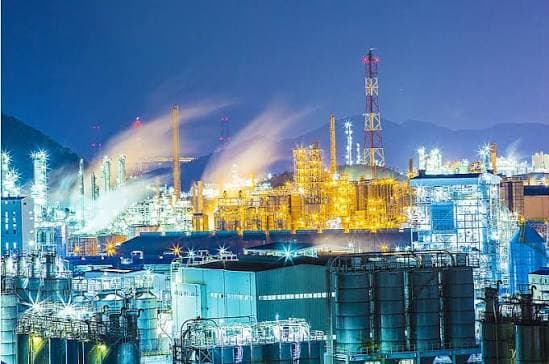
South Korea Chemical Watch: H1 2026 Closing Review of the Force Majeure Wave
South Korea's petrochemical industry closes H1 2026 after experiencing the most extensive force majeure declarations of any major chemical-producing nation during the Hormuz disruption. As feedstock supplies recover, buyers and suppliers are shifting their focus toward contract resumption and Q3 delivery planning.
Don't miss out on our updates! Subscribe to our newsletter now
We're committed to your privacy. Tradeasia uses the information you provide to us to contact you about our relevant content, products, and services. For more information, check out our privacy policy.