Feedstock Divergence Drives Sorbitol Market Dynamics
From Palm to Corn: The Feedstock Frontier
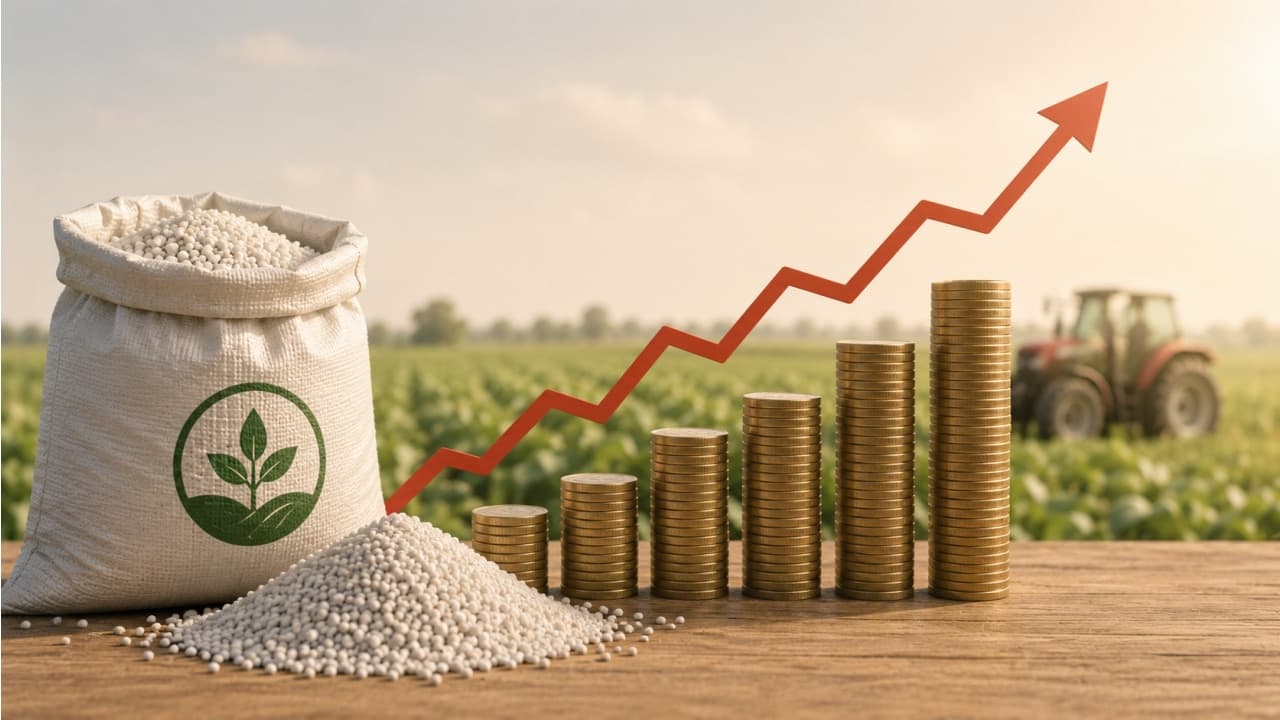
The global sorbitol market is at a turning point, driven by a stark divergence in feedstock availability. While palm glucose has traditionally dominated the supply chain due to its lower cost and high availability in Southeast Asia, recent supply constraints and regulatory pressures are pushing manufacturers toward corn glucose and tapioca glucose alternatives. This shift is not merely a substitution; it redefines the cost structure, environmental footprint, and regulatory compliance landscape for sorbitol producers worldwide.
Pricing Implications for Chinese Sorbitol Suppliers
Cost Advantage Through Corn Glucose
Chinese sorbitol suppliers are positioned to benefit significantly from the corn glucose trend. Corn glucose, sourced from U.S. and European corn mills, typically presents a 5–10% price premium over palm glucose but offers superior process efficiency and lower energy consumption during fermentation. As a result, the overall sorbitol pricing curve has shifted downward for Chinese manufacturers who have already integrated corn‑based upstream processes. This cost advantage translates into more competitive pricing for food ingredients, pharmaceutical excipients, and cosmetic ingredients, strengthening China’s foothold in global export markets.
Compliance and Market Access: EUDR in Focus
Ensuring Sustainable Sourcing
With the European Union’s Deforestation Regulation (EUDR) tightening, sorbitol sourcing from palm oil–derived glucose faces heightened scrutiny. The regulation mandates rigorous traceability and certification for any palm oil inputs. Chinese suppliers who pivot to corn or tapioca glucose sidestep these compliance hurdles, reducing the risk of regulatory delays or trade barriers. Moreover, the EUDR framework encourages the adoption of low‑impact feedstocks, positioning corn glucose as a preferred choice for companies aiming to meet EU sustainability criteria.
Applications and Demand Drivers
Food, Pharma, and Cosmetic Uses
Demand for sorbitol remains robust across multiple sectors. In the food industry, sorbitol is prized as a low‑calorie sweetener and humectant in confectionery, baked goods, and sugar‑free products. Pharmaceutical manufacturers use sorbitol as a binder, filler, and excipient in tablets, capsules, and syrups, capitalizing on its hygroscopic properties and biocompatibility. The cosmetic sector values sorbitol for its moisturizing effect, making it a common ingredient in lotions, creams, and shampoos. The diversification of applications amplifies the value proposition of a stable, low‑price sorbitol supply.
Strategic Sourcing Recommendations
What Buyers Should Do Now
Conduct a comparative cost analysis of palm, corn, and tapioca glucose feedstocks, factoring in transportation, processing, and regulatory compliance.
Engage with Chinese sorbitol suppliers early to secure contracts that include EUDR‑compliant sourcing clauses.
Audit supply chain transparency to verify the origin of glucose, ensuring alignment with EU sustainability mandates.
Explore long‑term partnership agreements that lock in favorable pricing and secure raw material availability amid market volatility.
Monitor commodity price trends and feedstock inventories, adjusting procurement strategies to capitalize on short‑term price movements.
Conclusion
Feedstock divergence is reshaping the sorbitol market, offering Chinese suppliers a decisive pricing edge while simultaneously demanding heightened compliance with EUDR. Buyers across food, pharmaceutical, and cosmetic sectors should reassess their sourcing strategies, prioritize sustainable and compliant feedstocks, and engage proactively with suppliers to secure reliable, cost‑effective sorbitol supplies. By acting now, companies can capitalize on the current market dynamics and secure a competitive advantage for the years ahead.
Sorbitol Liquid (E420(ii)) CAS: 50-70-4