Cetyl Palmitate CAS: 0540-10-3

Cetyl Palmitate CAS: 0540-10-3
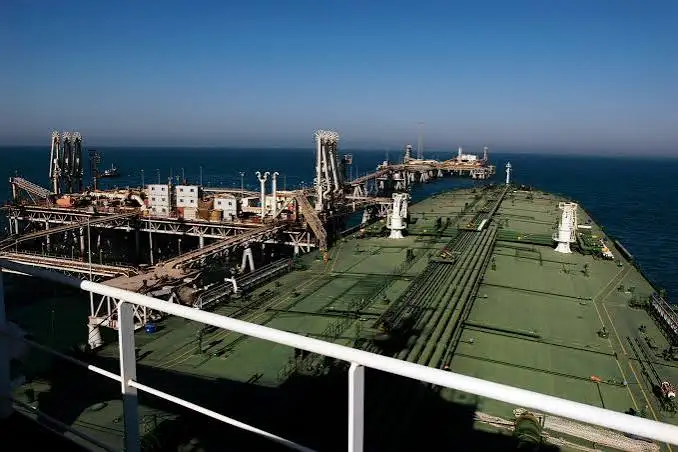
Iran’s proposal to charge “service fees” for Hormuz passage could permanently reshape the economics of global chemical trade. If transit charges become permanent, Gulf-origin chemical supply chains may face $500 million to $1.5 billion in additional annual costs that buyers will ultimately absorb through higher contract pricing.
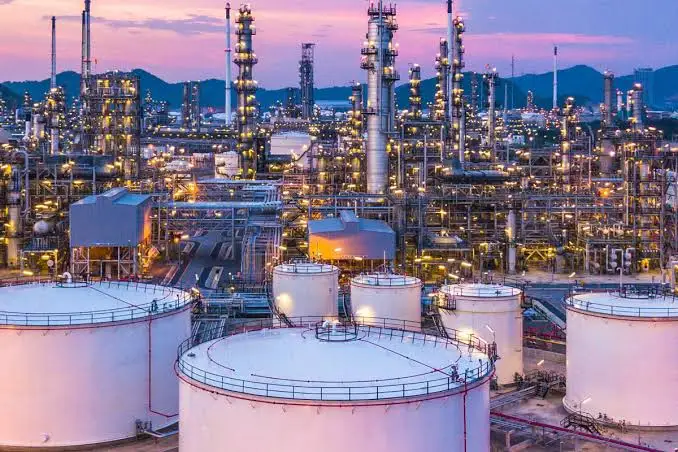
Saudi Arabia's chemical industry closes H1 2026 with SABIC's Ras Tanura terminal restart marking the clearest signal that Gulf petrochemical exports are recovering. As Q3 deliveries resume, international buyers should focus on contract sequencing and supplier engagement rather than assuming immediate spot market availability.
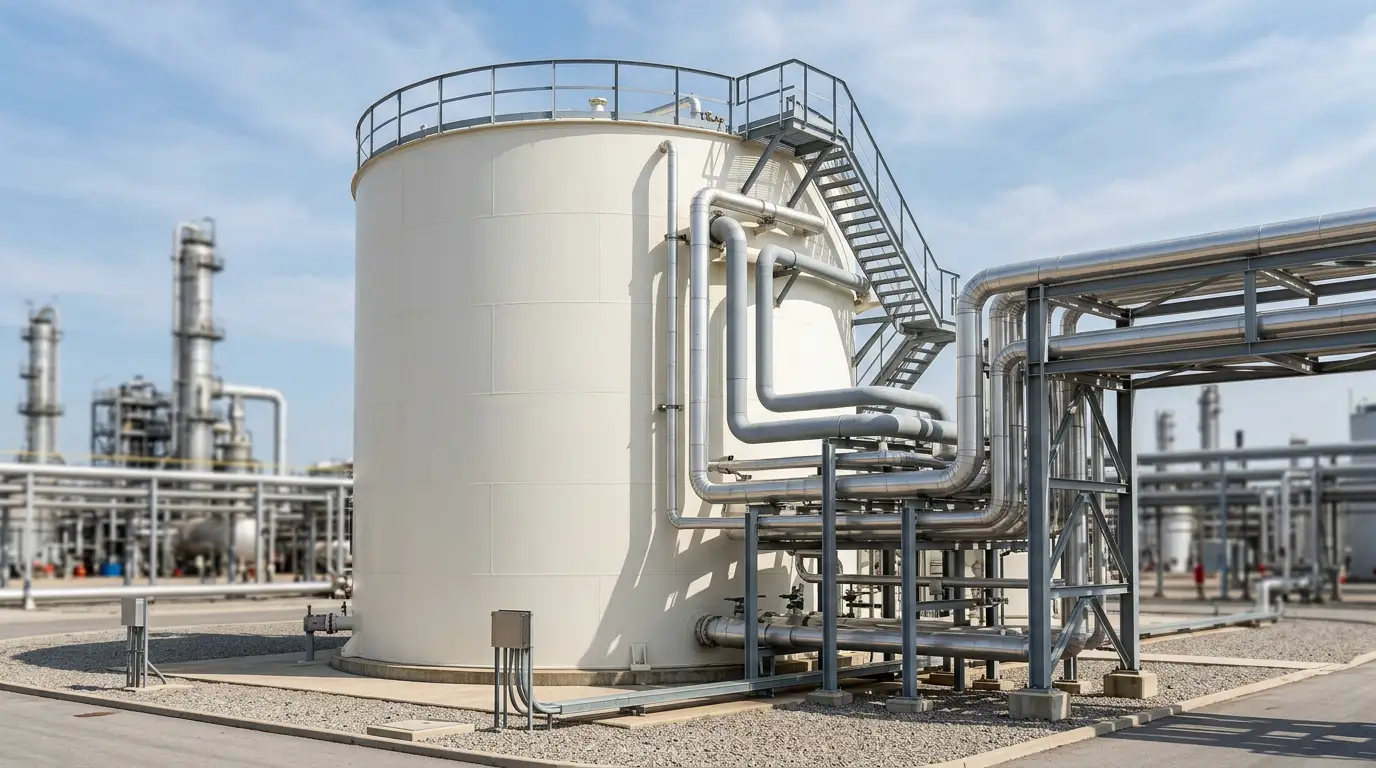
Gulf caustic soda supply is returning as Hormuz trade flows recover, creating new competition for Asian chemical suppliers. This analysis explains how buyers can prepare for changing pricing and sourcing options in Q3 2026.
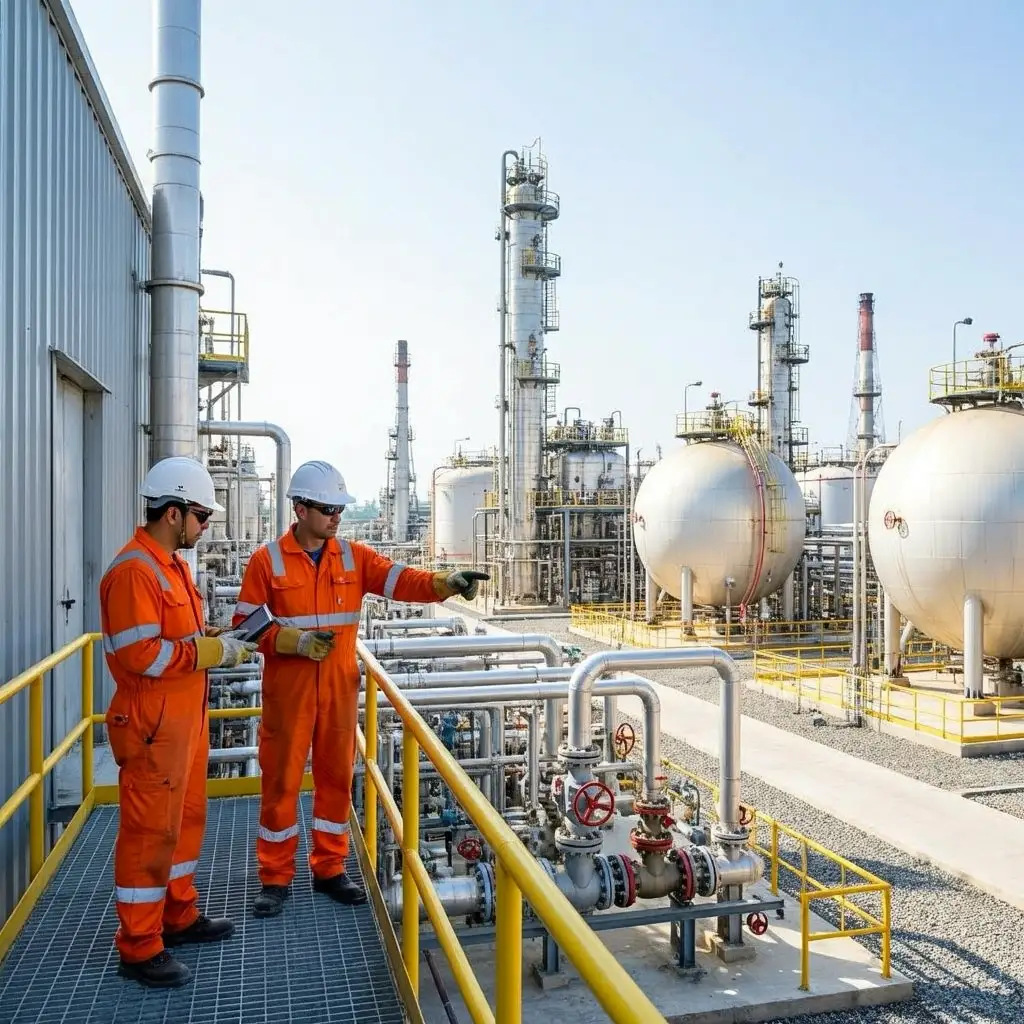
Sulfuric acid buyers face continued supply planning challenges as Hormuz recovery progresses but shipping restrictions remain. This analysis explains the impact on fertilizer, mining and industrial users through Q3 2026.
Brent crude has returned to pre-war levels, creating a new opportunity for food ingredient buyers to reduce landed costs. July freight adjustments give procurement teams a timely chance to renegotiate contracts across major sourcing regions including China, Southeast Asia and India.
We're committed to your privacy. Tradeasia uses the information you provide to us to contact you about our relevant content, products, and services. For more information, check out our privacy policy.