The Southeast Asian polymer market has entered a new phase in June 2026. After months of aggressive stockpiling triggered by geopolitical tensions around the Strait of Hormuz, buyers of polyethylene (PE), polypropylene (PP) and PVC have largely stepped back from emergency purchasing.
The change does not signal a return to normal market conditions. Instead, converters across the region now purchase only what they need for immediate production. This shift reflects tighter cash management, higher financing costs and a desire to avoid carrying expensive inventories. Even so, PE and PP prices remain supported because supply availability remains well below levels seen before the March-April disruption.
Why Panic Buying Dominated Earlier in 2026
The initial escalation around the Strait of Hormuz created significant uncertainty for petrochemical supply chains.
Many polymer converters feared prolonged disruptions to feedstock movements, shipping routes and regional resin availability. As a result, buyers rushed to secure material before shortages became more severe.
Several factors amplified the buying frenzy:
Converters expected further price increases and sought to lock in inventory before costs moved higher.
Importers worried about shipment delays and longer transit times across major trade routes.
Producers and traders reduced offer volumes due to uncertainty regarding future feedstock availability.
End users across packaging, consumer goods and industrial sectors wanted uninterrupted production schedules.
The result was an unusually strong purchasing cycle that pushed PE, PP and PVC demand beyond actual consumption requirements.
Need-Based Purchasing Returns to the Market
By June, market participants had reassessed their inventory positions.
Many converters accumulated sufficient stock during the previous months and no longer needed additional volumes beyond their operational requirements. Instead of building safety inventories, buyers now focus on preserving cash flow and improving working capital efficiency.
This shift represents a significant change in procurement behavior.
Rather than purchasing material based on fear of shortages, converters increasingly purchase according to confirmed production schedules, customer orders and short-term demand forecasts. This approach helps reduce financing expenses while limiting exposure to future price volatility.
Working capital optimization has become one of the most important purchasing priorities across Southeast Asia's polymer industry.
Why PE and PP Prices Are Not Falling Back to Pre-March Levels
A reduction in panic buying would normally place downward pressure on polymer prices.
However, the current market differs from a typical demand correction because supply remains constrained.
Before the geopolitical disruption, regional buyers benefited from a relatively balanced supply environment. Today, available material remains significantly lower than historical norms. This imbalance prevents prices from returning to levels seen before the crisis.
Several pricing supports remain in place:
Reduced polymer availability across key trading hubs continues to limit buyer options.
Freight and logistics costs remain elevated compared with pre-crisis conditions.
Market participants continue to factor geopolitical risks into forward pricing decisions.
Producers maintain cautious operating and sales strategies while uncertainty persists.
Even where demand growth has slowed, tight supply conditions provide a floor beneath the market.
The Impact of Persistent Crude Oil Risk Premiums
One of the most important market developments involves energy pricing.
Even if physical disruptions ease and shipping conditions improve, the crude oil market continues to assign additional value to geopolitical risk. Market analysts expect this risk premium to remain embedded in pricing throughout much of 2026.
For PE and PP buyers, this matters because feedstock costs influence polymer production economics.
Higher crude and energy prices affect:
Naphtha production costs.
Olefin feedstocks such as ethylene and propylene.
Manufacturing economics at integrated petrochemical facilities.
Transportation and logistics expenses throughout the supply chain.
As long as energy markets remain sensitive to geopolitical developments, polymer buyers should not expect a rapid return to historical price levels.
Southeast Asia's Most Exposed Polymer End-Use Industries
The shift from panic buying to need-based purchasing affects industries differently.
Packaging manufacturers remain among the largest consumers of PE and PP grades. Many packaging companies continue operating at stable rates, but procurement teams have become more disciplined regarding inventory levels.
Other sectors facing similar adjustments include:
Food packaging producers managing thin margins and fluctuating raw material costs.
Consumer goods manufacturers seeking tighter inventory control.
Automotive component suppliers monitoring resin costs carefully.
Construction material producers balancing demand uncertainty with procurement requirements.
Household product manufacturers focusing on cash preservation strategies.
Across these industries, procurement decisions increasingly rely on demand visibility rather than speculation about future shortages.
Regional Trade Flows Continue to Adjust
Trade flows throughout Asia have not fully stabilized.
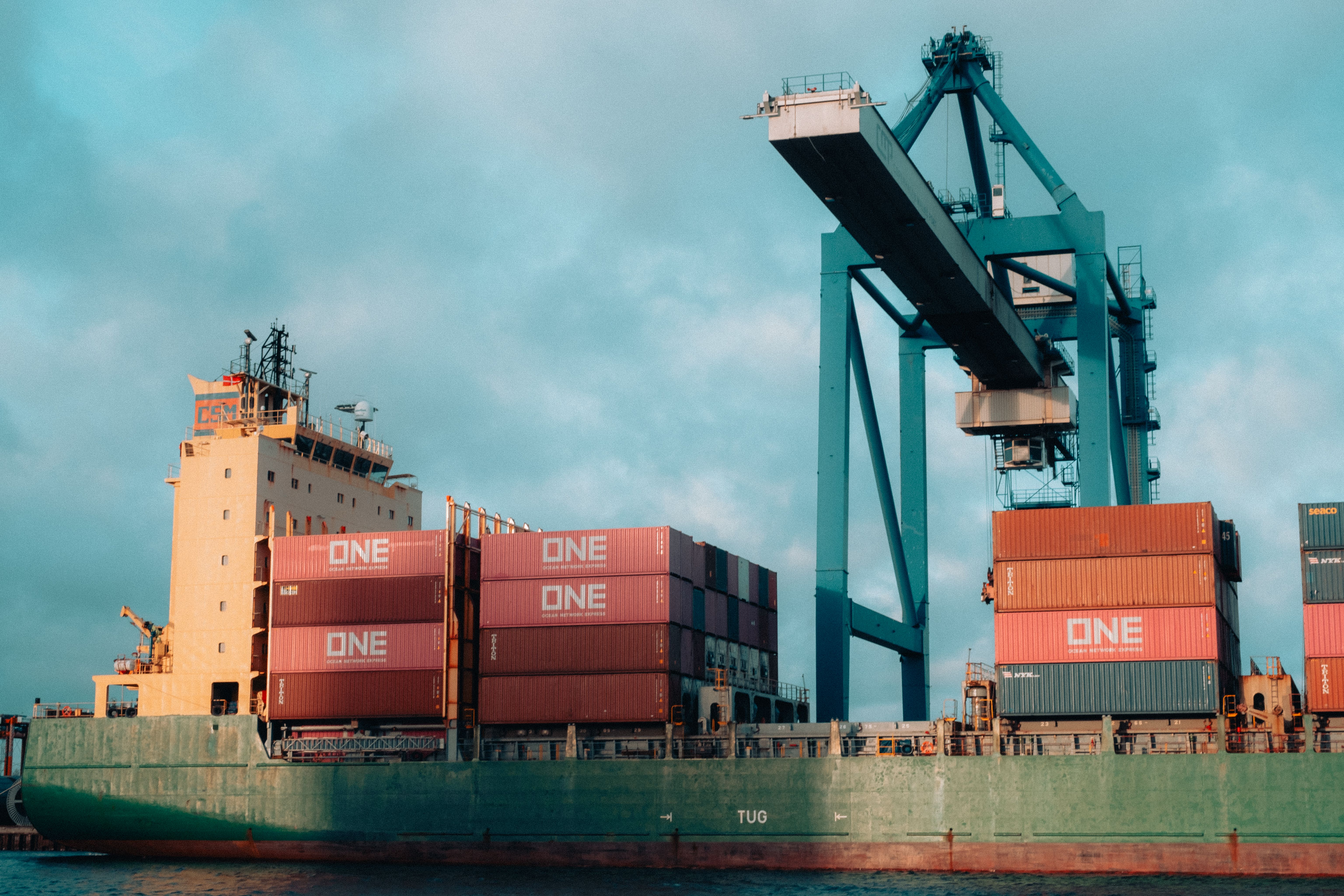
Suppliers continue evaluating regional demand patterns while buyers search for the most competitive sources of material. As a result, traditional trade routes have experienced significant changes during 2026.
Some market participants continue diversifying supplier portfolios to reduce dependence on any single region.
This trend includes:
Expanding relationships with alternative suppliers.
Increasing supplier qualification programs.
Monitoring geopolitical exposure across sourcing regions.
Building greater flexibility into procurement contracts.
These strategies may become permanent features of polymer procurement even after market conditions improve.
Supply Chain Lessons from the 2026 Polymer Disruption
The events of 2026 highlighted vulnerabilities across global petrochemical supply chains.
Many converters discovered that inventory strategies designed for stable markets may not perform well during periods of geopolitical uncertainty. At the same time, excessive stockpiling created its own challenges through increased financing requirements and inventory carrying costs.
Successful buyers generally balanced two objectives:
Maintaining sufficient material availability to support production.
Avoiding unnecessary inventory accumulation that tied up working capital.
This balance remains critical as companies navigate the remainder of the year.
Procurement Strategies for the Second Half of 2026
Procurement teams now face a more nuanced market environment.
The immediate fear that drove panic buying has diminished, yet structural supply tightness remains. Buyers therefore need strategies that reflect both realities.
Key priorities include:
Maintaining regular market intelligence on feedstock and polymer developments.
Tracking inventory turnover more closely.
Negotiating flexible supply agreements where possible.
Evaluating supplier reliability alongside price competitiveness.
Monitoring crude oil trends and geopolitical developments.
Building contingency sourcing plans for critical grades.
Companies that combine disciplined inventory management with diversified sourcing capabilities will likely achieve stronger procurement outcomes.
What Polymer Buyers Should Watch Next
The Southeast Asian PE and PP market has clearly moved beyond the panic-buying phase that characterized March and April 2026. Purchasing behavior now reflects actual production needs rather than fears of immediate shortages.
Yet the market remains far from fully normalized. Supply availability continues to lag historical levels, while energy markets still carry geopolitical risk premiums that support polymer pricing. Buyers should therefore prepare for a market that remains structurally tighter than it was before the Hormuz-related disruption.
For procurement teams, the focus should remain on inventory discipline, supplier diversification and close monitoring of feedstock trends. Companies that maintain flexibility while avoiding unnecessary stock accumulation will be better positioned as the market evolves through the remainder of 2026.
Ready to source polyethylene and polypropylene from verified global suppliers? Explore competitive offers on our platform today.
High Density Polyethylene (HDPE) CAS: 9002-88-4