Boric Acid (99.9% Granular) - Peru CAS: 10043-35-3
Boric Acid (99.9% Granular) - Peru CAS: 10043-35-3
Chinese refining and chemical producers sharply increased price quotations for aromatics and alcohols on July 1, 2026, creating fresh challenges for downstream manufacturers and procurement teams. Buyers should understand what triggered the repricing wave and how it may influence future sourcing strategies.
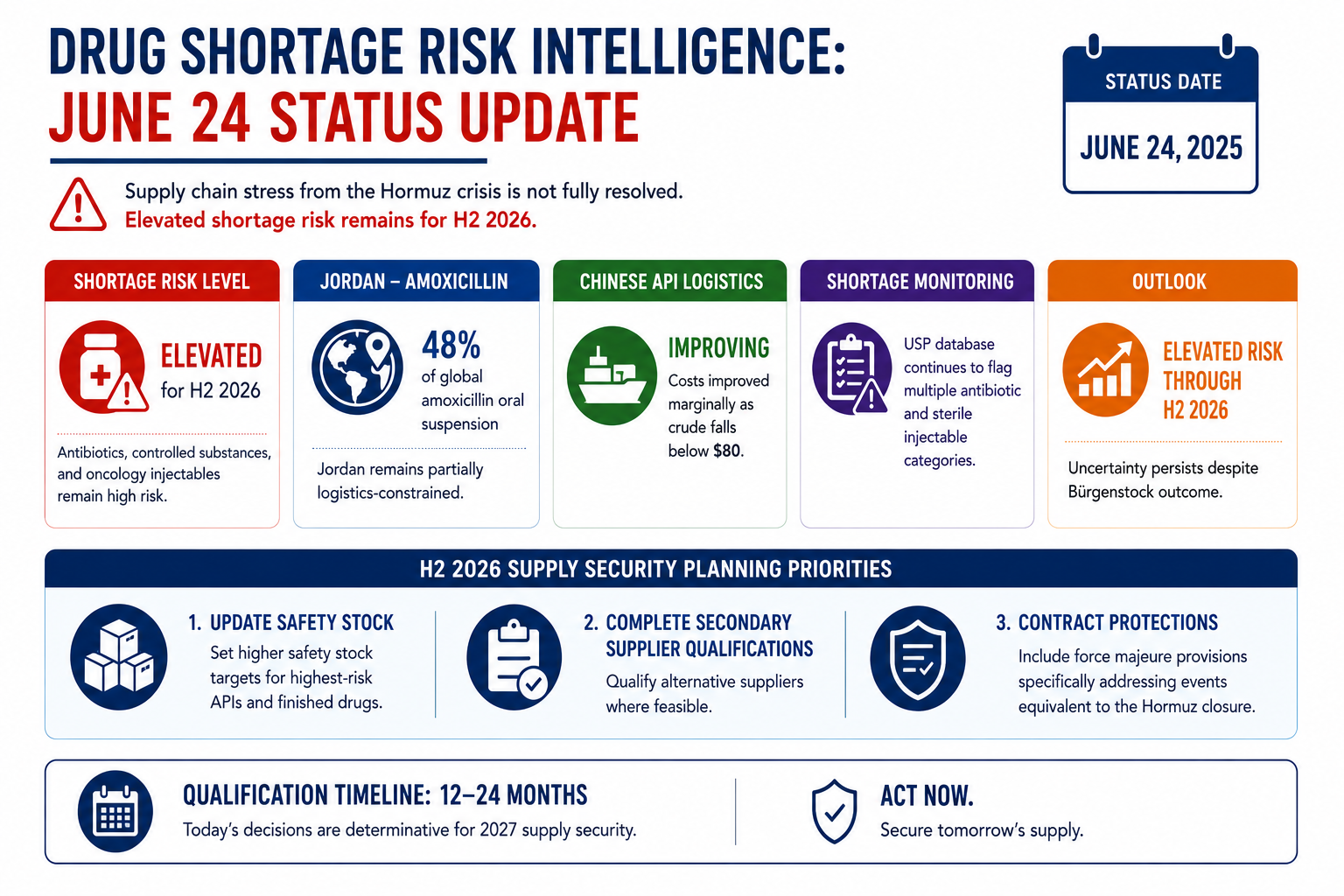
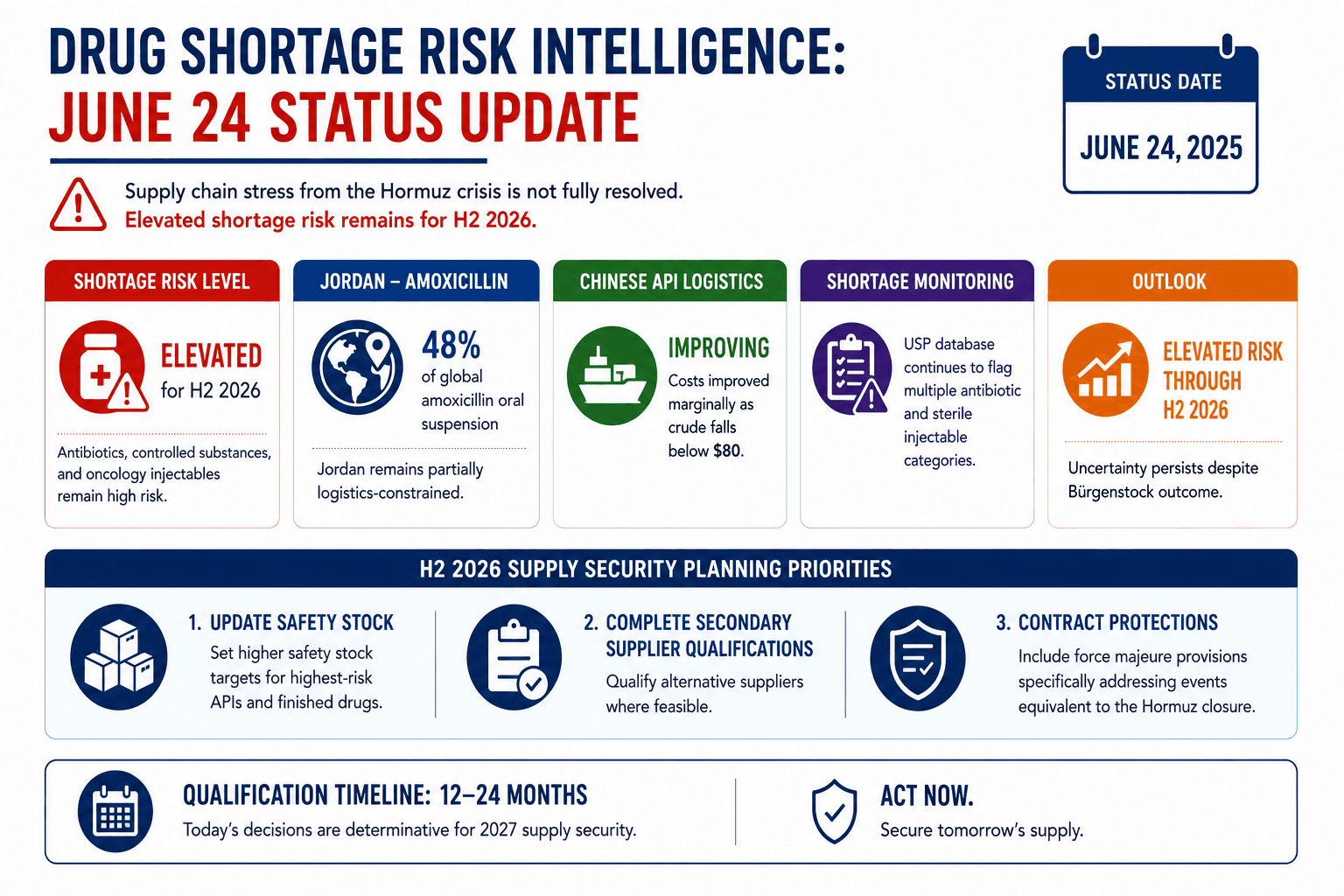
The Strait of Hormuz disruption is increasingly viewed as a long-term turning point rather than a temporary supply shock. Procurement teams are adapting sourcing strategies, supplier networks and inventory policies for a more resilient petrochemical supply chain.
Brent crude has dropped to $72.60 despite ongoing military escalation across the Gulf. This unusual market reaction signals that supply recovery currently outweighs geopolitical risk, creating important implications for petrochemical procurement and chemical pricing in the months ahead.
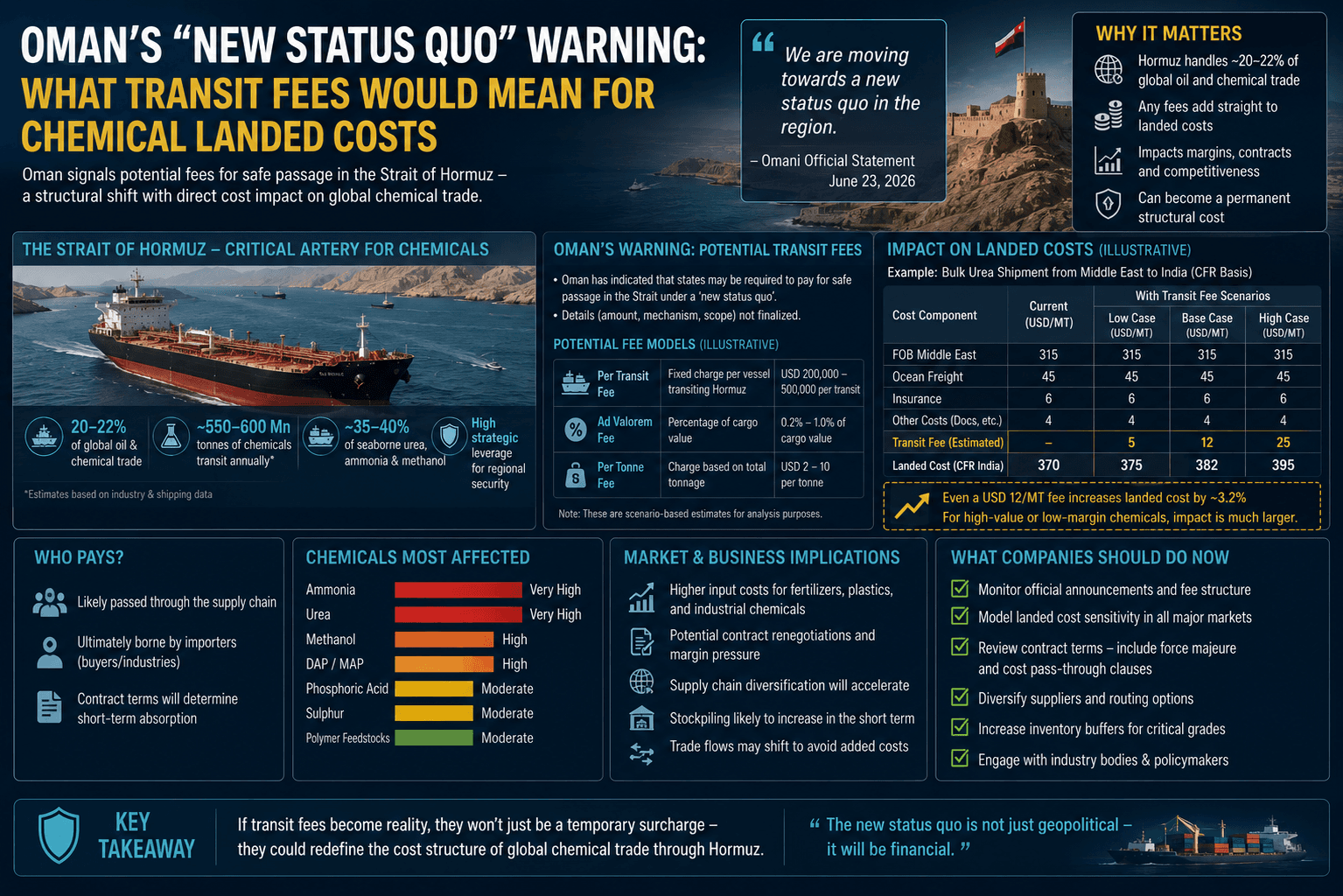
Oman’s warning that Hormuz may never return to pre-war conditions raises the prospect of permanent transit fees for commercial vessels. Chemical buyers should immediately model higher landed costs into H2 2026 procurement planning as Gulf shipping economics may have changed permanently.

Japan's steam cracker sector has reached a critical decision point as naphtha supplies improve after months of disruption. Procurement teams, aromatics buyers and petrochemical traders should closely monitor Q3 operating plans because they will shape regional supply, pricing and contract negotiations across Asia.
Saudi Arabia's Ras Tanura terminal restart is creating fresh opportunities for paraxylene exports into Asia. Procurement teams, PTA producers and chemical traders now have an opportunity to secure Gulf-origin PX supply before market conditions shift during the second half of the year.
We're committed to your privacy. Tradeasia uses the information you provide to us to contact you about our relevant content, products, and services. For more information, check out our privacy policy.