

Related Insights

Rupee Volatility Is Becoming a Critical Compliance Factor in Cross-Border Chemical Contracts
Continued depreciation of the rupee is increasing financial and contractual risks for chemical importers and exporters. Compliance and procurement professionals should strengthen currency risk management as exchange rate volatility becomes a larger component of international contract performance.

EU Tariffs on Russian Fertilizer Redirect Global Trade Flows
The European Union’s new customs duties on Russian nitrogen, phosphate, and potash have forced farmers and traders worldwide to rethink sourcing, logistics, and pricing strategies. This article explores how the tariffs are reshaping global fertilizer markets, freight routes, and procurement decisions across the agricultural supply chain.

Sulfur and Aluminum Supply at Risk: What the Hormuz Crisis Means for Chemical Procurement
The Strait of Hormuz disruption extends beyond oil markets, affecting sulfur, aluminum, methanol and graphite that support global chemical manufacturing. Procurement teams should reassess sourcing strategies as industrial raw material risks continue to evolve.
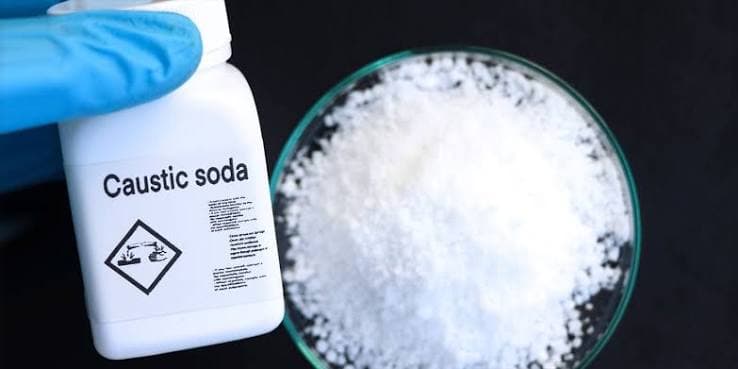
Caustic Soda and Chlor-Alkali: Gulf Competition Re-Enters as India Duty Resets
July 2026 is reshaping the chlor-alkali market as Gulf producers begin restoring caustic soda exports while India reinstates import duties after ending its emergency waiver. Procurement teams across Southeast Asia should immediately reassess sourcing strategy as regional supplier competitiveness enters a new phase.

Commodity Chemical Procurement Intelligence Week of June 29, 2026: Ten Market Signals Buyers Must Track
Chemical buyers are facing one of the most complex procurement environments of 2026 as energy prices fall, Gulf supply recovers and geopolitical risks remain elevated. This weekly briefing highlights the critical signals shaping commodity chemical sourcing decisions.

Fertilizer Food Security: UN Update — 9.1 Million Food-Insecure People Risk Contingent on July Supply
The UN warns 9.1 million more people in Asia could face acute food insecurity if fertilizer supply disruptions continue through July. For agricultural procurement teams, ammonia and urea supply recovery is now an operational priority with direct consequences for global crop production.
Don't miss out on our updates! Subscribe to our newsletter now
We're committed to your privacy. Tradeasia uses the information you provide to us to contact you about our relevant content, products, and services. For more information, check out our privacy policy.