Understanding N‑methyl‑2‑pyrrolidone (NMP)
NMP is a polar aprotic solvent with a high boiling point (202 °C) and excellent solvating power for polymeric binders such as polyvinylidene fluoride (PVDF). In lithium‑ion battery (LIB) manufacturing it performs a single, critical function: it dissolves PVDF to create a homogeneous slurry that can be uniformly coated on the cathode current collector (aluminum foil). Without NMP, the slurry would be too viscous or uneven, leading to pinholes, delamination, and rapid capacity loss.
Why Purity Is Non‑Negotiable
The performance of a LIB cell is directly linked to the quality of its cathode coating. Impurities in NMP translate into defects:
- Water content > 50 ppm – promotes hydrolysis of PVDF, reduces binder adhesion, and accelerates corrosion of aluminum.
- Trace metals (Fe, Cu, Ni) – act as catalytic sites for electrolyte decomposition, increasing impedance.
- Organic contaminants – cause uneven drying and particle agglomeration.
Battery‑grade NMP must therefore meet stringent specifications: water < 50 ppm, total metal content < 1 ppm, and a residual solvent purity > 99.9 %. Even a slight deviation can raise defect rates from 0.2 % to over 2 %, dramatically affecting yield and cost.
Market Landscape: China’s Dominance and Two‑Tier Segmentation
China produces roughly 80 % of the world’s NMP, leveraging large petrochemical complexes and mature distillation infrastructure. Historically, NMP served two broad markets:
- Industrial‑grade – used for electronics cleaning, surface treatment, and polymer processing. Purity tolerances are looser (water up to 200 ppm, metals up to 10 ppm).
- Battery‑grade – ultra‑high purity required for LIB cathode slurry preparation.
Since 2022 the EV boom has forced a split. Gigafactories in Europe and the United States are scaling to >200 GWh/yr by 2026, creating a surge in demand for battery‑grade NMP that outstrips the supply of industrial‑grade solvent. Prices for the high‑purity tier have risen 30‑45 % year‑on‑year, while industrial‑grade NMP remains relatively stable.
Supply Strategies: Offtake Agreements and Recovery Technologies
To mitigate supply risk, major cathode producers are locking in long‑term offtake contracts with Chinese manufacturers. These agreements often include clauses for:
- Guaranteed purity specifications and regular analytical audits.
- Volume flexibility to match ramp‑up of cell lines.
- Co‑investment in on‑site solvent recovery.
Recovery is becoming a cornerstone of the business case. Two technologies dominate:
Distillation
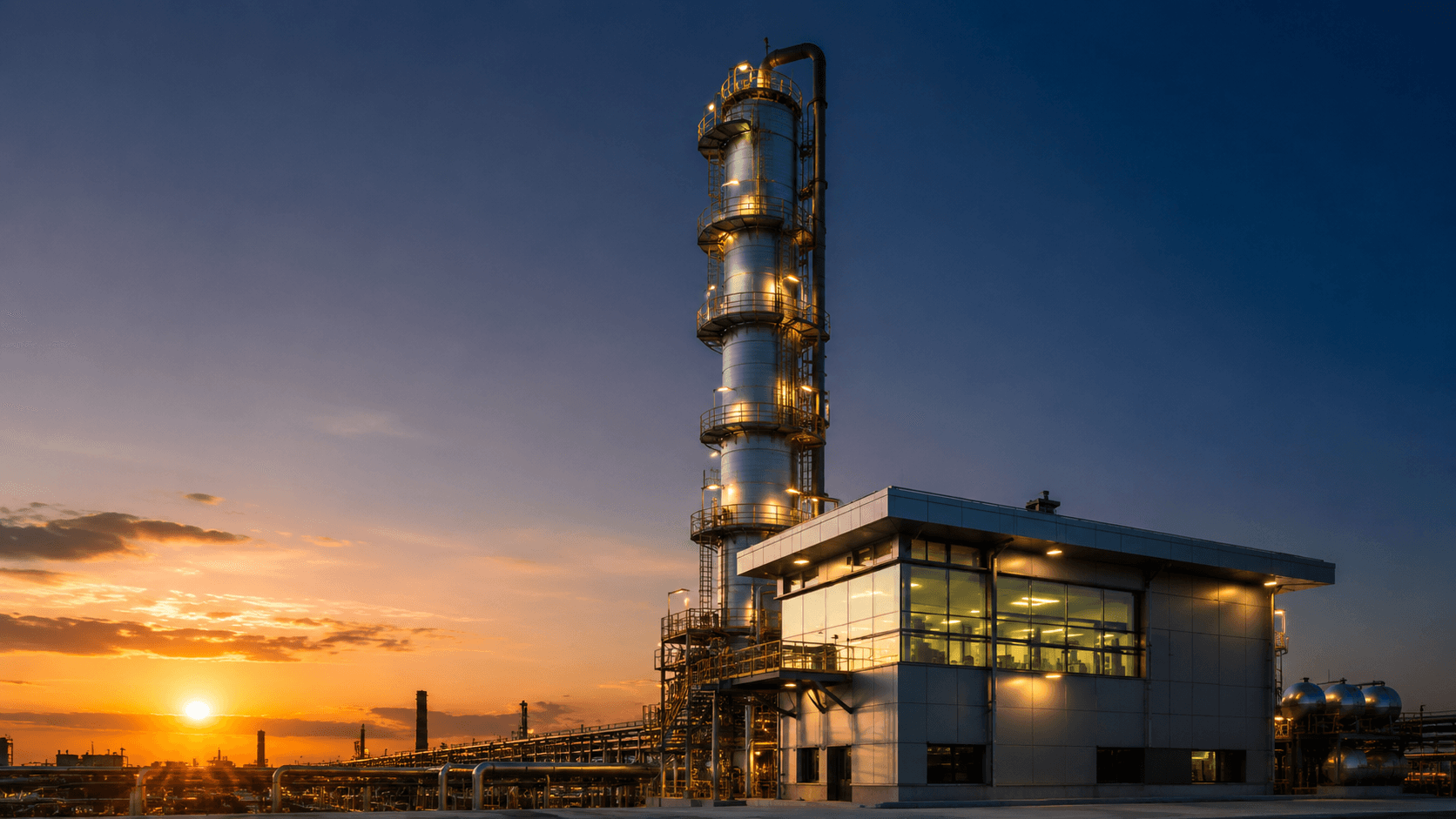
Traditional multi‑effect distillation can reclaim 70‑80 % of spent NMP, but it is energy‑intensive. Recent advances in heat‑integrated designs have cut specific energy consumption by 25 %.
Adsorption & Membrane Separation
Selective adsorbents (e.g., activated carbon functionalized with amidine groups) capture water and metal traces, allowing the solvent to be re‑purified to battery grade. Membrane pervaporation offers a lower‑temperature alternative, achieving 85 % recovery with minimal degradation.
Combined, these systems can reduce fresh NMP demand by up to 80 %, translating into lower operating costs and a smaller carbon footprint.
Implications for Cathode Sourcing
When a battery manufacturer issues a request for cathodes, the underlying supply chain is effectively a request for NMP. The solvent’s availability, price, and purity dictate:
- Coating line uptime – any NMP shortage forces line shutdowns.
- Yield – higher impurity levels raise scrap rates.
- Cost structure – solvent make‑up can represent 5‑8 % of total cell cost.
Therefore, strategic sourcing of NMP is now a core competency for LIB manufacturers, not a peripheral chemical purchase.
Future Outlook: 2025‑2026 and Beyond
By 2025 the global demand for battery‑grade NMP is projected to exceed 1.2 million tonnes per annum, driven by >1 TWh of new EV battery capacity. Anticipated trends include:
- Regional diversification – new NMP plants in Europe (e.g., BASF’s Rheinland site) aim to reduce reliance on China.
- Closed‑loop manufacturing – OEMs integrating solvent recovery within the cell‑production line to achieve near‑zero fresh‑solvent consumption.
- Regulatory pressure – tighter emissions standards on volatile organic compounds (VOCs) will favor recovery over venting.
Companies that secure stable, high‑purity NMP supplies and invest in recovery technology will gain a decisive competitive edge in the fast‑moving EV market.
Key Takeaways
- NMP is the only practical solvent for dissolving PVDF in cathode slurry.
- Battery‑grade purity (<50 ppm water, ultra‑low metals) is essential to avoid coating defects.
- China dominates production, but the market is bifurcating into industrial and battery grades.
- Offtake contracts and solvent‑recovery systems are now standard practice for gigafactories.
- Effective NMP management directly impacts cell yield, cost, and environmental footprint.