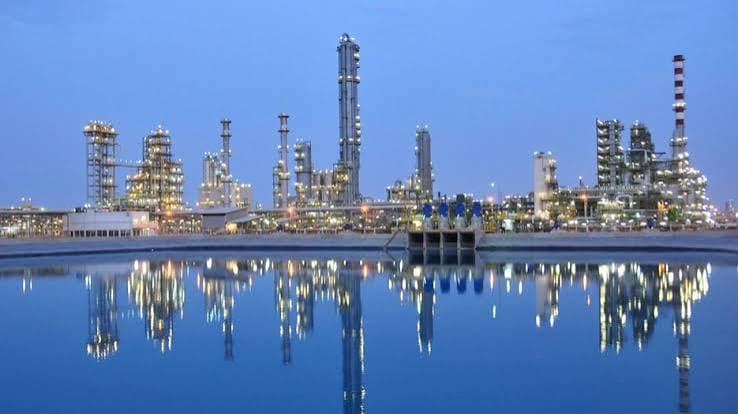
Germany closes the first half of 2026 confronting one of the most challenging operating environments its chemical industry has experienced since the global financial crisis. Rising energy costs, feedstock disruption, slowing industrial demand and persistent geopolitical uncertainty have combined to place unprecedented pressure on Europe's largest chemical manufacturing economy.
For procurement professionals, Germany remains indispensable to global supply chains. Home to world-leading specialty chemical manufacturers, advanced materials producers and pharmaceutical suppliers, the country continues serving industries ranging from automotive and construction to healthcare and electronics. However, H1 2026 has demonstrated that even Germany's highly diversified chemical sector is not immune to structural economic headwinds.
Germany Sits at the Centre of Europe's Chemical Industry
Germany has long been recognised as the manufacturing engine of Europe's chemical sector.
Global companies including BASF, Evonik, Lanxess and Bayer CropScience operate extensive production networks that supply thousands of industrial customers worldwide.
These companies manufacture a broad portfolio including:
Specialty chemicals for industrial manufacturing.
Performance materials and engineering plastics.
Crop protection products and agricultural chemicals.
Pharmaceutical intermediates.
High-performance coatings, additives and catalysts.
The scale and technical sophistication of Germany's chemical industry mean that any change in domestic operating conditions quickly influences international supply chains.
Energy Costs Continue to Challenge Competitiveness
The Hormuz-related energy shock added significant pressure to an industry already facing elevated operating costs.
Natural gas and electricity remain fundamental inputs for chemical manufacturing, making German producers particularly sensitive to sustained increases in energy prices.
Several consequences have become increasingly visible:
Higher production costs across energy-intensive chemical processes.
Reduced manufacturing margins.
Lower international price competitiveness.
Increased pressure on investment decisions.
Although crude oil prices have moderated entering H2, energy costs remain substantially higher than those enjoyed by many competing producers in North America and Asia.
Weak Domestic Demand Adds to Industry Pressure
Germany's challenges extend beyond production costs.
Several of the country's largest customer industries continue experiencing subdued demand.
Construction activity has remained weaker than expected, reducing consumption of coatings, polymers, insulation materials and construction chemicals.
At the same time, slower automotive production has affected demand for engineering plastics, performance chemicals and specialty materials used throughout vehicle manufacturing.
Together, these market conditions have limited opportunities for producers to offset higher manufacturing costs through stronger domestic sales.
Recession Risk Extends Beyond Individual Companies
Economic assessments during H1 identified Germany among the European economies facing elevated recession risk as a result of the broader energy shock.
For the chemical industry, this creates concerns extending well beyond short-term profitability.
Companies increasingly face decisions regarding:
Production capacity utilisation.
Future investment programmes.
Workforce planning.
Long-term manufacturing competitiveness.
These strategic considerations influence not only financial performance but also the future structure of European chemical manufacturing.
Surcharges Reflect Rising Operating Costs
Many European chemical and steel manufacturers have introduced temporary surcharges to offset significantly higher electricity and feedstock expenses.
In some cases, these additional charges have reportedly reached 30 percent, illustrating the scale of cost pressure facing industrial producers.
For buyers, these surcharges highlight an important market reality.
Price increases are no longer driven solely by commodity fluctuations but increasingly reflect structural manufacturing costs that remain difficult to reverse quickly.
Procurement teams should therefore distinguish between temporary raw material movements and longer-term changes in production economics.
The VCI Half-Year Review Will Be Closely Watched
The forthcoming half-year review from Germany's chemical industry association, the VCI, is expected to provide one of the clearest assessments of the sector's current condition.
Beyond headline production figures, buyers should pay close attention to broader indicators of industry health.
Key areas to monitor include:
Production volume trends across commodity and specialty chemicals.
Capacity utilisation rates.
Employment levels throughout the chemical industry.
Export performance.
Business confidence and investment outlook.
Together, these indicators will provide a clearer picture of whether the industry's challenges remain cyclical or are becoming increasingly structural.
Why Specialty Chemical Buyers Should Pay Attention
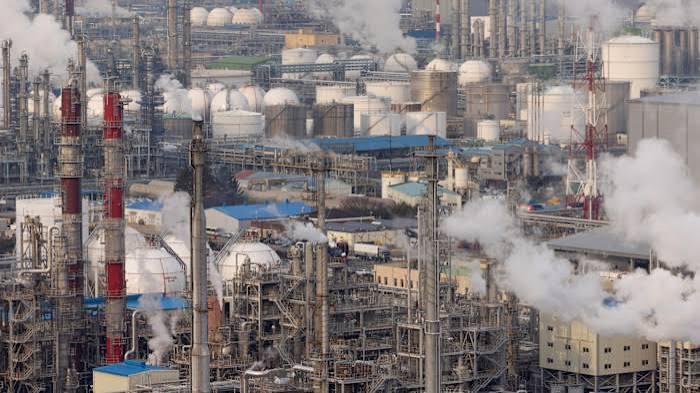
Germany remains one of the world's leading suppliers of high-value specialty chemicals.
Unlike commodity products, specialty materials often require long qualification periods, technical collaboration and highly integrated customer relationships.
For buyers, supplier financial health has therefore become an increasingly important procurement consideration.
Priority evaluation areas include:
Manufacturing continuity.
Capacity investment plans.
Financial resilience.
Supply chain reliability.
Long-term research and development capability.
Companies that maintain strong financial positions are generally better equipped to preserve production quality, invest in innovation and fulfil long-term contractual commitments.
Structural Competitiveness Remains the Core Challenge
Lower crude oil prices entering H2 provide some welcome relief, but they do not resolve Germany's broader competitiveness issues.
Several structural pressures continue affecting the industry:
Energy costs remain significantly higher than in many competing manufacturing regions.
Regulatory compliance requirements continue expanding.
International competition from Asia, the Middle East and North America remains intense.
Domestic demand from construction and automotive sectors has yet to recover meaningfully.
These challenges extend well beyond the immediate effects of the Hormuz disruption and will continue influencing strategic business decisions throughout H2 and beyond.
Procurement Strategy Should Extend Beyond Price
For international buyers, the current environment reinforces the importance of evaluating suppliers using broader criteria than product pricing alone.
Recommended actions include:
Review supplier financial performance alongside operational capability.
Monitor production announcements and capacity utilisation.
Maintain diversified sourcing across multiple regions where practical.
Confirm long-term supply commitments with strategic partners.
Assess total procurement risk, including logistics, energy costs and market demand.
This broader approach helps reduce supply chain exposure while supporting more resilient purchasing decisions.
Looking Ahead to H2 2026
Germany's chemical industry enters the second half of 2026 facing a combination of cyclical market weakness and long-term structural challenges. While easing crude oil prices should provide some relief to feedstock costs, they are unlikely to offset the broader pressures created by elevated energy prices, weaker industrial demand and intense international competition.
The upcoming VCI half-year review will therefore serve as an important benchmark for evaluating the financial and operational health of Europe's largest chemical manufacturing economy. Production volumes, employment trends and business confidence will provide valuable insight into how companies are adapting to one of the most demanding operating environments in recent decades.
For procurement professionals, the central lesson from H1 is that supplier resilience has become just as important as pricing. Companies sourcing German specialty chemicals should monitor both market conditions and supplier performance closely while maintaining diversified procurement strategies that balance quality, reliability and long-term supply security.
Ready to source specialty chemicals from verified global suppliers? Explore competitive offers on our platform today.
Titanium Dioxide CAS: 13463-67-7