
India’s Post‑Hormuz Crude Diversification Strategy
Following the 2023 Hormuz crisis, India’s oil import basket has expanded beyond traditional partners. The country now seeks alternative sources to buffer against geopolitical shocks and secure a stable feedstock for its growing petrochemical sector. ONGC, the state‑owned oil giant, is at the forefront of this pivot, actively assessing Venezuelan crude as a viable option.
Why Venezuela?
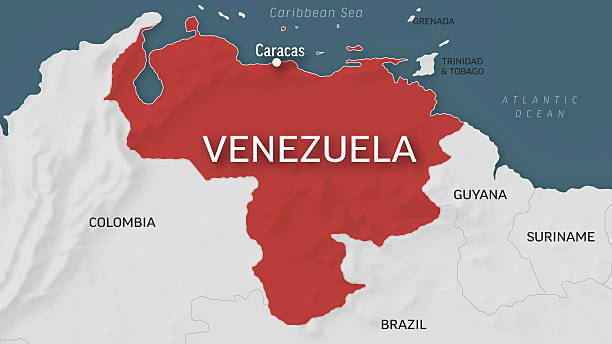
High Sulphur Crude – Provides a cost‑effective base for certain refining streams.
Established Production Capacity – Venezuela’s oil output, though underutilized, offers a long‑term supply window.
Strategic Alignment – Aligns with India’s aim to diversify away from the Middle East and Southeast Asian suppliers.
ONGC’s Feedstock Restructuring Plans
ONGC’s strategy involves a multi‑tiered approach: sourcing from Venezuela, enhancing refinery throughput, and integrating advanced conversion technologies. The company’s long‑term contracts are designed to lock in prices and mitigate volatility.
Refinery Upgrades and Conversion
Upgrade existing units to handle higher sulphur content.
Implement hydrodesulphurisation units to meet product quality.
Deploy catalytic cracking to boost aromatic yields for petrochemicals.
Impact on the 2026 India Chemical Market
The 2026 projection for the Indian chemical market anticipates a 12% CAGR, driven largely by petrochemicals. Stable feedstock sourcing is critical; any disruption could ripple through pricing and supply chains.
Key Market Drivers
Rising demand for plastics and synthetic fibers.

Government push for self‑reliance in petrochemical production.
Increasing global supply chain resilience requirements.
Challenges and Risks
While Venezuela offers strategic advantages, there are notable risks: political instability, sanctions, and infrastructure constraints. ONGC’s risk mitigation framework includes diversified sourcing, hedging strategies, and close monitoring of geopolitical developments.
Mitigation Strategies
Multi‑source procurement to avoid single‑point failures.
Strategic reserves to buffer short‑term supply gaps.
Collaborations with international logistics partners for efficient delivery.
Future Outlook
If ONGC successfully integrates Venezuelan crude into its supply chain, it could set a precedent for other Indian refineries. This would not only secure feedstock but also reinforce India’s position as a resilient player in the global petrochemical arena.
In conclusion, ONGC’s exploration of Venezuelan oil is a calculated step toward a diversified, stable, and forward‑looking Indian chemical market by 2026.
Fatty Alcohol Ethoxylate - India CAS: 68131-39-5