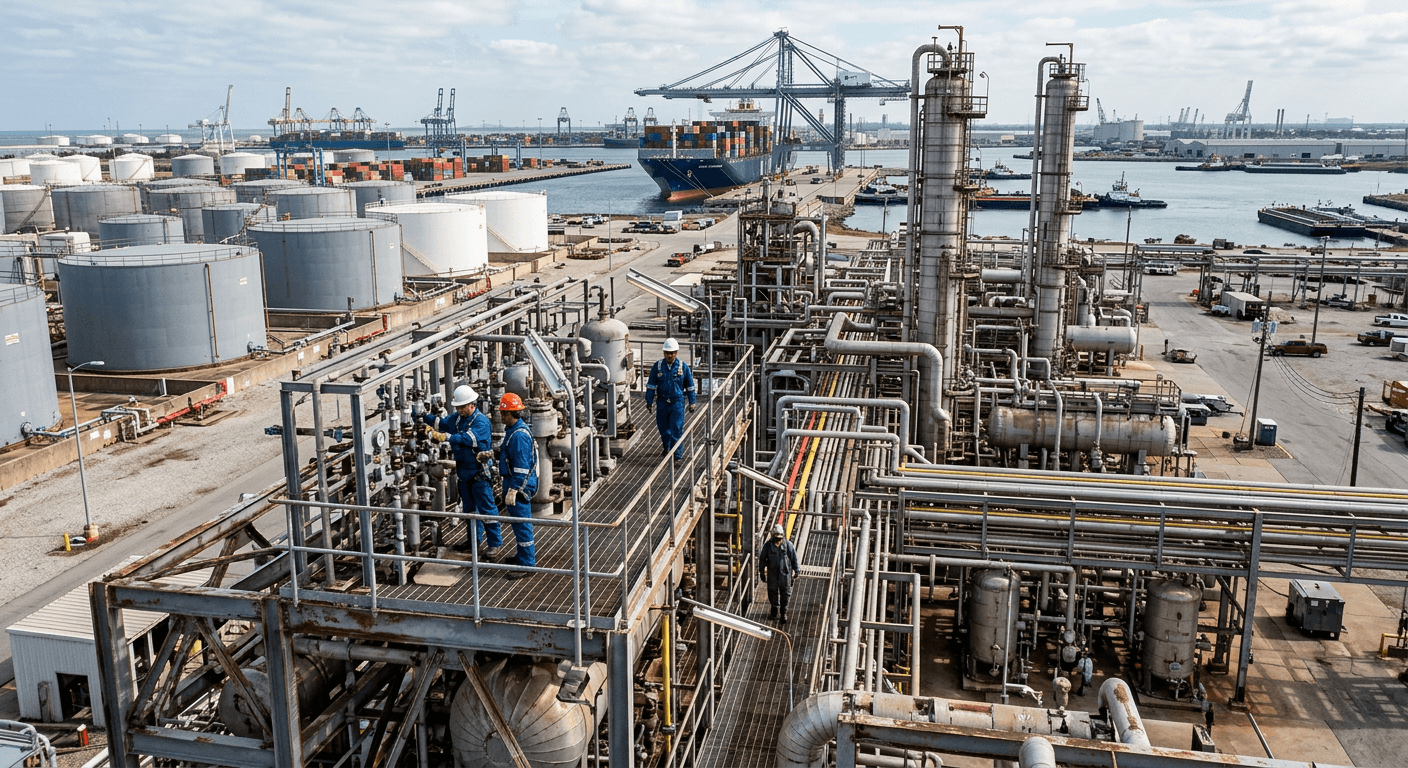
China’s polypropylene market is entering a potential recovery phase as LPG supply routes begin showing signs of improvement after months of disruption. The record 16 million barrel transit through the Strait of Hormuz on June 21 has created expectations that LPG cargo flows from major Gulf suppliers could gradually return, supporting propane dehydrogenation units and PP production.
For procurement managers, the focus has shifted from supply shortage concerns to recovery timing. Polypropylene buyers now need to understand how quickly LPG arrivals can restart PDH operations and when additional PP availability may reach domestic and export markets.
How LPG Recovery Could Support Polypropylene Production
Polypropylene, commonly known as PP, depends heavily on reliable propylene availability. In China, many PDH units convert imported propane into propylene, which then becomes the feedstock for polypropylene production.
The Hormuz-related LPG supply disruption reduced operating rates across several PDH facilities because propane availability became limited. As a result, PP supply tightened and buyers faced increased uncertainty around delivery schedules and pricing.
A recovery in LPG shipments could improve production conditions through several stages:
LPG cargoes must arrive at Chinese ports and clear normal logistics procedures.
PDH operators need to rebuild feedstock availability before increasing production rates.
Higher propylene output must translate into improved polypropylene availability.
This process means market recovery will likely happen gradually rather than immediately.
Expected Timeline for China’s PP Supply Recovery
Based on shipping lead times, LPG cargoes from suppliers such as Qatar and the UAE could begin reaching Chinese ports by early July if Hormuz traffic remains stable.
The first impact may appear through improved PDH operating rates rather than a sudden increase in finished polypropylene supply.
Procurement teams should monitor:
LPG vessel movements into China.
PDH plant restart activity.
Domestic polypropylene inventory levels.
Spot PP pricing trends across major Chinese markets.
A steady improvement during July could create better supply conditions heading into August and September.
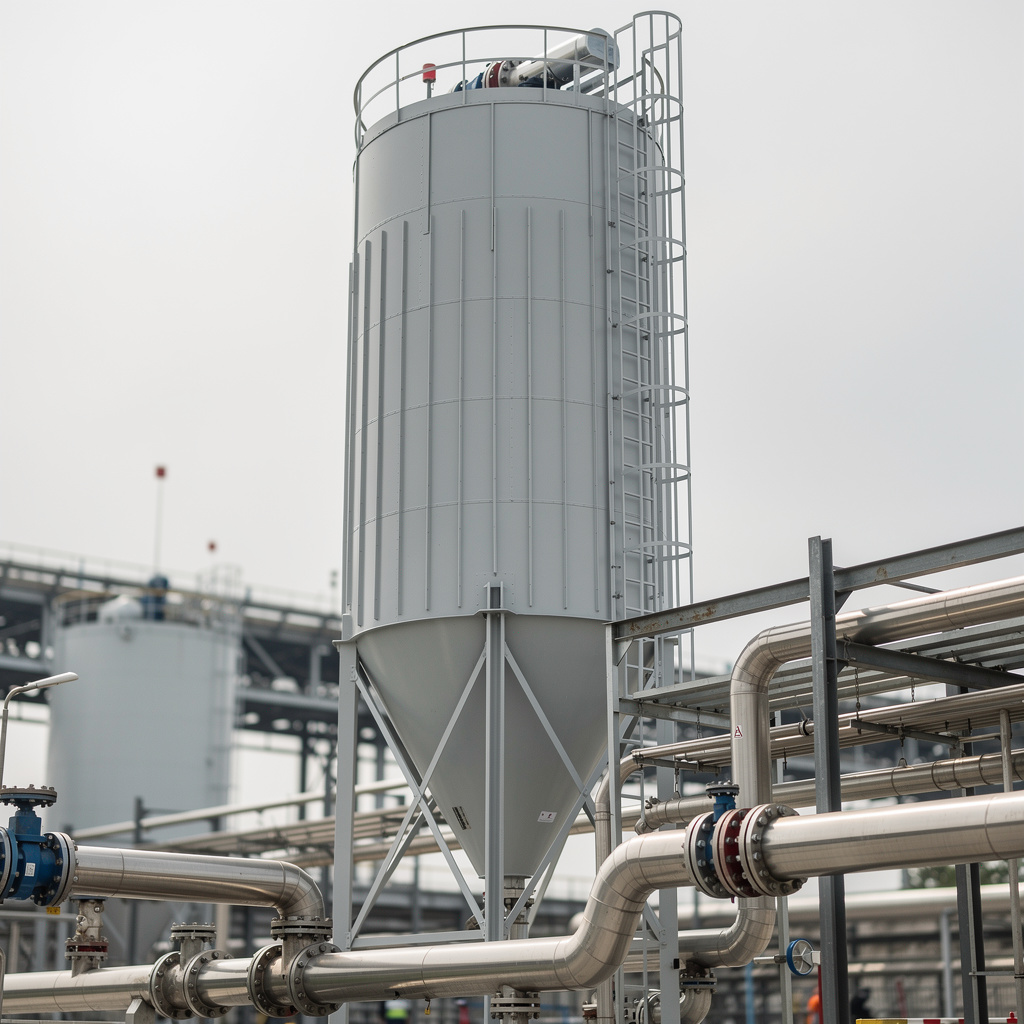
China’s PDH Industry and Its Role in Global Polypropylene Supply
China has expanded its PDH capacity over recent years, making imported propane an increasingly important part of the polypropylene supply chain.
When LPG availability declines, PDH units face direct pressure because their production economics depend on stable and affordable propane supply. Reduced operating rates can quickly affect propylene availability and downstream PP production.
The recovery of LPG flows could provide relief for:
Domestic PP producers managing lower operating rates.
Converters relying on stable resin supply.
Traders balancing regional inventory positions.
However, production recovery will also depend on margins, demand conditions and whether operators choose to maximize output.
Polypropylene Market Outlook for July to September 2026
The third quarter of 2026 will likely become a key period for assessing whether PP supply conditions normalize.
Several market factors will influence the direction of prices and availability:
Increased LPG arrivals could support higher PDH production.
Strong downstream demand from packaging, automotive and consumer goods industries could absorb additional supply.
Improved supply visibility may reduce urgency buying from some distributors.
Regional trade flows may adjust as China’s domestic availability improves.
Buyers should avoid assuming that higher production automatically creates lower prices. Feedstock costs, inventory levels and regional demand will continue shaping the market.
India Polypropylene Buyers and the Duty Waiver Opportunity
Indian PP buyers currently have an important procurement window due to temporary duty relief measures. Even if polypropylene prices begin easing modestly, the import cost advantage from reduced duties remains significant.
For many buyers, the duty saving can represent approximately 5% to 7.5% of CIF value, making import opportunities attractive before the June 30 deadline.
Indian procurement teams should evaluate import volumes carefully before the waiver period closes.
Key considerations include:
Confirming supplier availability and shipment timing.
Comparing imported PP costs with domestic market offers.
Assessing inventory needs for July and August consumption.
Avoiding last-minute logistics pressure before the deadline.
The current window may offer cost benefits even if market prices begin to soften.
Key Risks That Could Affect PP Supply Recovery
Although the supply outlook has improved, several risks remain for polypropylene buyers.
The main risks include:
Renewed shipping disruptions affecting LPG movement.
Delays at destination ports.
Slower than expected PDH restart activity.
Changes in regional demand patterns.
Procurement managers should continue tracking physical supply signals rather than relying only on market sentiment.
Procurement Strategy for Polypropylene Buyers in 2026
A flexible sourcing approach will help buyers manage the transition from shortage conditions toward possible supply recovery.
Recommended actions include:
Secure essential volumes while availability remains uncertain.
Compare regional supplier offers before committing to long-term purchases.
Monitor Chinese PP production trends as a global market indicator.
Balance inventory levels with expected July to September demand.
Companies that maintain multiple sourcing options can respond faster as market conditions change.
The Bottom Line for Polypropylene Procurement Teams
The recovery of LPG flows through the Strait of Hormuz could become a turning point for polypropylene supply conditions. If cargo movements continue and China’s PDH units restart gradually, the market may see improved PP availability during the third quarter of 2026.
For buyers, the priority is timing. Indian importers should evaluate remaining duty benefits, while global procurement teams should track supply recovery signals closely. A disciplined approach to sourcing, compliance and inventory planning will remain essential as the PP market moves into a new phase. Ready to source Polypropylene from verified global suppliers? Explore competitive offers on our platform today.
High Density Polyethylene (HDPE) CAS: 9002-88-4